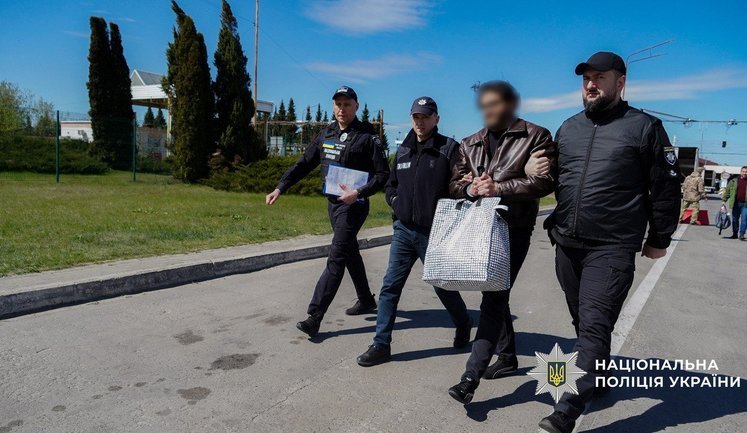
The process of extradition between Ukraine and other nations remains complex and multifaceted. Recent developments highlight challenges faced in extraditing key figures such as Timur Mindich, whose case is complicated by dual citizenship and international legal nuances. Despite corrected flaws in documentation, there remain delays in securing signatures and approvals, reflecting larger systemic issues within international extradition protocols. Furthermore, the British judiciary's stance on MP Artem Dmytruk's case underscores human rights considerations affecting extradition decisions. Extradition remains a contentious but necessary tool in curbing transnational criminal activity, as countries like Germany and Poland weigh legal, political, and ethical factors in their deliberations.
What are the main complications in Mindich's extradition?
Mindich's case is hampered by his Israeli citizenship and legal defenses rooted in international law and martial law provisions. These factors, compounded by administrative delays, pose significant hurdles in process completion.
Why was the extradition request for Dmytruk rejected?
The British court rejected Dmytruk's extradition citing Article 8 of the European Convention on Human Rights, indicating that his extradition could violate his rights to respect for private and family life, highlighting the human rights aspect in such cases.
How does international law affect extradition proceedings?
International law plays a critical role as it governs extradition treaties and protocols between countries. Legal defenses leveraging international human rights laws can impact the viability of extradition requests significantly.
Can martial law be used as a defense against extradition?
In some cases, individuals may claim martial law as a defense against extradition, arguing instability justifies their stay abroad. This claim relies heavily on the interpretations and legal standings of the respective courts.
What are the implications of rejected extradition requests?
Rejected extradition requests can strain diplomatic relations, impact judicial cooperation, and challenge efforts to bring fugitives to justice. These outcomes necessitate reassessment of legal strategies and diplomatic channels.
How does dual citizenship affect extradition?
Dual citizenship can complicate extradition processes as individuals may leverage their citizenship status to evade legal proceedings, complicating the jurisdictional authority and cooperation requirements between involved nations.
What are the roles of national and international courts in extradition?
National courts assess the legality and implications of extradition requests based on domestic law, while international courts or human rights bodies may provide broader judicial interpretations affecting compliance and human rights concerns.
How do political relationships influence extradition?
Political relationships significantly influence extradition processes, with countries considering diplomatic ties, political impact, and customary international law before making extradition decisions, especially in politically sensitive cases.