The recent advancements in Ukraine's strategic partnerships and negotiations through various memorandums are making waves globally. The "Enhanced Partnership" status with the Combined Joint Task Force sets a precedent being the first of its kind. With the Netherlands, Ukraine is diving into technology with a memorandum on joint drone production. Meanwhile, tensions rise as the Russian ceasefire memorandum is criticized for being laden with ultimatums, underlining Russia's complex stance on peace talks as noted by EU and Ukrainian officials. These dynamics highlight the strategic importance of memorandums in shaping international military alliances and in maneuvering through diplomatic relations during an ongoing conflict.
What is the "Enhanced Partnership" status granted to Ukraine?
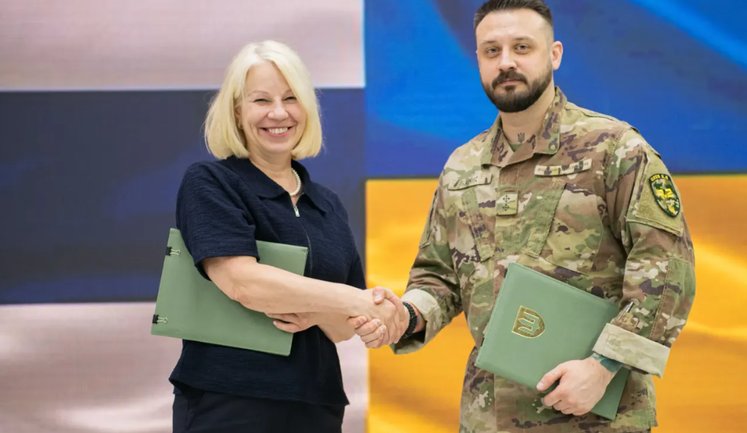
Ukraine’s "Enhanced Partnership" status with the Combined Joint Task Force marks a pivotal development, allowing Ukraine to collaborate more closely with alliance members on military initiatives. This status is unprecedented for a non-member nation, highlighting Ukraine's growing strategic importance.
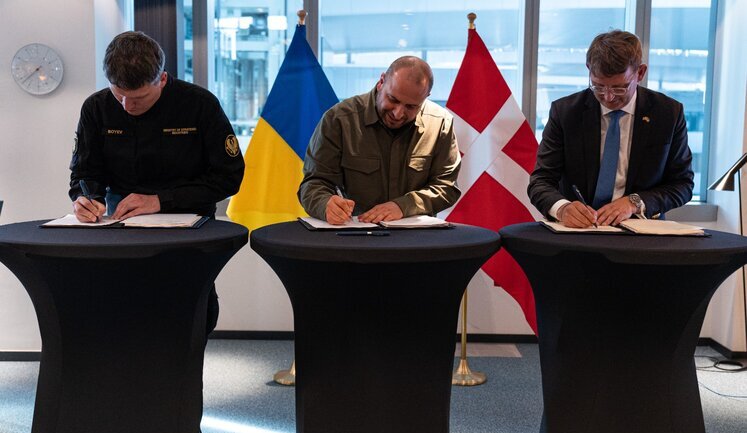
What did the Ukraine-Netherlands memorandum on drones entail?
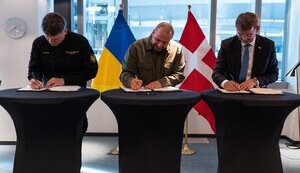
The memorandum between Ukraine and the Netherlands aims to boost collaborative efforts in drone production. This partnership focuses on technological advancement and strengthens defense capabilities, indicating a strategic move to modernize military assets through international cooperation.
What are the criticisms of the Russian peace memorandum?
The Russian "peace memorandum" has been criticized for its ultimatum nature, with overt demands considered unrealistic by Ukraine and the EU. This approach indicates Russia’s reluctance to genuinely engage in productive peace negotiations, further straining the diplomatic dialogue.
How does the European Commission view Russia's memorandum proposals?
The European Commission views Russia’s proposals in the "peace memorandum" as a sign of refusal to conduct authentic peace talks. This stance is perceived as aggressive and contradictory to the objectives of achieving a ceasefire, complicating the diplomatic landscape.
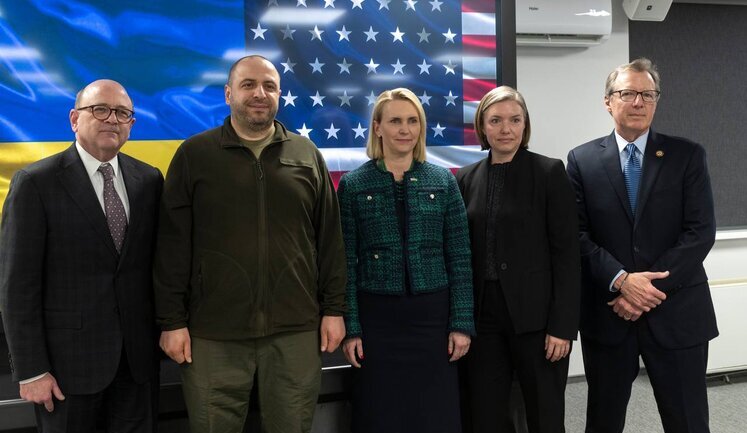
What significance does the US see in its memorandum with Ukraine?
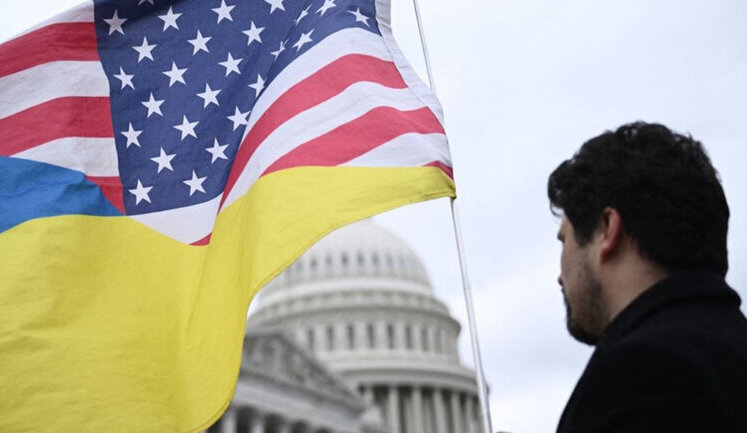
The US memorandum with Ukraine hinges on obligations from the 1994 Budapest Memorandum, tying new economic agreements to past commitments. This highlights the enduring impact of historical agreements on current international relations and Ukraine's strategic economic framework.