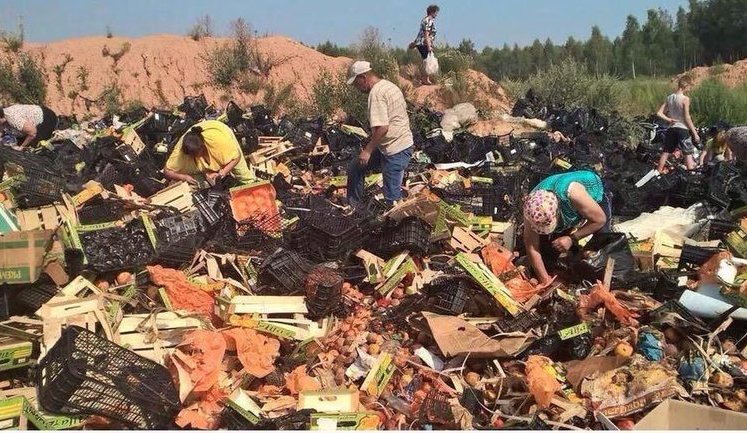
The issue of provisions has been in the spotlight with ongoing conflicts and political discussions affecting global food security. A video dialogue with Commander Maksimov highlighted the plight of Ukrainian soldiers who were left without basic provisions. On an international scale, discussions between President Zelenskyy and global leaders like Syrian President al-Sharaa emphasize Ukraine's pivotal role as a food supplier amidst ongoing geopolitical conflict. Further complicating matters, bureaucratic challenges within the Defense Procurement Agency reflect systemic issues impacting food supply integrity. With diminished food production in regions like Russia for the first time in over a decade, these developments underscore the interconnected nature of food security and geopolitical stability. Together, these narratives highlight pressing concerns and collaborative efforts required to ensure stable provisions worldwide.
How is the conflict in Ukraine affecting food provisions?
The conflict in Ukraine has disrupted food supply chains, affecting regions dependent on Ukrainian exports. Blockades and military actions have complicated logistics, leading to food shortages in certain areas. Efforts are ongoing to facilitate alternative routes and international cooperation to stabilize supplies.
Why are provisions crucial in geopolitical discussions?
Provisions are central to geopolitical discussions as they impact national security, economic stability, and humanitarian needs. Countries dependent on imports must navigate political alliances and conflicts to ensure food security, making provisions a key element in diplomatic relations.
What role does Ukraine play in global food security?
Ukraine is a significant agricultural producer, contributing to global grain markets. Its strategic position and production capacity make it vital for food security, particularly in regions facing shortages. Initiatives like Grain from Ukraine aim to mitigate crises and support vulnerable nations.
How are international collaborations tackling food provision challenges?
International collaborations focus on facilitating trade, ensuring access to food routes, and providing financial and logistical support. Organizations and countries coordinate efforts to maintain stable flows of provisions and address bottlenecks caused by political and environmental factors.
What are the long-term implications of disrupted provisions in conflict zones?
Disrupted provisions in conflict zones lead to humanitarian crises, economic destabilization, and long-term food insecurity. They exacerbate poverty and migration issues while impacting global markets. Long-term resilience requires robust infrastructure, diversified supply chains, and diplomatic resolutions.