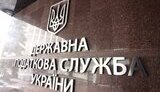
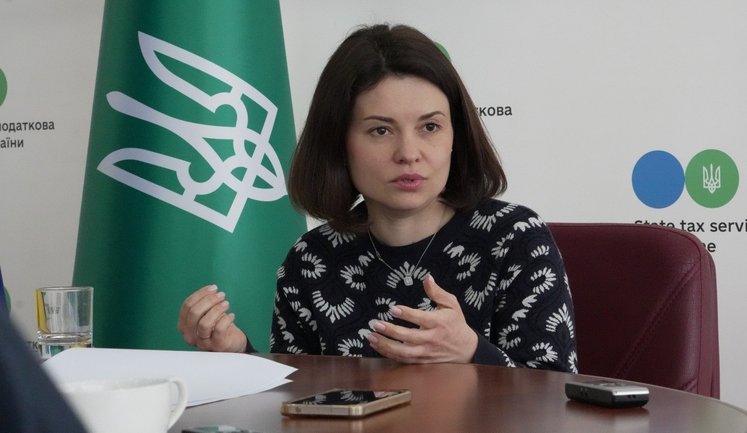
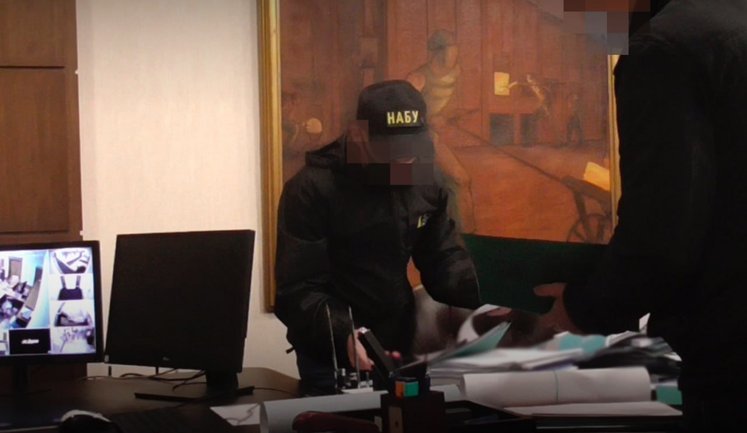
The State Tax Service in Ukraine has recently been embroiled in multiple scandals highlighting issues of corruption and misconduct. Notable incidents include two officials from the Sumy region who allegedly extorted UAH 80,000 from a local entrepreneur. Additionally, the National Anti-Corruption Bureau of Ukraine (NABU) conducted a series of searches in various State Tax Service offices uncovering potential corruption schemes. In another case, former leadership was linked to a massive conversion center with a turnover of UAH 15 billion. Meanwhile, the unified tax revenue saw an increase of 13% compared to the previous year, even as other scandals continue to surface, such as illegal tobacco import operations without proper excise compliance. These events underscore ongoing challenges within the State Tax Service amid calls for reform.
What are the main issues facing the State Tax Service in Ukraine?
The State Tax Service in Ukraine faces several issues such as corruption, extortion, and facilitating illegal activities. High-profile instances include officials demanding bribes and involvement in large-scale fraud schemes. Investigations by NABU have uncovered systemic corruption, leading to increased scrutiny and demands for transparency within the organization.
How has the State Tax Service been involved in financial scandals?
The State Tax Service has been implicated in numerous scandals, including bribery demands from entrepreneurs and participation in vast conversion schemes. Former officials have been found complicit in aiding illegal financial activities, tarnishing the agency's reputation and intensifying calls for accountability and structural reforms.
What actions are being taken against corruption in the State Tax Service?
Authorities, including NABU and other law enforcement agencies, have been actively conducting investigations and raids on State Tax Service offices to combat corruption. High-ranking officials have been detained, and ongoing investigations promise further action against unethical practices within the agency, aiming to restore integrity and confidence in the system.
How do recent scandals impact State Tax Service operations?
Recent scandals have severely impacted the operations of the State Tax Service. Corruption allegations have led to increased scrutiny, undermining public trust and disrupting operational efficiency. Efforts to reform and enhance transparency are underway, though challenges remain in rebuilding the agency's credibility and effectiveness in tax collection.
Are there any positive developments within the State Tax Service?
Despite the scandals, there have been positive developments, such as an increase in unified tax revenue, which rose by 13% in a recent period. This demonstrates the potential for enhanced revenue collection and administrative capacity improvements, notwithstanding the pervasive issues that still need to be addressed within the agency.