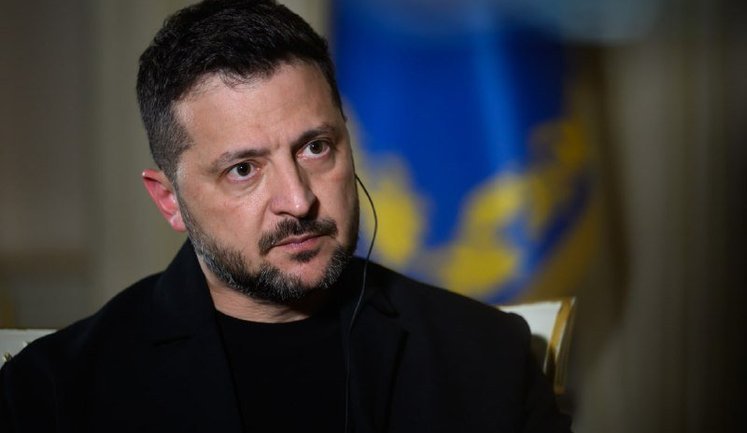
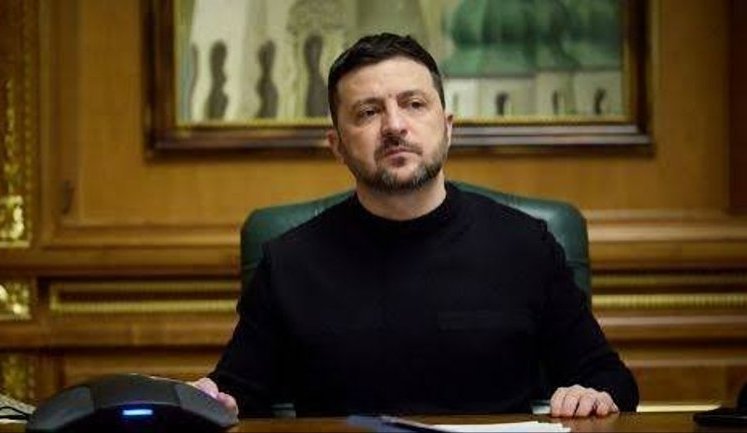
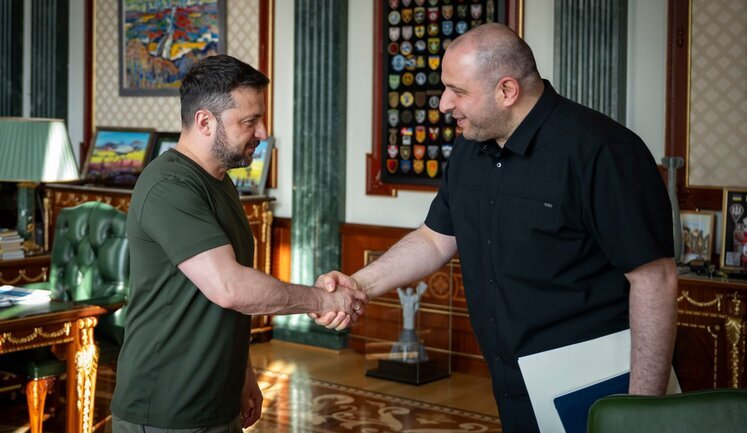
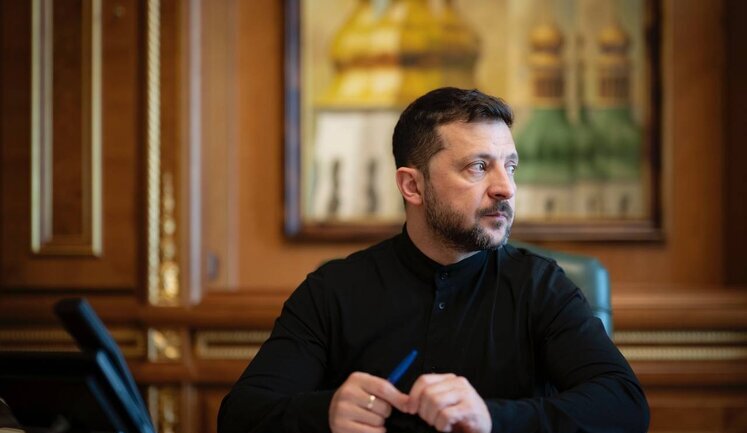
The ceasefire issue remains a contentious topic as Ukraine and Russia navigate complex relations amidst global condemnation of Russia's actions. Ukraine, backed by over 50 UN member states, is pushing for Russia to agree to a ceasefire and halt aggression. Both the energy sector and military engagements have seen calls for truce, with US President Trump also playing a role in diplomatic talks. President Zelenskyy's readiness for unconditional ceasefire highlights Ukraine's commitment to peace, yet Russia's hesitations reflect geopolitical challenges. Continuous dialogue and international pressure remain crucial.
What has been Ukraine's stance on a ceasefire with Russia?
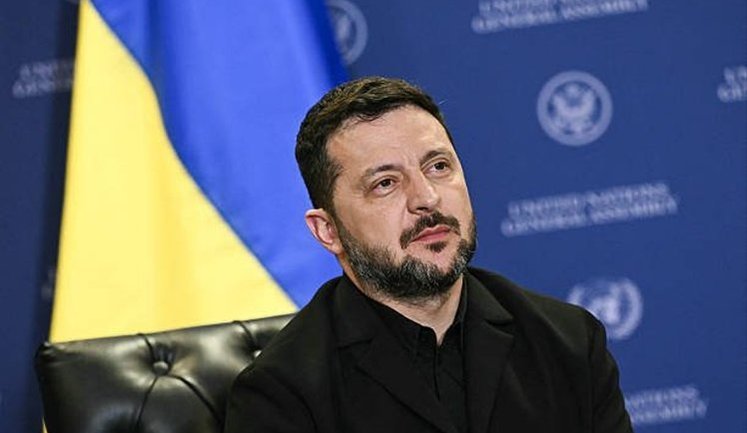
Ukraine has consistently advocated for a ceasefire, aiming for an end to hostilities and a diplomatic resolution. President Zelenskyy emphasized readiness for unconditional ceasefire to begin diplomatic negotiations. This stance reflects Ukraine's desire to halt the devastation of war and transition towards peace, despite Russia's reluctance to reciprocate.
What role does the UN play in the Ukraine-Russia ceasefire negotiations?
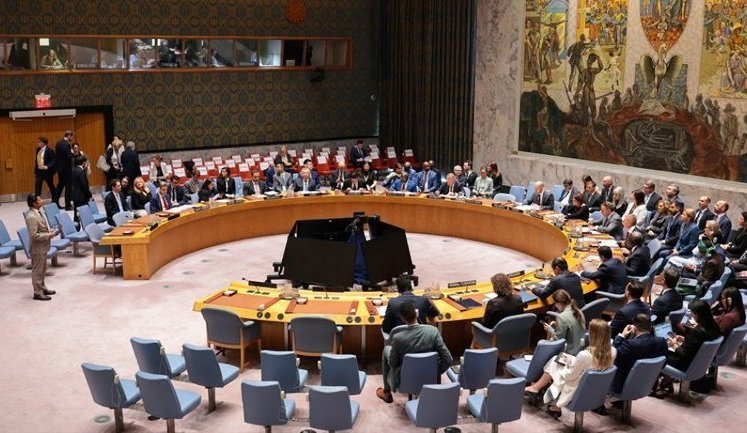
The United Nations, with over 50 member countries, has urged Russia to cease its aggressive actions in Ukraine. The UN's involvement underscores international concern for peace and stabilization. Their appeal aligns with diplomatic efforts to foster dialogue and establish a ceasefire, emphasizing the global community's commitment to resolving the conflict.
How has the US contributed to the ceasefire discussions between Ukraine and Russia?
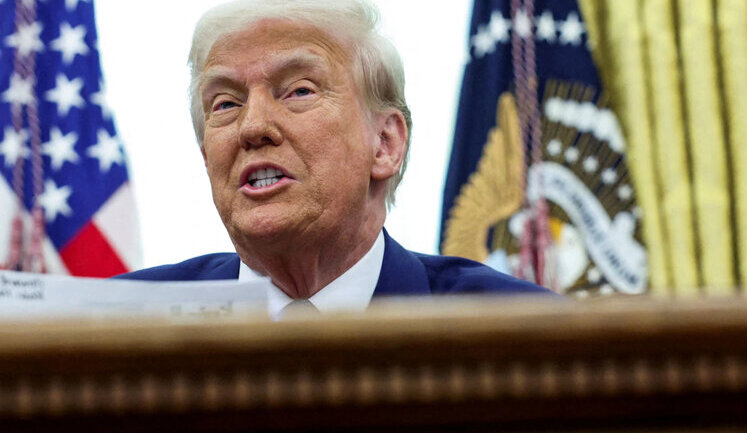
The US, represented by figures like Marco Rubio, has been pivotal in advocating for a ceasefire, especially in the energy sector. Additionally, US President Trump has engaged in diplomatic talks, suggesting that international monitoring could support ceasefire adherence. The US remains a significant player in driving negotiations and upholding international peace efforts.
What are the challenges in achieving a ceasefire between Ukraine and Russia?
The primary challenges lie in Russia's hesitance to cease hostilities and Ukraine's insistence on security guarantees. Attempts at ceasefire are often overshadowed by strategic interests and geopolitical tensions, as seen with Russia's demands and military actions. These factors complicate negotiations, requiring persistent international pressure and diplomatic engagement.
Have there been any successful ceasefire agreements so far?
Temporary ceasefires have been declared, such as a three-day halt in hostilities in May 2026, facilitated by US diplomacy. However, violations by Russian forces have undermined these efforts. Sustainable peace remains elusive, with both sides experiencing ongoing tensions and conflicting military objectives, necessitating further international diplomatic endeavors.
Is there an ongoing diplomatic effort to secure a permanent ceasefire?
Yes, ongoing diplomatic efforts involve Ukraine's proposals for mutual ceasefires, backed by international bodies like the United Nations and influential countries. These efforts aim at achieving long-term peace, with discussions focusing on energy truces and broader diplomatic negotiations. However, lasting agreements require overcoming significant political and military hurdles.