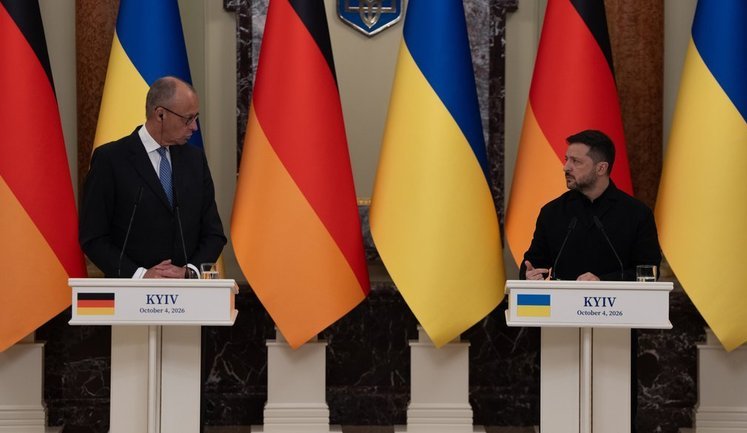
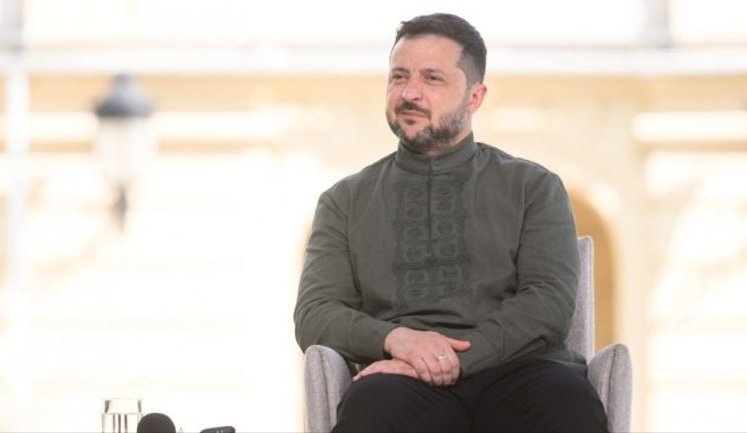
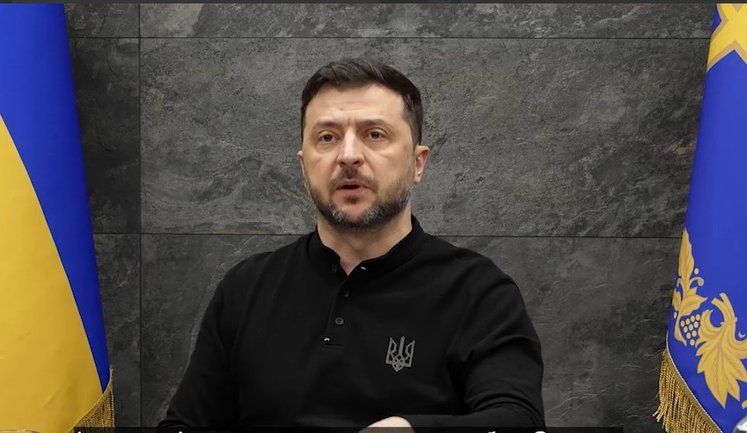
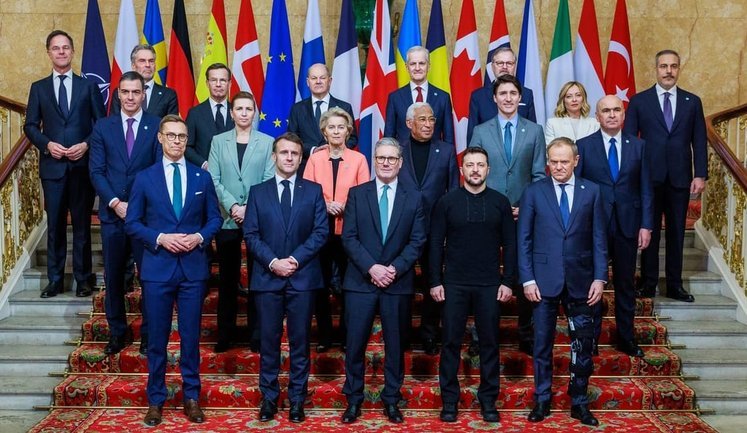
The Coalition of the Willing comprises various countries united to support Ukraine amidst ongoing tensions. Recently, Bulgaria announced its withdrawal from the coalition, signaling diverging perspectives among members. In an effort to bolster security, Ukraine and several European nations have formed an Anti-Ballistic Missile Coalition. This strategic move underscores the coalition's commitment to safeguarding Ukraine's sovereignty and regional stability. Meanwhile, discussions within the coalition continue to emphasize security guarantees, with leaders from over 25 nations, including President Zelenskyy, convening in Paris. These meetings aim to ratify military plans and ensure a comprehensive approach to counteract Russian aggression. Despite differing views, the coalition remains focused on providing long-term security guarantees and military support to Ukraine.
What is the primary goal of the Coalition of the Willing?
The Coalition of the Willing primarily aims to provide military and strategic support to Ukraine in the face of ongoing conflict with Russia. This includes forging security guarantees, enhancing defense capabilities, and ensuring regional stability through coordinated efforts among member nations.
Why did Bulgaria withdraw from the Coalition of the Willing?
Bulgaria's decision to withdraw from the Coalition of the Willing reflects its changing stance on involvement in military and geopolitical commitments related to Ukraine. This may be influenced by domestic political considerations or differing perspectives on the coalition's strategic objectives.
How is the Anti-Ballistic Missile Coalition related to the Coalition of the Willing?
The Anti-Ballistic Missile Coalition is an extension of efforts within the Coalition of the Willing, focusing specifically on countering airborne threats to Ukraine. This initiative showcases an increased level of military collaboration and collective defense strategy among European nations allied with Ukraine.
What security measures has the Coalition of the Willing adopted for Ukraine?
The Coalition of the Willing has developed several security measures, which include military support in air, sea, and land domains, as well as establishing detailed security guarantees. These efforts are designed to strengthen Ukraine's defense capabilities and deter further aggression by Russian forces.
Who participated in the recent Coalition of the Willing meeting in Paris?
The recent Coalition of the Willing meeting in Paris was attended by Ukrainian President Volodymyr Zelenskyy and leaders from over 25 countries. Discussions focused on security guarantees, military strategies, and coordination efforts to address the ongoing conflict and enhance Ukraine's resilience.
What are the future plans of the Coalition of the Willing regarding Ukraine?
Future plans of the Coalition of the Willing include finalizing security guarantees for Ukraine, deploying peacekeeping forces post-conflict, and continuing to provide military aid. The coalition is also focusing on diplomatic efforts and creating sustainable defense mechanisms to support Ukraine's sovereignty.
Why are security guarantees important for Ukraine?
Security guarantees are vital for Ukraine as they are designed to ensure the country's sovereignty and territorial integrity in the face of aggression. These guarantees provide a framework for international support and reassurance that allied nations are committed to Ukraine's defense and regional peace.
How does France contribute to the Coalition of the Willing?
France plays a significant role in the Coalition of the Willing, evidenced by hosting meetings and leading discussions on security initiatives. France's involvement reflects its commitment to supporting Ukraine through diplomatic, military, and logistical measures in collaboration with other coalition members.
What is the significance of the Paris Declaration within the coalition?
The Paris Declaration, adopted by the Coalition of the Willing, underscores the commitment of member countries to provide lasting security guarantees for Ukraine. It outlines strategic military and diplomatic agreements to deter aggression and promote peace in the region post-conflict.