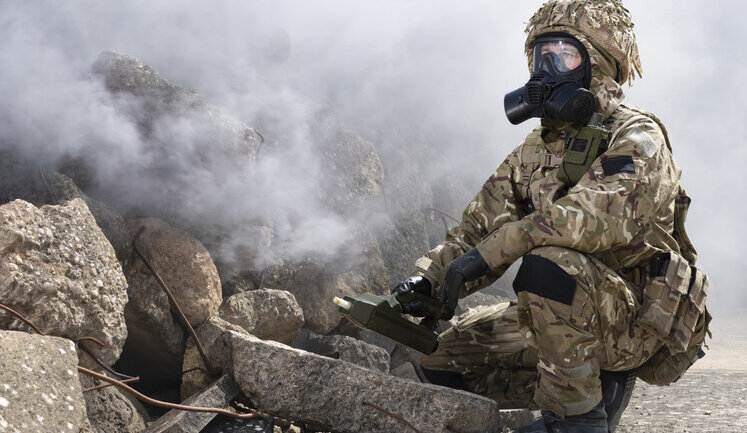
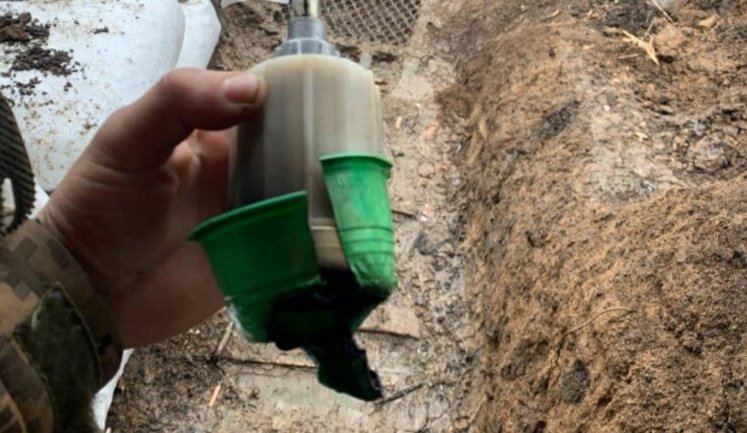
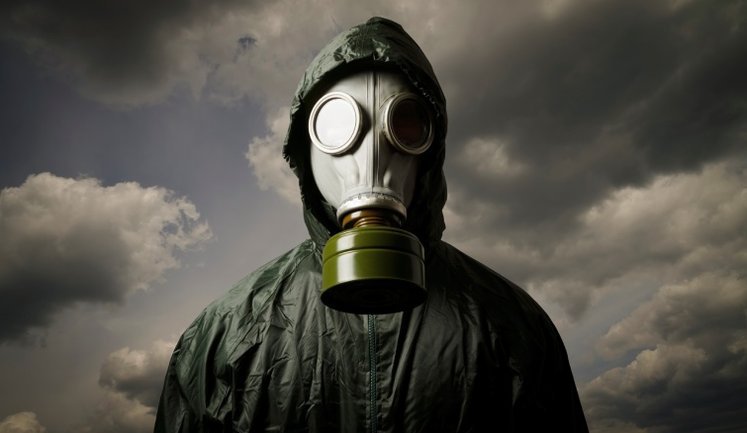
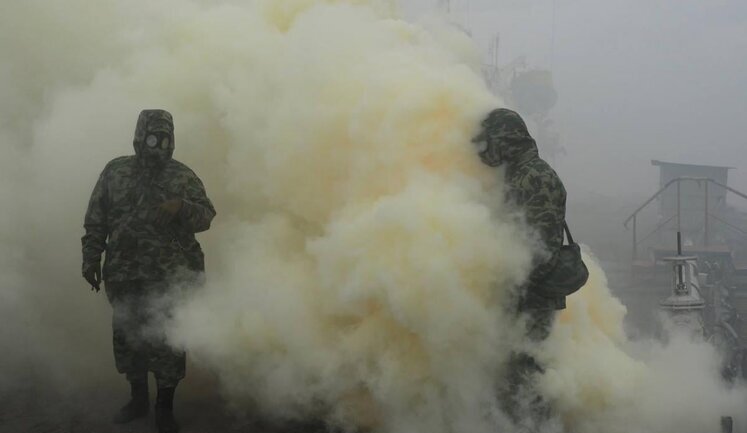
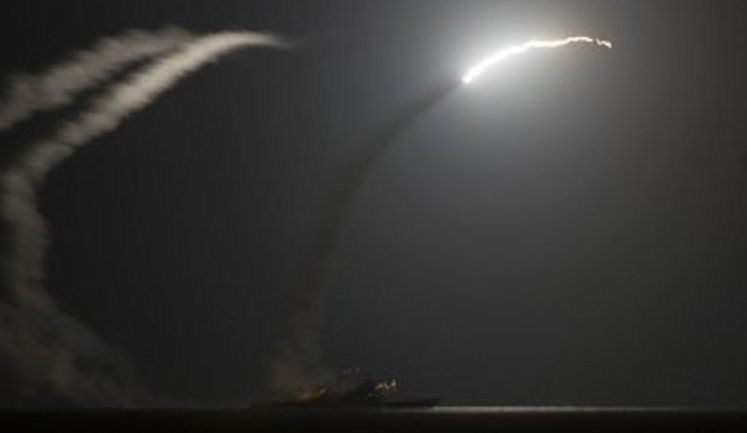
Amid escalating tensions, Ukraine has been elected to the Executive Council of the Organization for the Prohibition of Chemical Weapons, while Russia's application has been rejected for the third time. This coincides with increased reports of Russian forces using banned chemical weapons in Ukraine, which have not only drawn international condemnation but also led to a series of sanctions from the EU and other Western nations. The use of these dangerous chemicals violates the Chemical Weapons Convention, requiring urgent global attention, especially given the strategic targeting of Ukrainian defenders with chemical agents on multiple fronts. Continued use elevates the humanitarian crisis and underscores the importance of strict international oversight and accountability in adherence to global disarmament norms.
What actions have led to sanctions on Russia over chemical weapons?
Russia faces international sanctions due to its repeated use of chemical weapons in Ukraine, violating international laws, particularly the Chemical Weapons Convention. These actions include using hazardous chemical agents against Ukrainian forces and failing to adhere to global disarmament norms, prompting the European Union and countries like the UK to impose restrictions.
How has Ukraine contributed to global chemical weapons regulations?
Ukraine has made significant contributions to the global regulation of chemical weapons by being elected to the Executive Council of the Organization for the Prohibition of Chemical Weapons (OPCW), where it plays a crucial role in shaping policies and ensuring adherence to international standards against chemical warfare, especially amid increasing threats on its own soil.
What evidence exists of chemical weapons use by Russian forces in Ukraine?
Multiple intelligence and military reports confirm the systemic use of chemical weapons by Russian forces against Ukrainian defenders. These reports highlight over 10,000 confirmed chemical attacks involving banned hazardous agents used strategically across various Ukrainian regions, significantly escalating the humanitarian crisis and posing severe risks to public safety.
What has been the international response to Russia's chemical weapons usage?
The international response has been one of strong condemnation and firm action, including the extension of sanctions by the European Union against individuals and entities involved in the chemical attacks. Additionally, organizations like the OPCW and various countries have demanded accountability and strict compliance with the Chemical Weapons Convention to prevent further atrocities.
How are chemical weapons impacting the conflict in Ukraine?
The use of chemical weapons by Russian forces has significantly impacted the conflict in Ukraine by increasing the ferocity and lethality of attacks on Ukrainian defenders. This escalation not only contravenes international laws but also intensifies the humanitarian crisis, complicates diplomatic resolutions, and necessitates stronger international interventions and sanctions to combat the violation of global norms.
Are there specific areas in Ukraine more affected by chemical weapons attacks?
Several regions in Ukraine, particularly the southern and eastern front lines, have experienced intensified chemical weapon attacks by Russian forces. Frequent reports from areas like Bakhmut, Zaporizhzhia, and the broader frontline indicate systematic use of munitions laced with toxic agents, causing significant challenges for Ukrainian defense strategies and civilian safety.
What preventative measures are international bodies taking against chemical weapon proliferation?
International bodies like the OPCW are actively working to prevent chemical weapon proliferation by enforcing compliance with the Chemical Weapons Convention. This involves rigorous monitoring, sanctions against violators, promoting disarmament, and strengthening international cooperation to ensure that global standards are upheld and violators are held accountable to maintain global security.