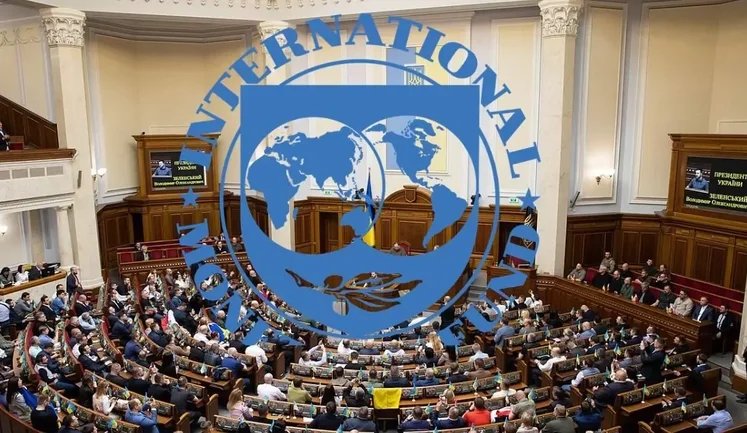
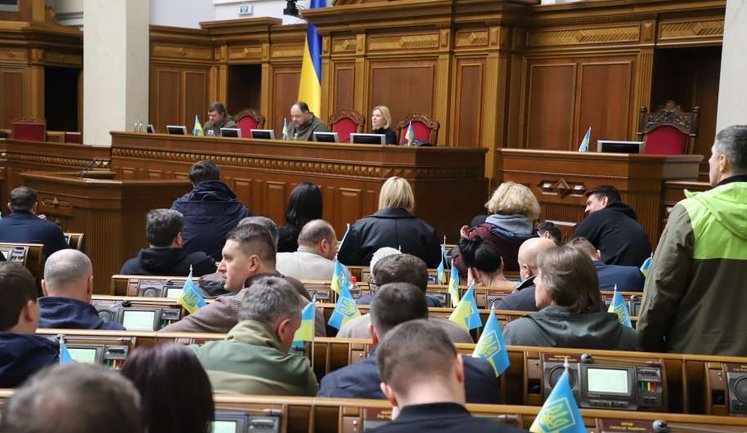
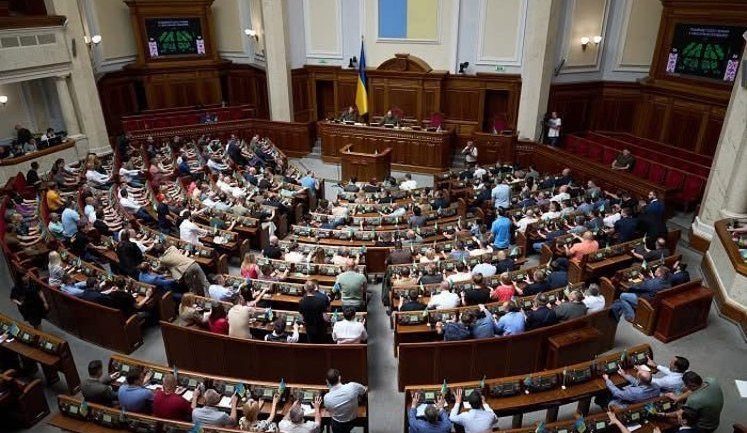
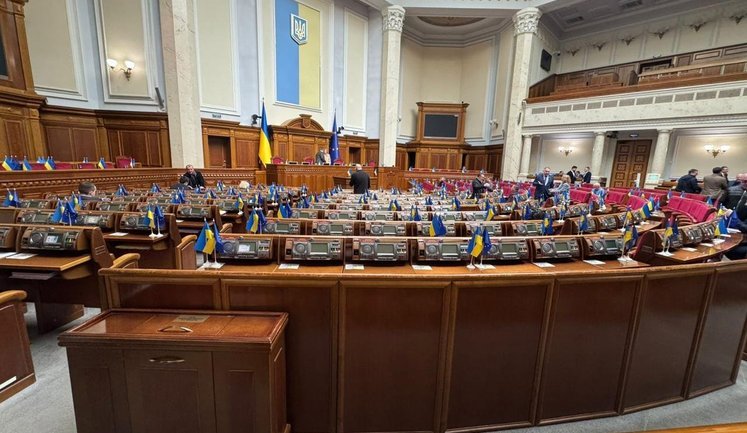
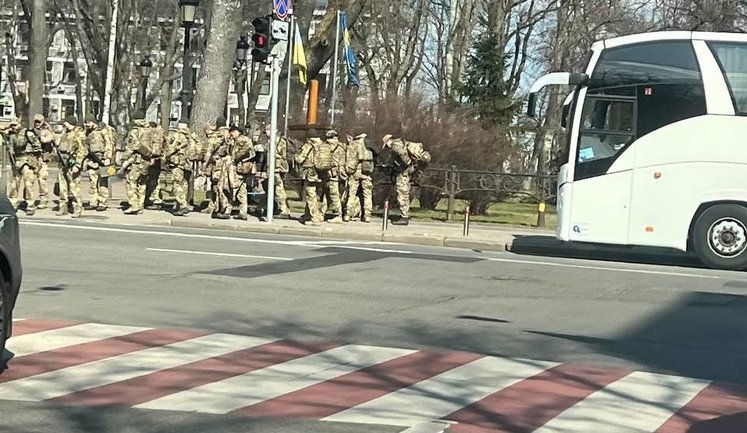
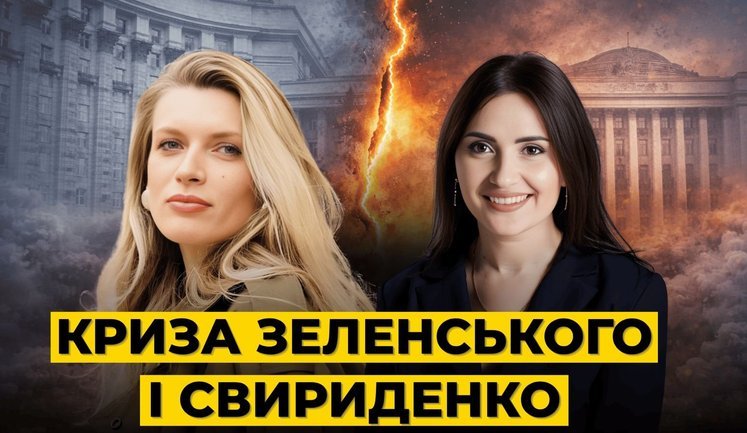
The Verkhovna Rada has played a pivotal role in Ukraine's political landscape, with recent events highlighting its influence. President Zelenskyy addressed the supposed crisis, emphasizing government challenges rather than parliamentary collapse. The EU positively assessed Ukraine's legislative efforts towards European integration, particularly the 'industrial visa-free regime' law. Concerns about local government reform were alleviated as the Rada backed Bill No. 14412, crucial for securing €400 million from the EU. Despite 41 MPs under investigation, parliamentary activities continue. Prime Minister Svyrydenko and prominent officials focus on urgent reforms, heavily influenced by anti-corruption agendas and IMF agreements.
What is the role of the Verkhovna Rada in Ukraine's government?
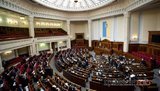
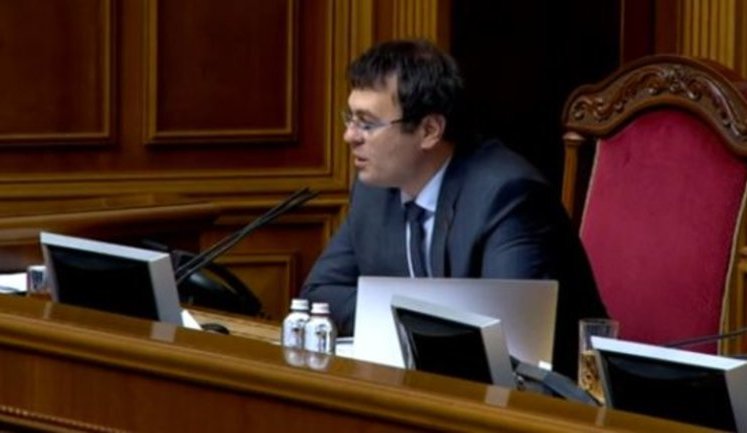
The Verkhovna Rada is Ukraine's unicameral parliament, playing a central role in legislative processes, government oversight, and shaping domestic and foreign policies. Recent sessions have focused on European integration laws, local government reform, and military legislation, reinforcing Ukraine's governance framework amid international collaborations and anti-corruption initiatives.
How is the EU involved in Ukraine's legislative process?
The EU closely monitors Ukraine's legislative actions, with a particular interest in laws promoting European integration and alignment with EU standards. The Verkhovna Rada's recent adoption of important laws for EU integration underscores this partnership. Continued legislative progress is vital for accessing EU financial support and achieving broader international strategic goals.
Who are the key political figures influencing the Verkhovna Rada?
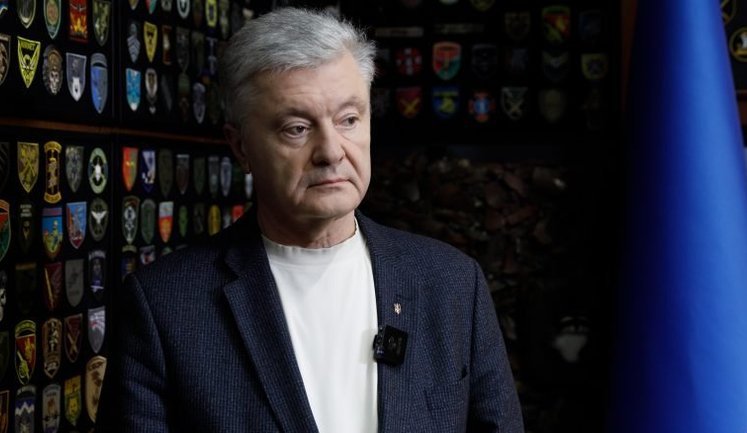
President Volodymyr Zelenskyy and Prime Minister Yulia Svyrydenko are significant influencers in the Rada, advocating for reforms and navigating political challenges. Other notable figures like Petro Poroshenko, a leader of the opposition European Solidarity, also actively shape legislative debates. The dynamic between these leaders impacts Ukraine's legislative direction and political climate.
What challenges is the Verkhovna Rada currently facing?
The Verkhovna Rada is encountering obstacles including internal political discord, legislative delays, and maintaining EU and IMF financial commitments. Investigations involving at least 41 MPs add to operational pressures. However, recent reforms in local governance and military conduct laws demonstrate the Rada's resilience in addressing these challenges effectively.
What impact does the Verkhovna Rada have on Ukraine's international relations?
The Verkhovna Rada significantly affects Ukraine's international relations by passing laws that align with global partners' standards, especially the EU. Successful legislative efforts bolster Ukraine's image as a committed partner in European integration, essential for future cooperation and stability. The Rada's actions continue to uphold Ukraine's international commitments amid ongoing reforms.