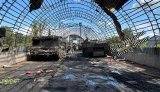
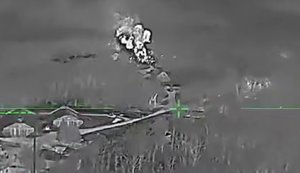
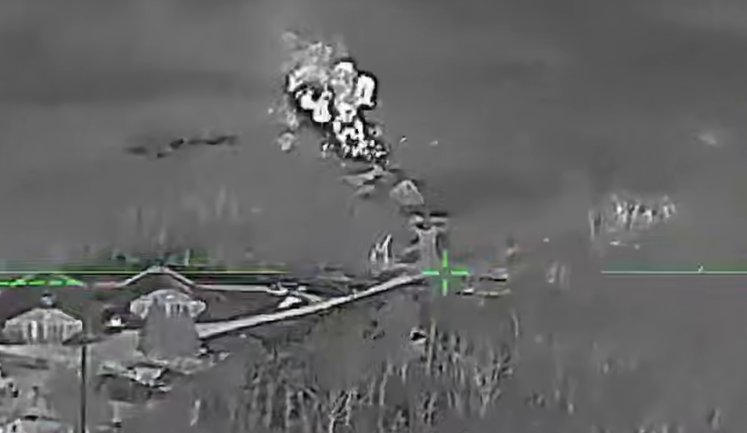
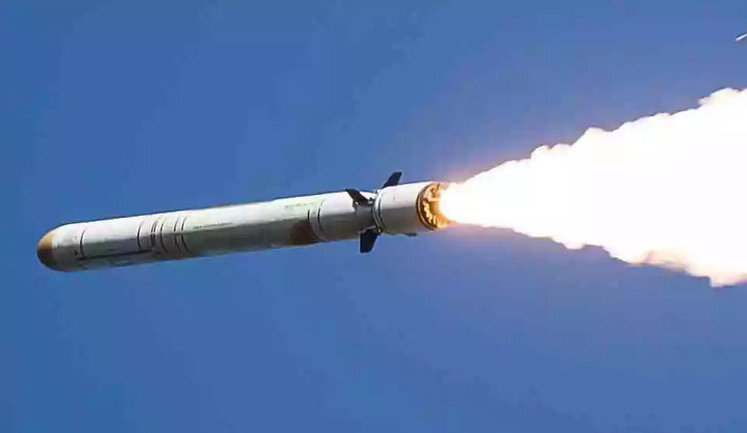
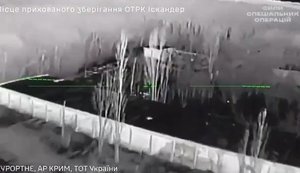
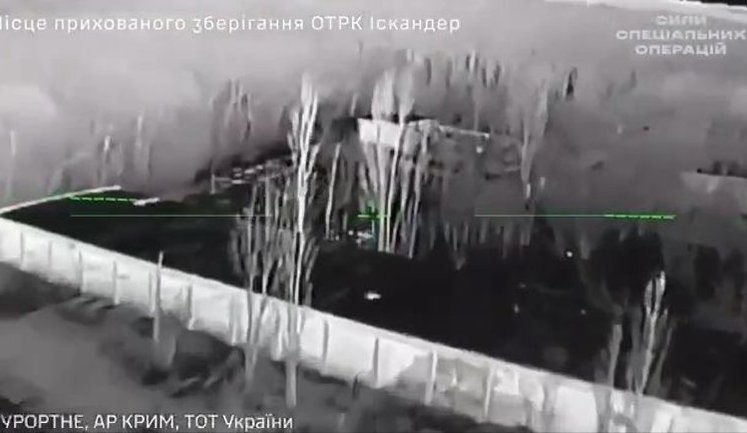
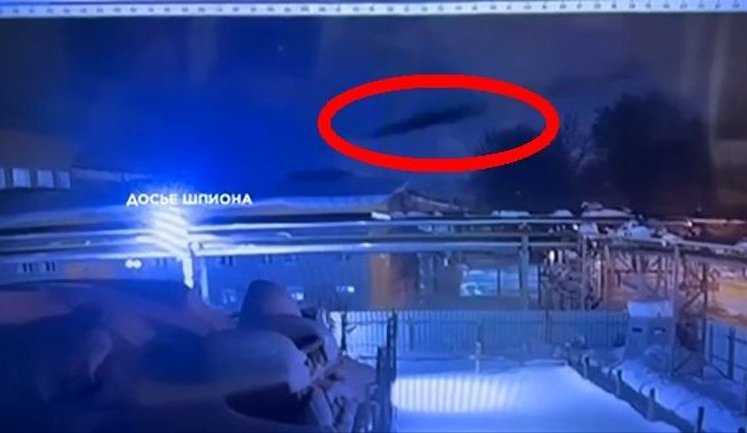
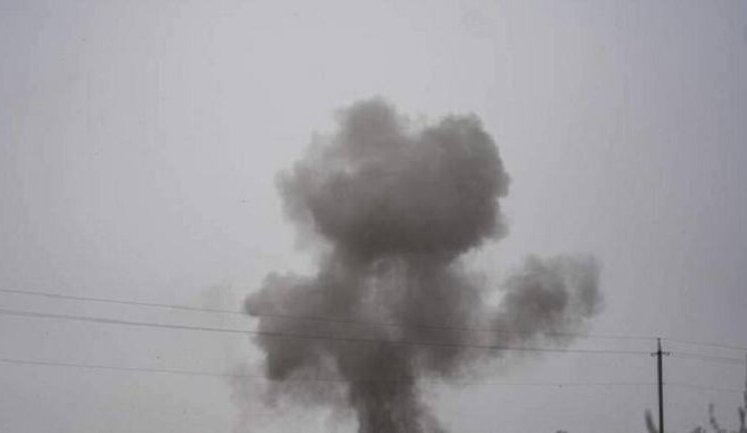
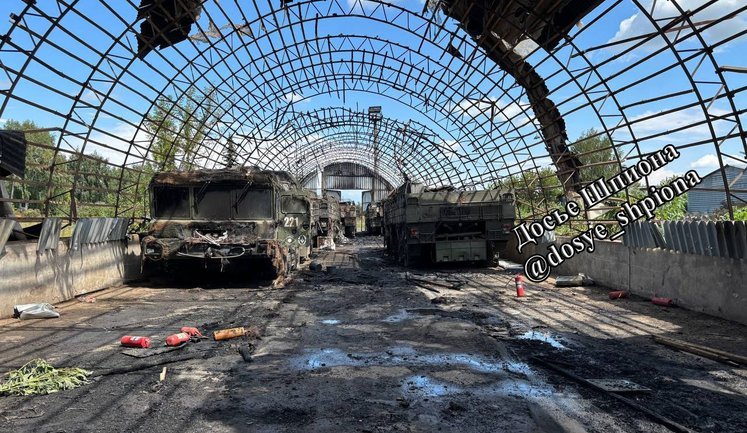
The ongoing conflict in Ukraine has seen a significant use of Iskander missiles by Russian forces. On December 27, the Kyiv region faced a combined strike involving UAVs and missiles, resulting in 503 air targets being destroyed by Ukraine's air defense. Earlier, on November 27, an Iskander-M ballistic missile attack from Crimea was neutralized as Ukrainian forces took down 63 UAVs. This follows a string of incidents where Special Operations Forces successfully hit transport and loading vehicles for the Iskander system in the Kursk region. Additionally, Ukrainian drones managed to destroy six Iskander missile system vehicles in Russia’s Krasnodar area. The ongoing assaults focus on damaging Ukraine’s critical infrastructure, with air defenses remaining vigilant against UAV and missile threats.
What are Iskander missiles, and how are they used in the conflict?
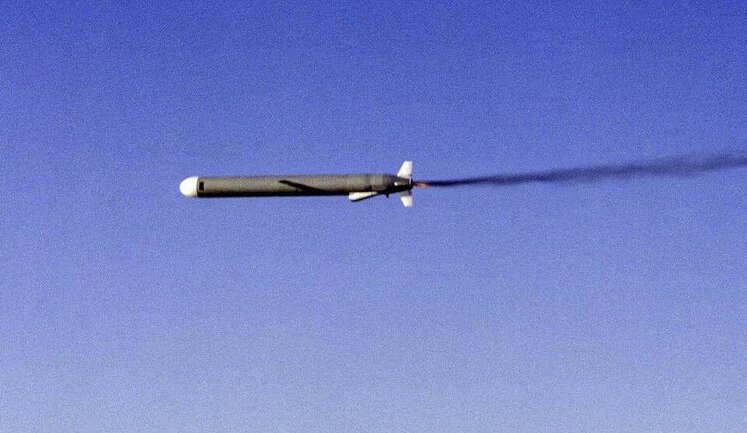
Iskander missiles are Russian short-range ballistic missile systems capable of carrying conventional or nuclear warheads. In the current Ukraine conflict, they are launched against key infrastructure and military targets. Their mobility and precision make them a critical component in Russia's offensive strategy, requiring constant monitoring and countermeasures by Ukraine's defense forces.
How effective is Ukraine's air defense against Iskander missiles?
Ukraine's air defense has been effective, as evidenced by the destruction of numerous aerial targets, including UAVs and missiles. For instance, on November 27, Ukraine's defense forces neutralized an Iskander-M attack and multiple UAVs, showcasing a robust defense system designed to counter and mitigate aerial threats from Russia.
What role does Ukraine's Special Operations Forces play against the Iskander threat?
Ukraine's Special Operations Forces play a critical role in neutralizing the Iskander threat by targeting and destroying system components such as launchers and loading vehicles. In several operations, they have successfully dismantled logistical and operational aspects of the Iskander units, diminishing the missile system's effectiveness on the battlefield.
How has the destruction of Iskander vehicles affected the conflict dynamics?
The targeted destruction of Iskander vehicles by Ukrainian forces has strategically impaired Russia's missile capabilities, forcing the adversary to reconsider deployment strategies and logistical support. This disruption helps reduce the frequency and impact of missile attacks on Ukraine's infrastructure, potentially shifting the conflict dynamics toward a more defensible position for Ukraine.
What are the implications of cross-border attacks on Russian military assets?
Cross-border attacks, such as those targeting Iskander systems within Russian territory, underline Ukraine’s capacity to strike critical military assets. These operations signal a shift from defensive to more assertive tactics and demonstrate the growing capability and reach of Ukraine's military forces, affecting Russian operational planning and morale.
How do UAVs factor into the conflict between Ukraine and Russia?
Unmanned Aerial Vehicles (UAVs) are pivotal in the conflict, used for both reconnaissance and offensive operations. Russia employs UAVs to augment missile strikes, while Ukraine utilizes them for precision targeting of enemy assets, including the Iskander systems, thereby amplifying their strategic and tactical value in the theater of war.