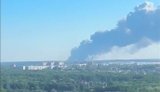
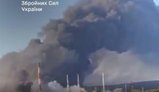
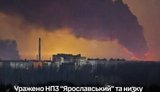
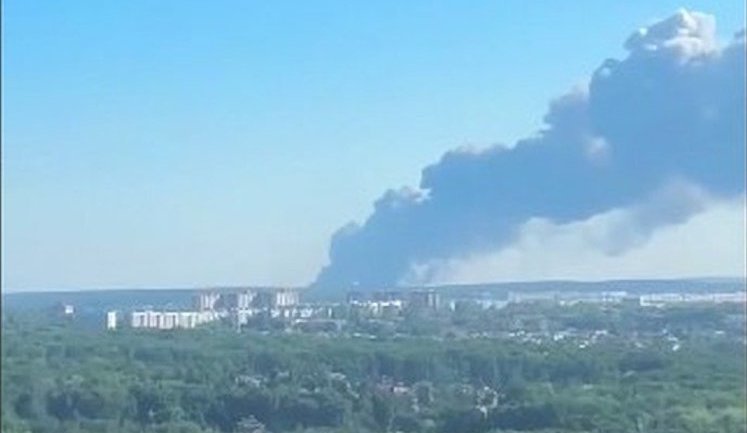
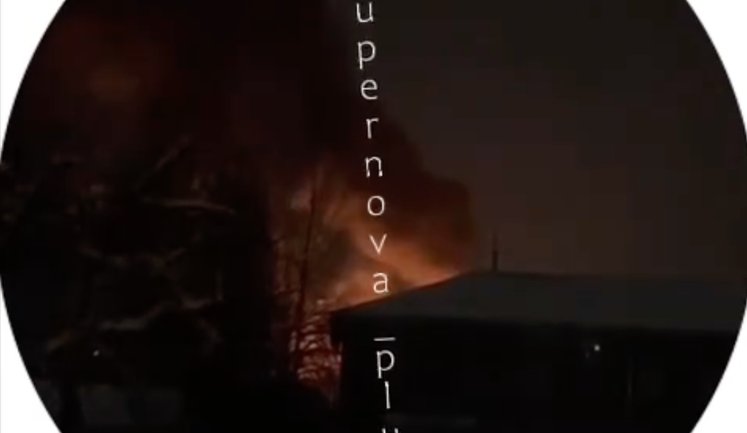
The Kaluga Region in the Russian Federation has recently become a focal point for military strikes, particularly involving drone attacks. Ukrainian Armed Forces have targeted the 'Tsymbulova' drone base, leading to significant fires detected by NASA’s FIRMS satellite. These strategic attacks aim to curtail the military and economic capabilities of Russia, as evidenced by strikes on oil depots in Lyudinovo and other facilities reinforcing Russian military aggression. Reports show continued efforts by Ukraine's Defense Forces to weaken Russian support systems integral to their ongoing aggression, marking a significant uptick in military operations in the region.
What has been targeted in the Kaluga Region of Russia?
The Kaluga Region has seen drone attacks targeting military facilities, oil depots, and strategic infrastructure. These attacks are part of broader efforts to reduce the military capabilities of the Russian Federation, including facilities reported to support military aggression against Ukraine.
Who is responsible for the drone attacks in the Kaluga Region?
The Ukrainian Armed Forces and Security Service (SSU) have been identified as conducting these drone attacks. These strikes form part of Ukraine's strategy to target enemy facilities funding the war against Ukraine, while imposing long-range penalties on Russian entities supporting military actions.
How have the attacks affected the Kaluga Region?
The drone attacks have caused significant fires and disruptions, targeting major oil depots and military infrastructure. The ongoing military operations aim to debilitate Russian economic contributions to their war efforts, highlighting the strategic importance of Kaluga in Russia's war machinery.
Why are these strikes occurring in the Kaluga Region?
The strikes aim to cripple essential military and economic assets in the Kaluga Region, which directly and indirectly support Russian war efforts. This includes targeting oil refineries, depots, and military bases that play a role in sustaining Russia's aggression against Ukraine.
What technologies have confirmed the impact of these strikes?
NASA’s FIRMS satellite monitoring system has been instrumental in detecting fires and damage in the vicinity of the targeted areas. This technology provides real-time verification and visualization of the strike impacts, assisting in authenticating reports of damage and strategic success.
Are there strategic aims behind these Ukrainian attacks in Russia?
Yes, the strategic aim is to weaken military capabilities by damaging critical infrastructure that supports Russian military operations. These include strikes on refineries and depots, as well as disrupting logistical supply lines, thereby affecting Russia's operational efficiency in the conflict.
Have other regions besides Kaluga been targeted by Ukrainian forces?
Yes, Ukrainian forces have also targeted other significant areas including the Yaroslavl Oil Refinery, Engels Airfield, and various military installations within Russia and occupied territories. These are part of a widespread effort to diminish the overall operational power of Russian military forces.