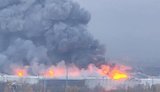
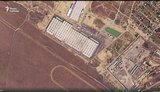
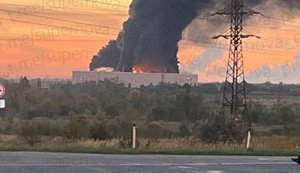
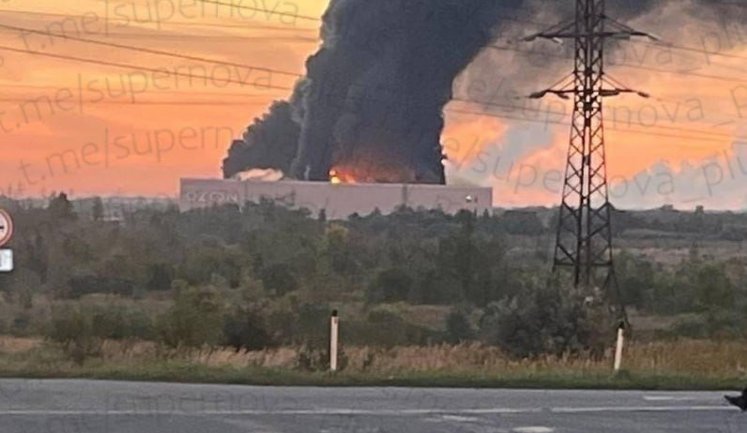
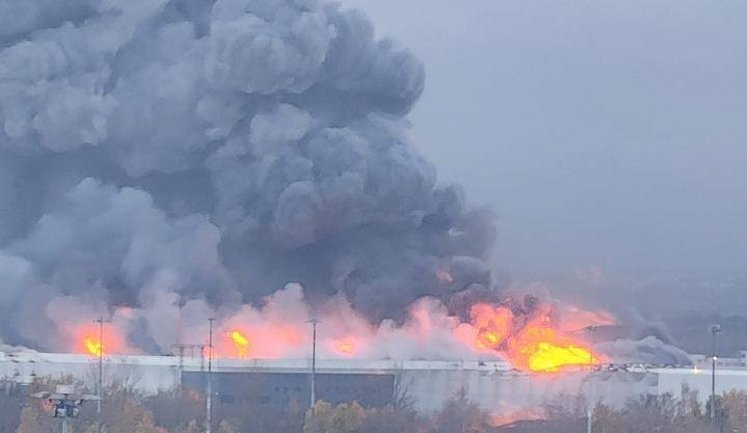
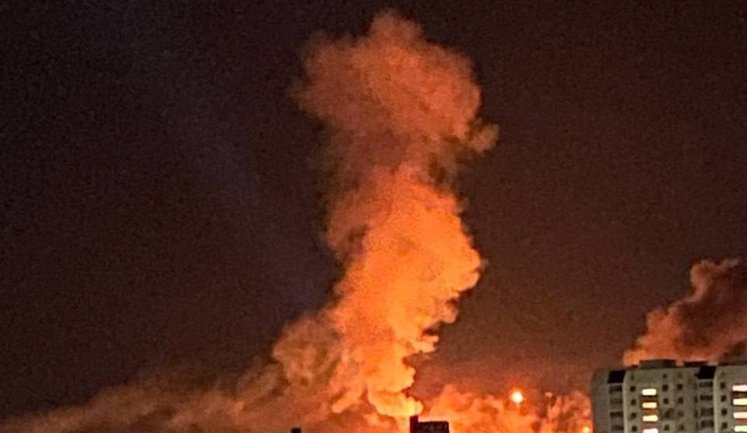
Drone attacks have dramatically escalated across various Russian regions, specifically targeting Ozon warehouses and logistics hubs. Major incidents include the St Petersburg distribution centre, which spans 79,000 square metres, now engulfed in flames. These repeated drone assaults have hit multiple regions including Saratov, Belgorod, and Dagestan, leading to widespread fires and damage. Videos and satellite images provide a stark depiction of the destruction at Ozon facilities. The wave of attacks reflects issues of mounting external pressures and security vulnerabilities, impacting one of Russia’s key marketplace infrastructure operations.
What areas of Russia have Ozon facilities been affected?
Ozon facilities have been affected across several regions in Russia, including St Petersburg, Saratov, Belgorod, Rostov, and Dagestan. These areas have witnessed significant drone attacks causing large-scale fires and infrastructure damage.
How are the drone attacks impacting Ozon's operations?
Drone attacks have severely disrupted Ozon's operations by targeting key logistics and warehouse facilities. Fires and damages have led to operational halts, necessitating security reassessment and contingency strategies to manage supply chain disruptions.
Why is Ozon a target for drone attacks in Russia?
Ozon, being one of Russia's significant marketplace enterprises, represents a strategic economic target. The attacks attempt to undermine Russian economic stability and security, affecting daily operations and broader market functions.
What are the consequences of repeated attacks on Ozon warehouses?
Repeated attacks on Ozon warehouses result in massive damage to infrastructure, financial losses from destroyed goods, disrupted service capabilities, and increased pressure on regional security frameworks to enhance protective measures against external threats.
Are there measures in place to prevent further drone attacks on Ozon?
In response to the heightened drone threats, there is an urgent need for comprehensive security enhancements at Ozon facilities. This includes bolstering surveillance systems, deploying rapid-response teams, and integrating advanced detection technologies to foreshield against future disruptions.