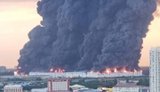
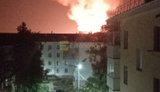
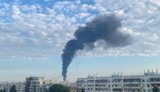
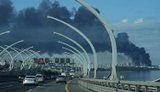
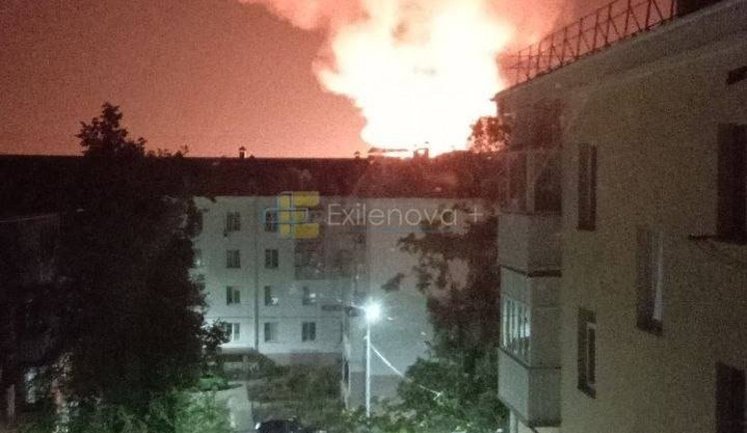
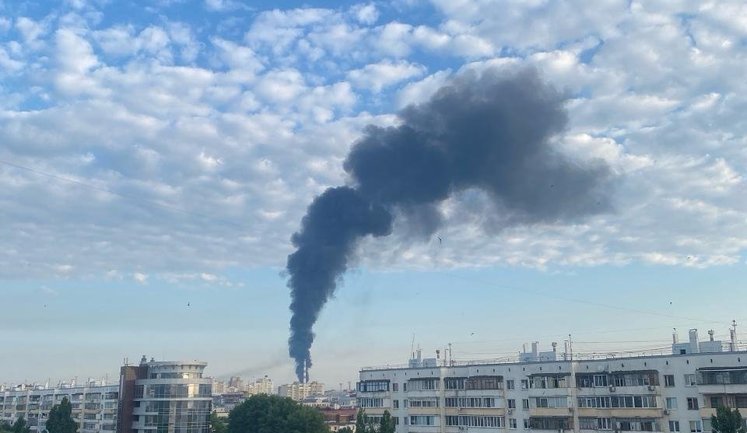
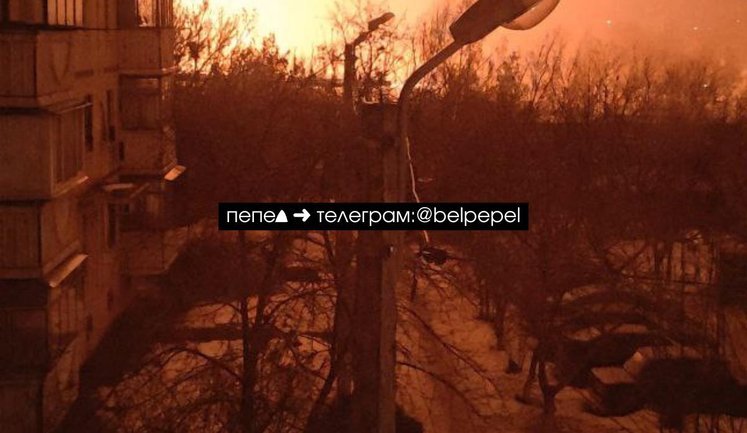
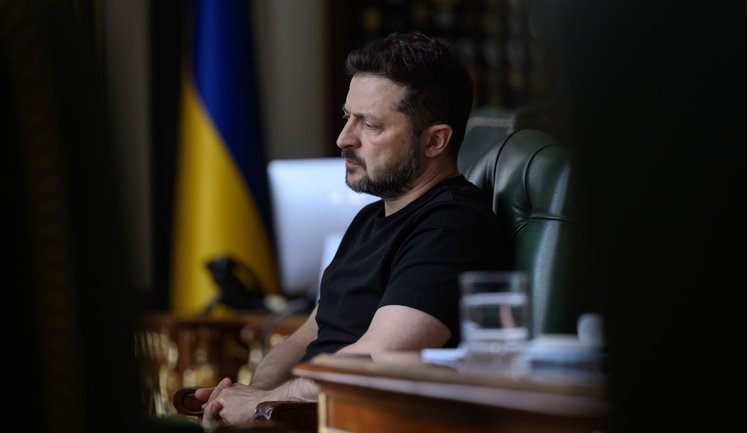
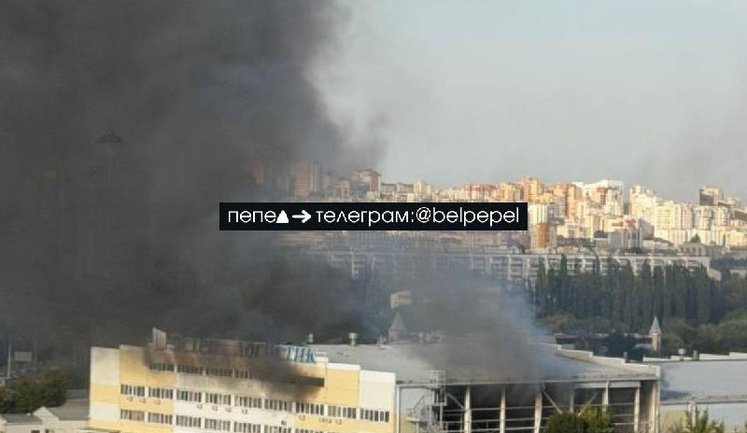
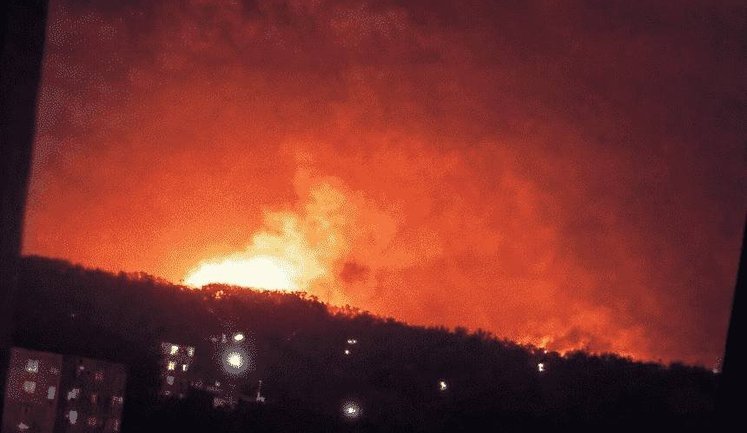
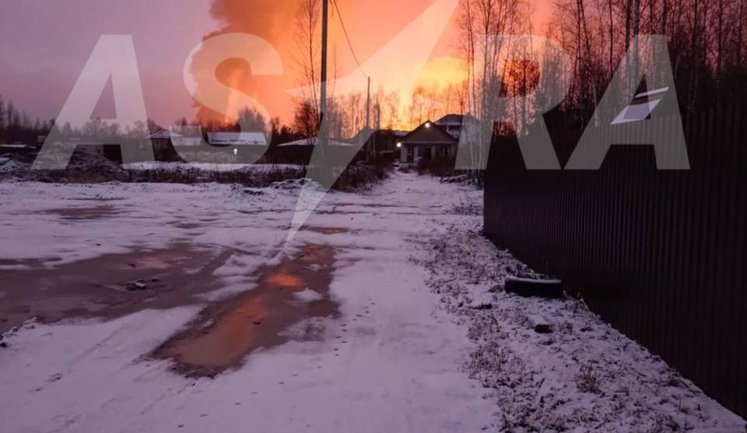
In recent months, strategic military activities have intensified between Ukraine and Russia, focusing on key energy facilities. Rocket attacks in Belgorod have caused significant disruptions, leaving thousands without electricity and essential services. Ukrainian President Zelenskyy defends these strikes as legitimate targets, asserting that they are a crucial funding source for Russia's war efforts. The Belgorod Thermal Power Plant and electrical substations have been primary targets. Moreover, discussions on an energy ceasefire are underway, with the United States and Ukraine preparing to engage Russia at upcoming UAE talks. As these incidents escalate, energy infrastructures in various Russian cities, including Orel and Astrakhan, remain under siege, contributing to a broader geopolitical tension in the region.
What are the recent developments in Belgorod?
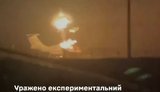
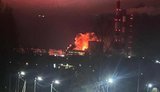
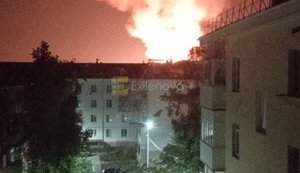
Recent military actions in Belgorod have seen missile strikes causing severe damage to its energy infrastructure. The Thermal Power Plant and electrical substations were significantly affected, leading to power outages and disruption of essential services like heating and water supply across the region.
Why is Ukraine targeting Russian energy facilities?
Ukraine is targeting Russian energy facilities as they are believed to be crucial funding sources for military actions against Ukraine. President Zelenskyy asserts that these energy infrastructures are legitimate targets just like military sites, contributing to a strategic effort to weaken Russia's war capabilities.
What measures are being proposed to address the energy crisis?
The United States and Ukraine are proposing an "energy ceasefire" initiative to Russia. This proposal will be discussed in upcoming trilateral talks in the UAE, aiming to alleviate the continuous strikes and restore energy stability in affected regions.
How is the international community responding to these energy system strikes?
The international response is focused on diplomatic talks, as seen in the planned UAE discussions involving the US and Ukraine. Additionally, there is considerable international monitoring of the geopolitical implications these strikes have, given the disturbances in energy supplies affecting broader European and global markets.
What impact have the strikes on energy facilities had on Russian cities?
The strikes have severely impacted Russian cities like Belgorod, Orel, and others, causing widespread power outages, disruptions in heating, and water supply issues. The damage to infrastructure poses significant challenges to local governments and residents, affecting daily life and economic activities.
Are there any international legal implications for Ukraine's actions?
Ukraine's military actions targeting energy infrastructures can be contentious under international law, especially concerning principles related to warfare and civilian protection. However, Ukraine justifies its actions by labeling these facilities as strategic targets contributing to the adversary's military capabilities.
What energy facilities have been targeted recently in Russia?
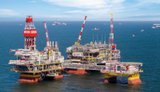
Recent targets include the Belgorod Thermal Power Plant, Orel's thermal power facilities, several substations deep within Russian territory, and oil platforms in the Caspian Sea. These strategic sites are attacked in efforts to disrupt Russia's energy network supporting its military efforts.
What role does Ukraine’s defense forces play in these strikes?
Ukraine's defense forces, along with the Special Operations Forces and the Unmanned Systems Forces, play a critical role in executing these targeted strikes. Utilizing missile forces, artillery, and drones, they coordinate precise attacks aimed at disrupting Russia's energy infrastructure used for military gains.
How are the local populations in affected Russian areas coping with these disruptions?
Local populations in areas like Belgorod and Orel are facing significant hardships, coping with the absence of basic utilities such as electricity, heating, and water. Community resilience is tested as residents seek alternative measures and rely on governmental aid for relief amid the ongoing crisis.
Are there any peace negotiation efforts ongoing to resolve these energy-related conflicts?
Yes, peace negotiation efforts are indeed ongoing. The proposed "energy ceasefire" at upcoming UAE talks highlights diplomatic attempts to mitigate the crisis, demonstrating a willingness for dialogue amidst escalating tensions between Ukraine and Russia over energy warfare.