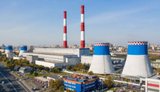
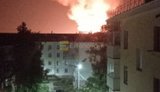
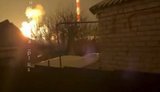
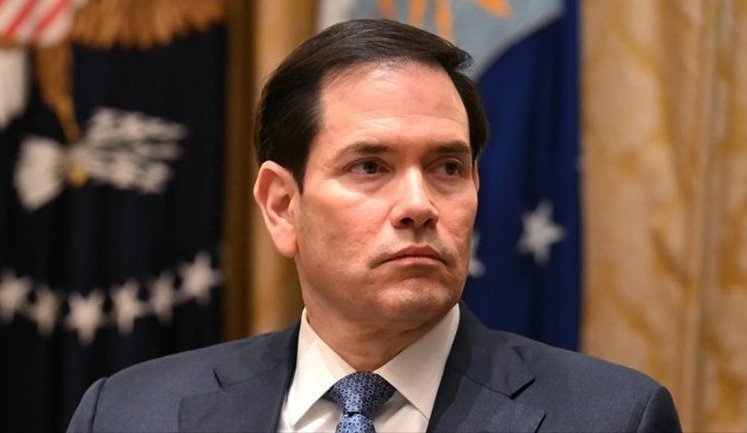
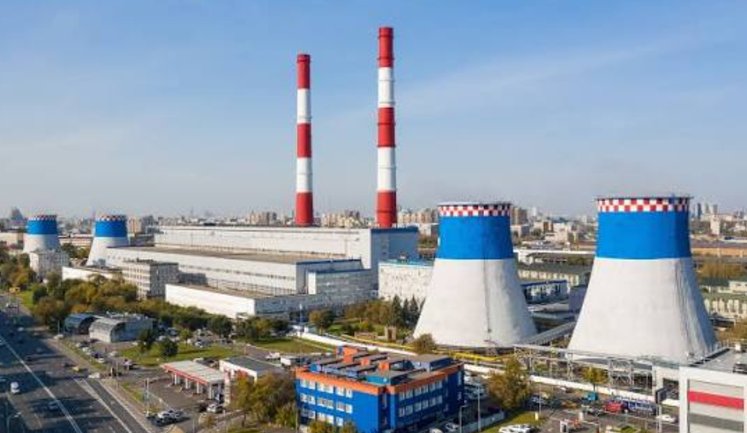
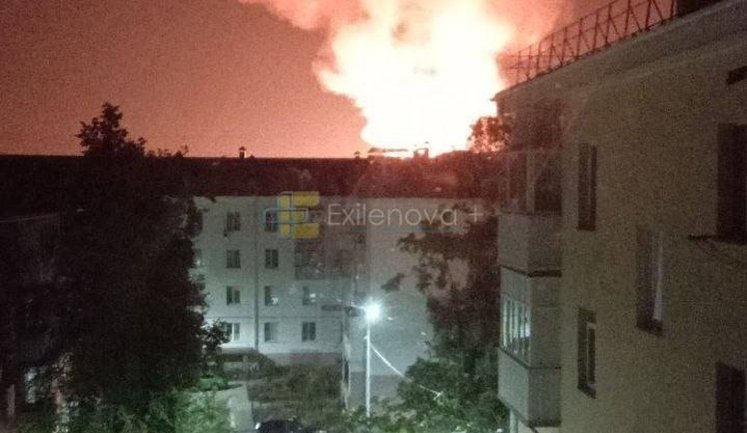
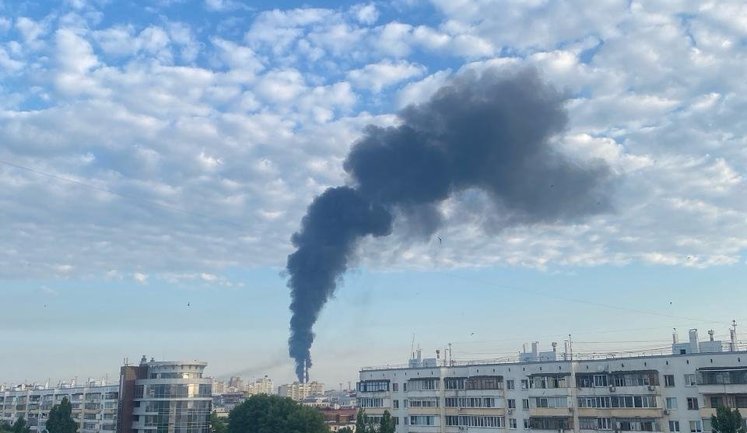
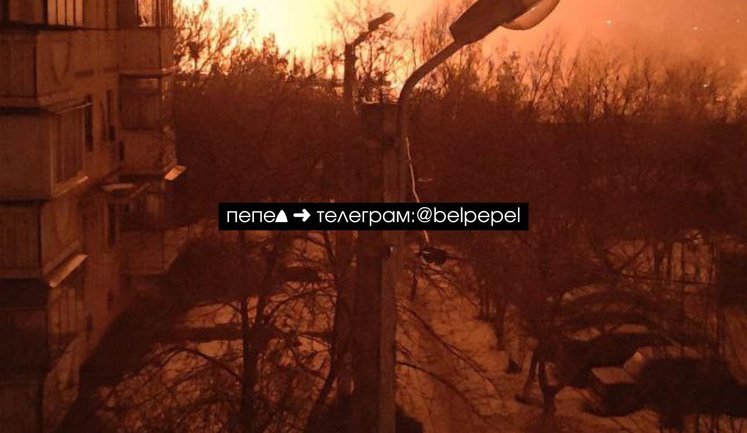
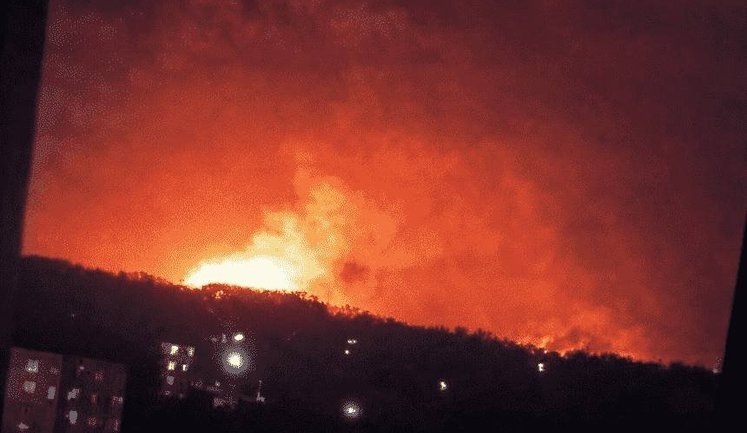
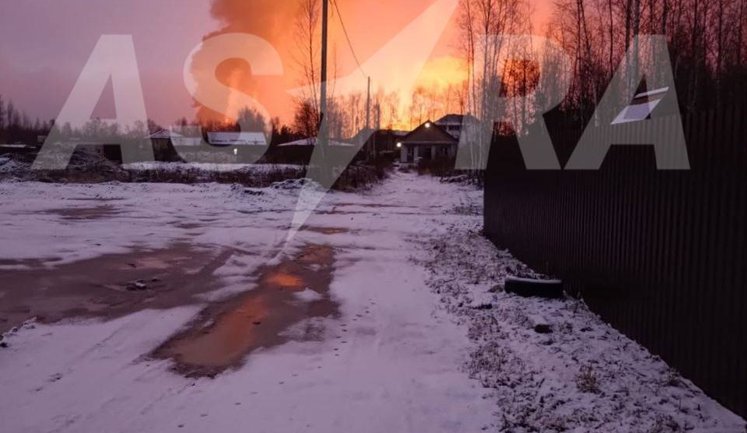
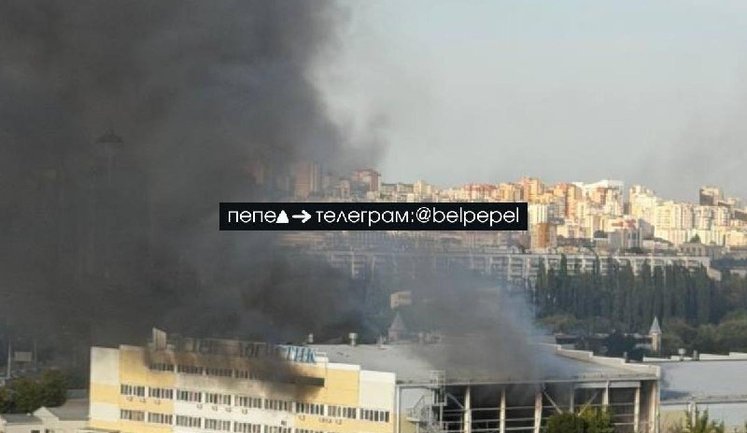
The ongoing conflict between Ukraine and Russia has seen a marked escalation in attacks on energy infrastructure. Ukrainian forces have targeted various Russian energy facilities, including oil refineries, thermal power plants, and gas processing plants. In recent incidents, drone strikes have hit important installations, causing significant disruptions. US Secretary of State, Marco Rubio, emphasized the importance of an energy truce, expressing concerns over the potential consequences of continued attacks. President Zelenskyy indicated Ukraine's readiness to negotiate a halt to strikes, contingent on detailed agreements with international partners. Meanwhile, large-scale UAV assaults and missile attacks continue to cripple Russian energy operations, sparking debates on the legitimacy and strategic implications of such military actions.
What is the current situation regarding strikes on the Russian energy system?
There is an escalating series of strikes on the Russian energy system by Ukrainian forces, with targets including thermal power plants, oil refineries, and gas facilities. The conflict has intensified, leading to widespread energy disruptions in Russia and causing international concern.
How is the US involved in the energy conflict between Ukraine and Russia?
The United States, through its Secretary of State Marco Rubio, is advocating for an energy truce between Ukraine and Russia. The US is concerned about the wider impact of the conflict, especially given that some attacked facilities are linked to American interests.
What is Ukraine's stance on the strikes on Russian energy facilities?
Ukraine has justified its strikes on Russian energy facilities by stating that they are legitimate targets due to their role in funding the war against Ukraine. President Zelenskyy has indicated a willingness to halt such attacks if concrete agreements are reached with international partners.
Which Russian areas have been most affected by the strikes?
Several Russian regions, including Belgorod, Moscow, and Leningrad Oblast, have been significantly affected by strikes on their energy infrastructure. These attacks have caused power outages and other disruptions, sparking defensive measures from Russia.
What measures is Russia taking against the energy attacks?
Russia is responding to the energy attacks by fortifying key facilities with defensive structures and reporting the downing of numerous UAVs. Despite these measures, the scale of the attacks has led to significant damage and energy disruptions.
What are the potential consequences of continued strikes on the Russian energy system?
The continued strikes on the Russian energy system could lead to severe energy shortages, impacting not only Russia's economy but also the global energy market. It could further exacerbate tensions and lead to more severe military confrontations.
Has there been any international response to the strikes on Russian energy facilities?
The international response has largely been one of concern, with calls for both sides to de-escalate the situation. The US and its allies are particularly worried about the implications for global energy supply and regional stability.
What role do drones play in the energy strikes between Ukraine and Russia?
Drones have played a critical role in the energy strikes, being used extensively by Ukrainian forces to conduct targeted attacks on Russian facilities. Their ability to bypass traditional defenses has made them a key asset in these operations.