ENG




13633 visitors online
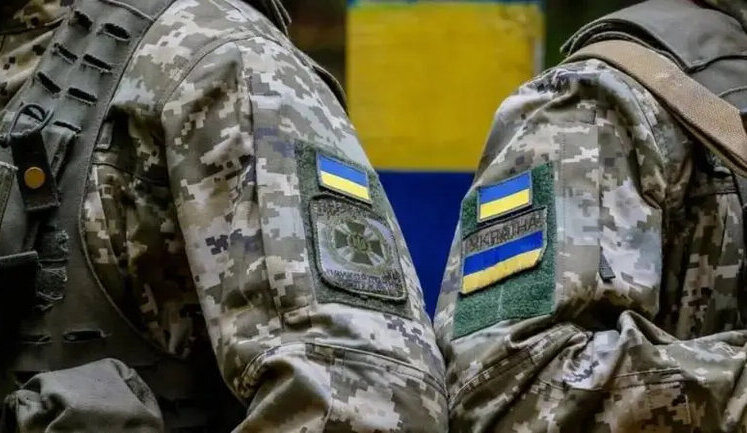
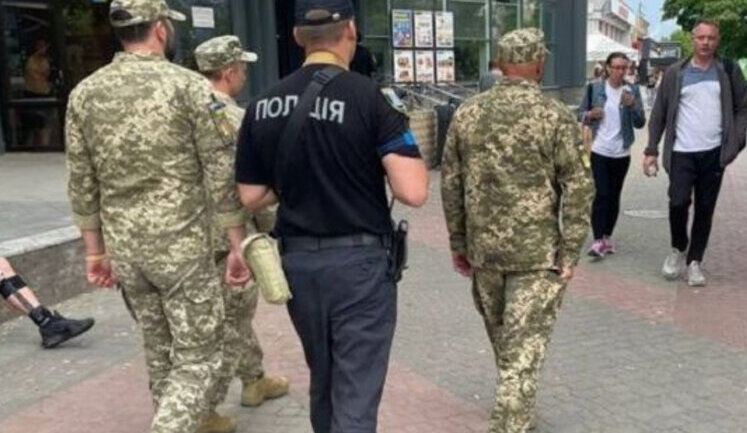
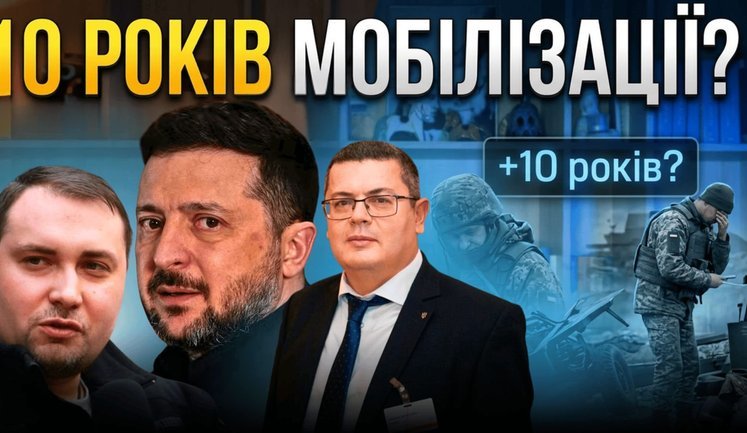
Ukraine's mobilization efforts in 2025 have seen significant developments. The law updates
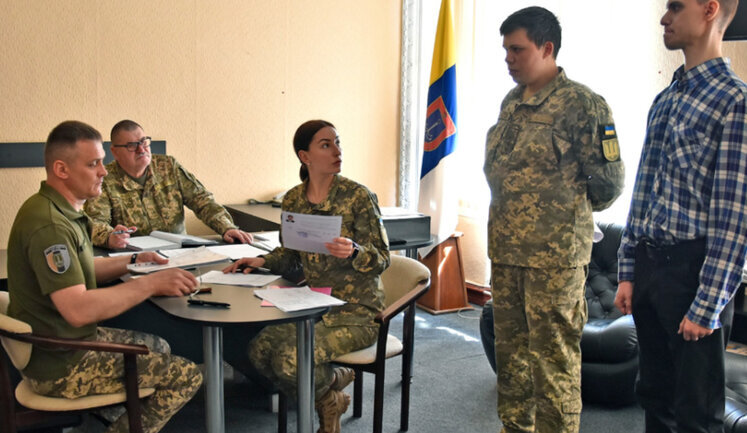
strengthened processes, but challenges persist. Notably, the classification of "limited fit" has changed
after repeated military medical commissions (MMC), with 99% now deemed fit for service. Despite initial
surges post-legislation updates, mobilization rates have now steadied. The government is also contemplating
allowing younger men abroad and adjusting deferments via the Reserv+ app. Additionally, there is a focus
on addressing corruption issues linked to drafting, with numerous officials under investigation or enlisting
to evade charges. Society grapples with these changes amidst the backdrop of ongoing extension of martial
law and military needs.
strengthened processes, but challenges persist. Notably, the classification of "limited fit" has changed
after repeated military medical commissions (MMC), with 99% now deemed fit for service. Despite initial
surges post-legislation updates, mobilization rates have now steadied. The government is also contemplating
allowing younger men abroad and adjusting deferments via the Reserv+ app. Additionally, there is a focus
on addressing corruption issues linked to drafting, with numerous officials under investigation or enlisting
to evade charges. Society grapples with these changes amidst the backdrop of ongoing extension of martial
law and military needs.