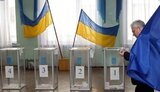
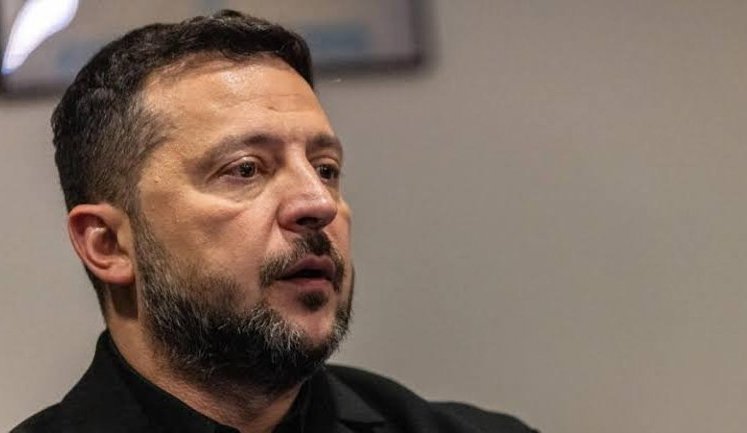
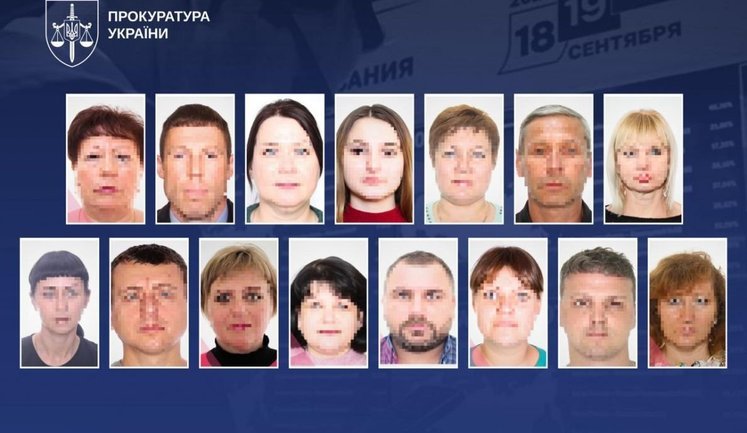
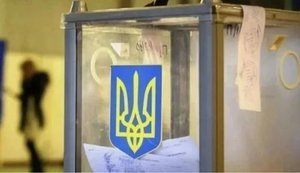
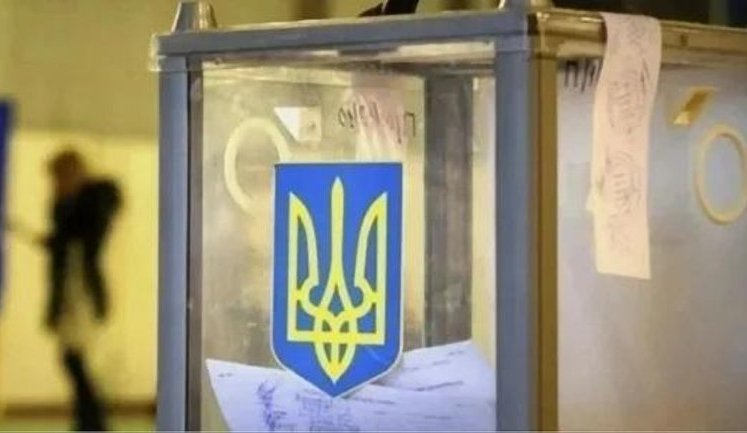
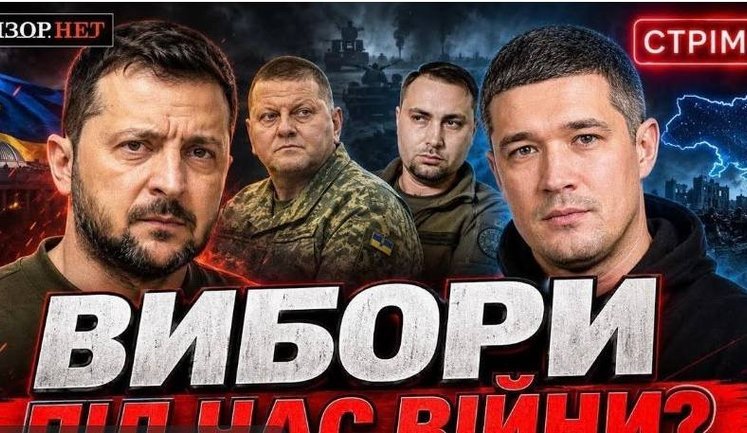
Elections in Ukraine under the current war conditions bring significant challenges. Recent polls suggest President Zelenskyy may lose to contenders like Zaluzhnyi and Fedorov. The complexity of organizing elections is compounded by millions of displaced Ukrainians and the inclusion of votes from occupied regions. Lithuania's rejection of sham elections in Russian-occupied areas highlights international concerns. Meanwhile, Zelenskyy warns about the risks of wartime elections. Ukraine's foreign allies stress the importance of elections, yet acknowledge they must be decided domestically. Holding elections could rejuvenate government institutions but poses threats amid ongoing conflicts.
Why are elections in Ukraine during the war controversial?
Holding elections in Ukraine during the war garners controversy due to logistical challenges and security threats. The presence of martial law complicates the process, and there's concern over ensuring voter safety and fair participation, especially with millions displaced and ongoing conflicts in occupied territories.
How might the conflict in Ukraine affect upcoming elections?
The conflict affects elections by creating logistical hurdles and security concerns that can impede voting processes. Displacement of residents and the control of territories by occupying forces may lead to disenfranchisement and questions about the legitimacy of the election outcomes.
What stance has Lithuania taken on Russian elections in occupied Ukraine?
Lithuania officially does not recognize the legitimacy of elections held by Russia in Ukraine's occupied territories. The Lithuanian Foreign Minister condemned these elections as severe violations of international law, reflecting broader concerns regarding sovereignty and legal integrity.
Who are the leading candidates challenging Zelenskyy?
Key potential challengers to President Zelenskyy include Valerii Zaluzhnyi and Mykhailo Fedorov, who have gained considerable support according to recent polls. Both offer different leadership perspectives amid the ongoing war, contributing to discussions on Ukraine's political future.
What are the potential risks of holding elections during wartime?
The risks of wartime elections include compromised security leading to unfair or disputed results, logistical issues rendering parts of the electorate unable to vote, and external influences possibly destabilizing the political environment further and exacerbating the conflict's impacts.
What support has Ukraine received from international allies regarding elections?
Ukraine's international partners, such as the EU, have shown readiness to support Ukraine through its electoral process. However, they emphasize that the decision to hold elections must be made by Ukraine itself, respecting its sovereignty and internal decision-making amidst complex wartime conditions.
How might internal Ukrainian politics influence upcoming elections?
Internal Ukrainian politics, marked by the challenges of wartime governance and public dissent against leaders like Zelenskyy, will play a crucial role. The rise of opposing figures like Zaluzhnyi and Fedorov highlights significant shifts in public sentiment, influencing election dynamics and potential outcomes.