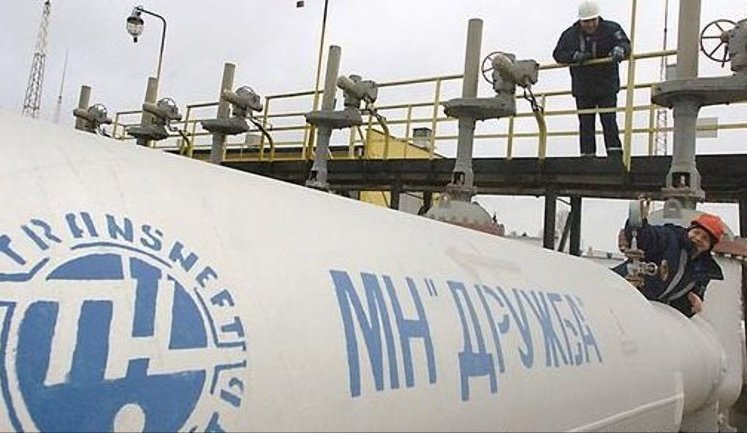
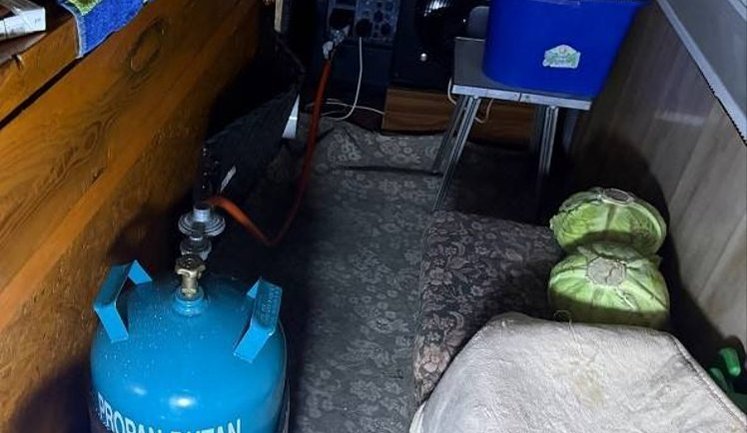
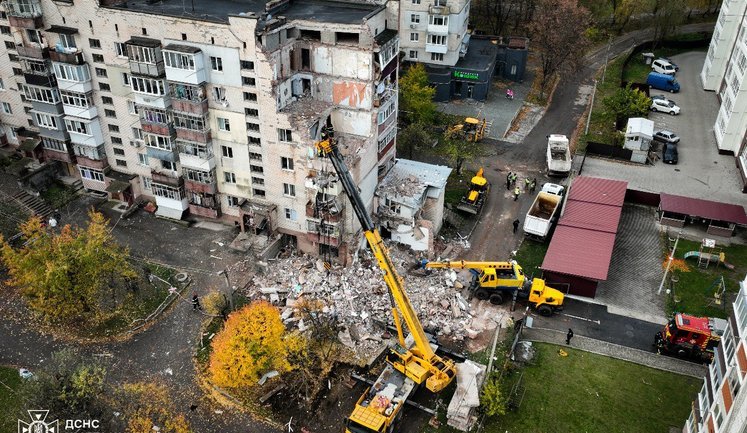
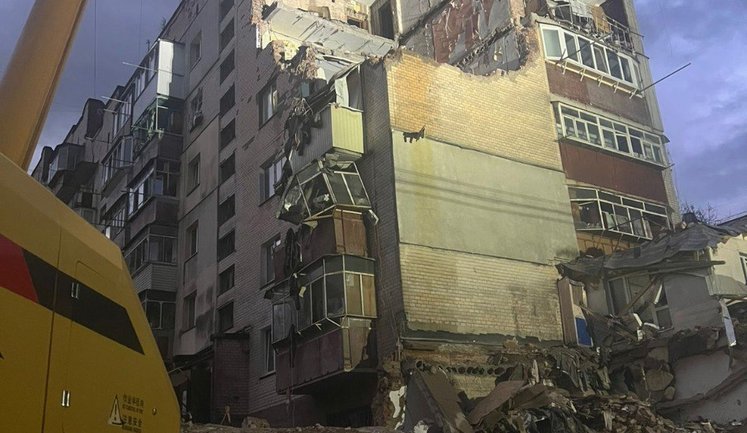
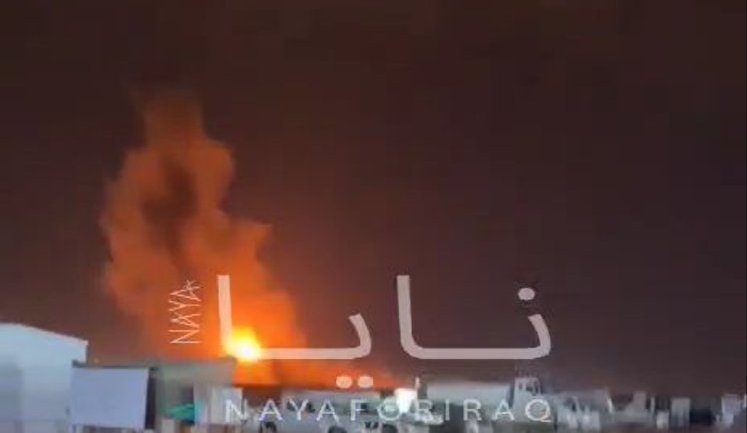
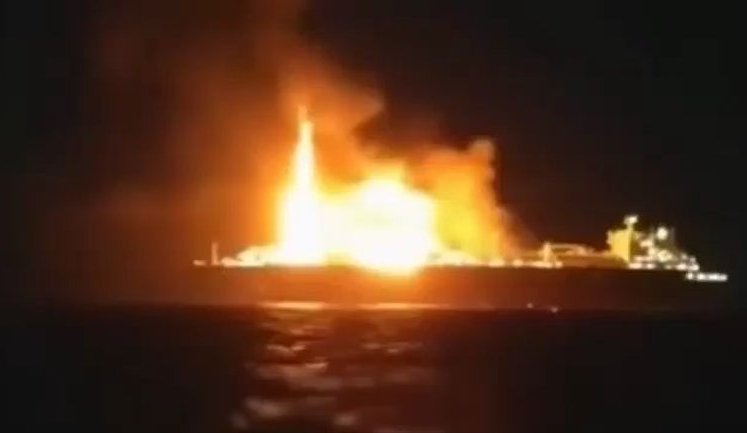
European countries are grappling with energy challenges amid geopolitical tensions, notably with Russia. Increasing reliance on non-Russian suppliers like Azerbaijan and the USA, countries seek stability while facing disruptions such as the recent European Commission urging early gas storage fills due to instability. Hungary's economic losses from halting supplies to Ukraine and legal challenges against EU bans underscore regional complexities. Meanwhile, incidents such as the Arctic Metagaz fire reflect logistical dangers. The EU remains firm on a 2027 Russian gas import ban, while affected areas like Obukhiv cope with immediate outages from conflicts.
What are the implications of the EU's Russian gas ban by 2027?
The EU's decision to ban Russian gas imports by 2027 aims to reduce geopolitical risks and dependency on Russian energy. It is a strategic move towards energy autonomy, urging member states to diversify energy sources. Countries like Spain and Japan are already transitioning towards alternative supplies, though nations like Hungary challenge the regulation, citing economic impacts and dependency concerns.
How does the increase in Russian gas supplies to Europe affect the market?
The 22% increase in Russian gas supplies to Europe reflects ongoing demand despite political tensions. While prices might temporarily stabilize due to increased supply, long-term EU strategies aim to decrease reliance on Russia through diversification and increased LNG imports from regions like the US and Azerbaijan, potentially altering future market dynamics.
Why is the European Commission urging early gas storage fills?
Amid energy instability exacerbated by Middle Eastern conflicts, the European Commission's call for earlier gas storage refills is a precautionary step. It ensures sufficient reserves during the peak winter months, mitigates supply disruptions, and supports strategic diversification away from Russian dependency, securing regional energy security.
What is the impact of Hungary's halt on gas supplies to Ukraine?
Hungary's halt on gas supplies to Ukraine, led by Prime Minister Viktor Orbán's decision, has significant economic repercussions. The Foreign Ministry highlights losses exceeding $1 billion. This move affects Hungary’s economy while impacting regional energy dynamics, stressing Ukraine's reliance on diversified imports amidst EU integration efforts.
What alternatives are being explored for Russian gas in Europe?
Europe is actively seeking alternatives to Russian gas to enhance energy security and reduce geopolitical dependency. Strategic partnerships with countries like Azerbaijan and the United States are key, with increased LNG imports and infrastructural support. The RePowerEU initiative underscores the EU's commitment to phase out Russian energy products by focusing on diversification and sustainability.
How has the Nord Stream project been impacted recently?
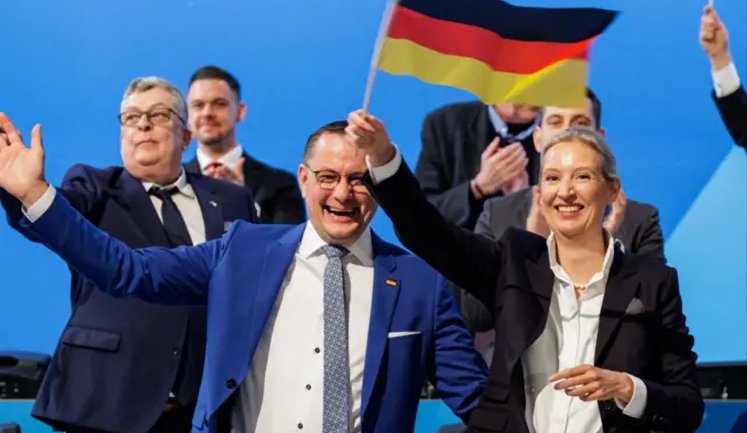
The Nord Stream gas pipeline's operations face increased scrutiny and political debate, particularly from Germany's "Alternative for Germany" party, which advocates for resumption amid geopolitical tensions and EU energy diversification strategies. This reflects wider controversies about European-Russian energy ties and economic dependencies.
What are the effects of geopolitical tensions on gas supply?
Geopolitical tensions, especially involving Russia, significantly affect gas supplies, prompting the EU to seek alternative energy resources to mitigate dependency and secure supplies. Incidents like infrastructure attacks or diplomatic disputes can disrupt supply chains, influencing global market stability and regional economic strategies.