The gas industry is undergoing significant changes in 2026, influenced by geopolitical tensions and policy shifts. Hungary faces over $1 billion in losses due to halting gas supplies to Ukraine. Meanwhile, Ukraine has strategically reduced gas withdrawals from its storages, with reserves now surpassing last year's levels. Europe is urged by the European Commission to enhance gas reserve strategies, responding to Middle Eastern conflicts. Iran's ballistic strike on Qatar's gas complex adds instability to the region. In contrast, Azerbaijan expresses readiness to bolster Europe's energy security through increased gas exports. Britain and Russia experience tighter gas supply issues, emphasizing Europe's broader energy concerns. These developments underscore the complex dynamics shaping global energy security.
What economic impact does Hungary face from halting gas supplies to Ukraine?
Hungary potentially loses over $1 billion due to Prime Minister Orbán's decision to stop supplying gas to Ukraine. This decision not only affects Hungary's economy but also alters regional energy dynamics, indicative of broader geopolitical tensions influencing energy strategies.
How is the European Commission addressing gas reserve challenges?
The European Commission has advised EU countries to revise strategies for filling gas storage earlier, responding to energy instability due to Middle Eastern conflicts. This call to action aims to mitigate supply disruptions and enhance EU's energy security amid volatile geopolitical landscapes.
What are the implications of Azerbaijan's commitment to increase gas supplies to Europe?
Azerbaijan's readiness to boost gas exports to Europe offers relief to EU's energy concerns and aids in diversifying supply sources. President Aliyev's assurances contribute to stabilizing Europe's energy supply chain, crucial amid tensions with traditional suppliers and geopolitical shifts.
What is the significance of reduced gas storage withdrawals in Ukraine?
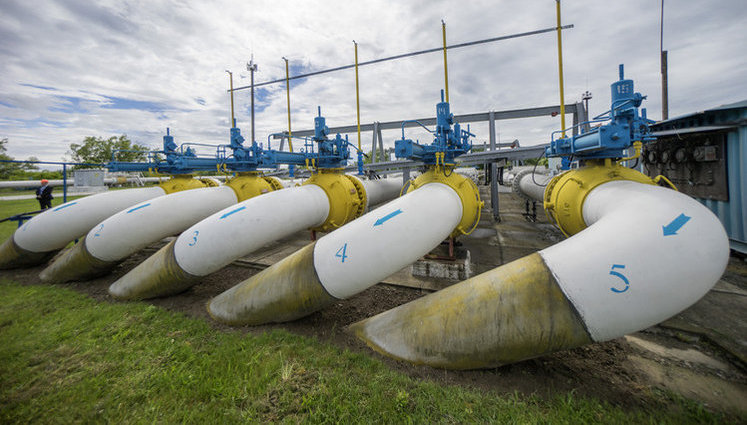
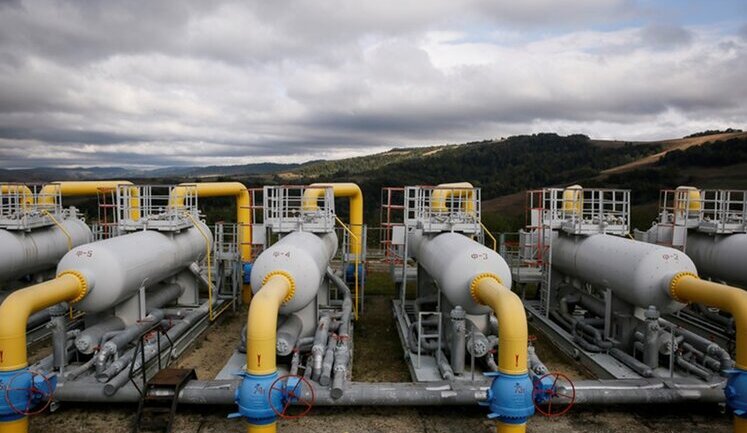
Ukraine's decision to cut gas withdrawals from storage facilities signifies strategic management of national reserves. By ensuring higher stock levels compared to the previous year, Ukraine aims to strengthen its energy resilience, preparing better against potential future supply disruptions.
Why has the European Union decided to phase out Russian gas imports by 2027?
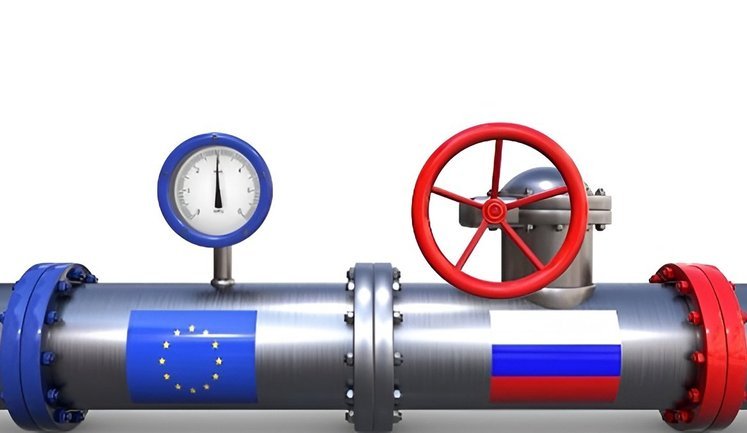
The EU's decision to phase out Russian gas by 2027 is part of the RePowerEU regulation, aimed at reducing dependency on Russian energy. This move responds to geopolitical pressures and seeks to enhance EU's energy security through diversification of energy sources globally.
What was the outcome of Iran's ballistic missile strike in Qatar?
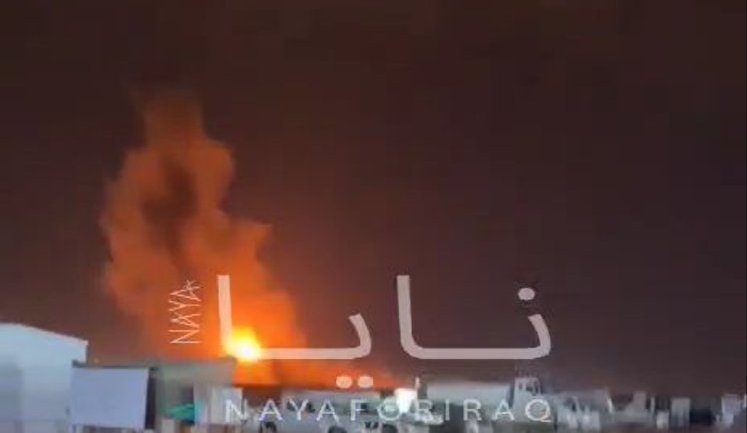
Iran's ballistic missile strike on Qatar's Ras Laffan gas complex added volatility to global energy markets. Such actions accentuate the vulnerabilities in the Middle Eastern energy infrastructure, affecting global gas supply chains and raising concerns over regional stability.
What challenges does the UK face regarding its natural gas supply?
The UK faces critical challenges as its natural gas reserves have dropped to levels that sustain the country for merely two days. This situation highlights urgent energy security issues and the need for strategic reserve management amid ongoing geopolitical tensions and supply disruptions.
How does Azerbaijan's gas supply expansion influence EU's energy security?
Azerbaijan's potential increase in gas supplies to Europe positively impacts EU's energy security. By providing alternatives to Russian energy sources, Azerbaijan helps mitigate EU's dependency, reinforcing regional energy stability and contributing to broader global energy diversification.