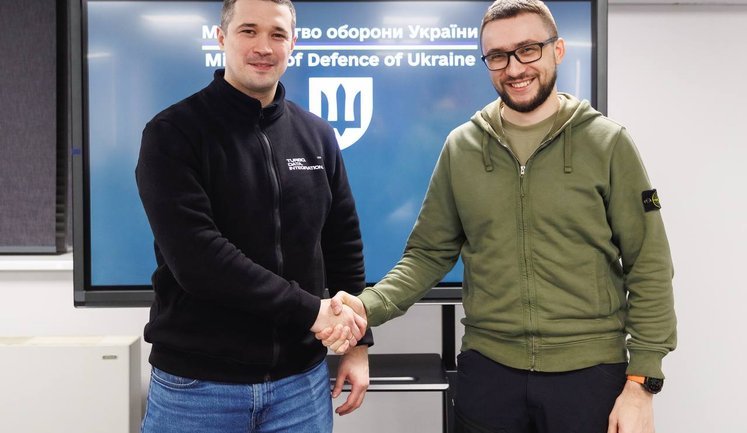
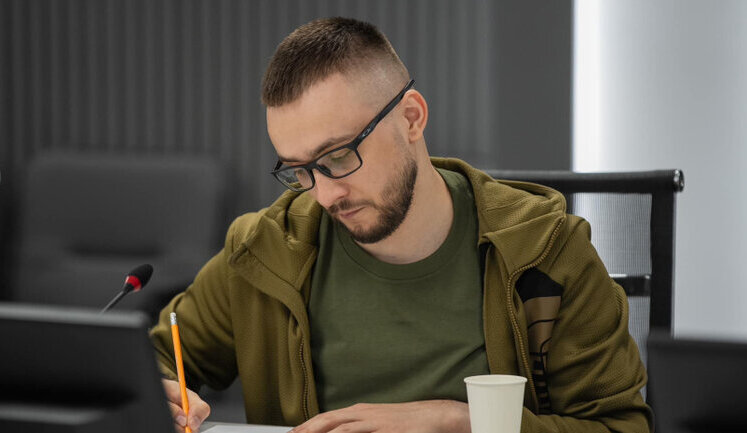
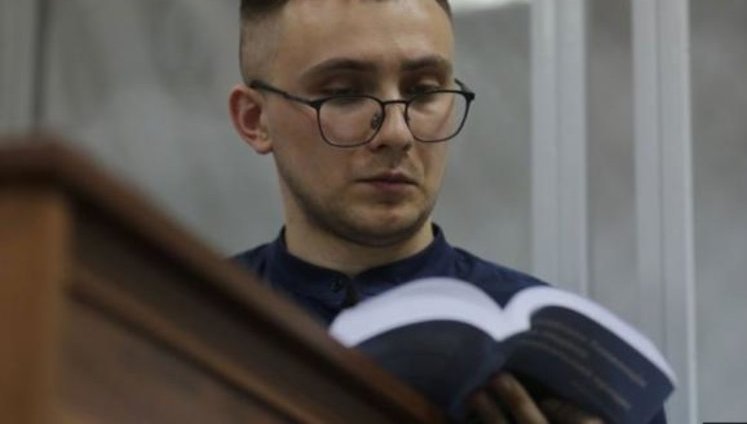
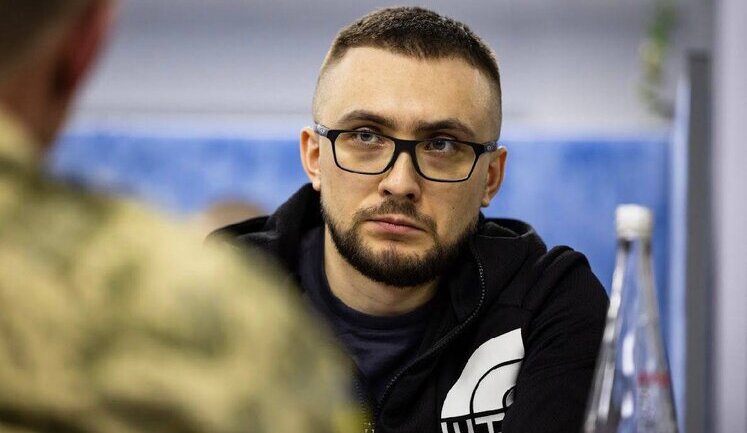
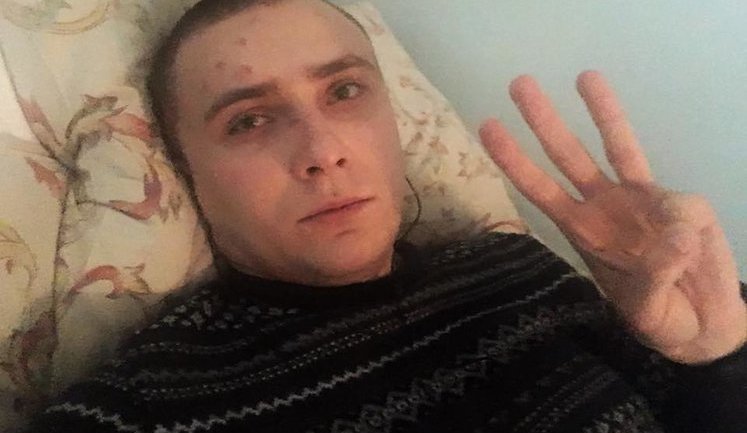
Serhii Sternenko, an activist and volunteer, is an influential figure in Ukraine. His stances on various political and military issues continue to spark debates across the nation. Recently, he criticized the Verkhovna Rada for not prioritizing military salaries in the 2026 budget, calling it a sign of capitulation. Alongside, though allegations arose about the Air Force banning the use of interceptor drones, Air Command "South" denied such claims, indicating complexities in wartime communication. Sternenko also highlighted issues within the defense procurement system, with a significant number of state-procured FPV drones being deemed unfit for use. His efforts in drone fundraising have showcased his commitment to fortifying Ukraine’s defenses. Sternenko’s activism also intersected with personal security concerns, evidenced by his use of an armored vehicle after an assassination attempt. These episodes underline his multifaceted role in Ukraine's socio-political fabric, advocating for military reforms and exposing administrative issues.
What are Serhii Sternenko's criticisms of the 2026 Ukraine budget?
Serhii Sternenko criticized the 2026 Ukraine budget for not including sufficient raises in military salaries, alleging that this oversight indicates the Verkhovna Rada's intention towards capitulation. He suggests that without adequate military funding, Ukraine’s defense could weaken, making it vulnerable to external threats. This highlights Sternenko's advocacy for prioritizing defense spending to ensure national security amidst ongoing conflicts.
What challenges did Sternenko highlight regarding drone use in Ukraine?
Sternenko pointed out significant challenges in Ukraine's drone procurement process, stating that up to 60% of state-procured FPV drones were unfit for use. This revelation underscores inefficiencies in the defense procurement process, emphasizing the need for rigorous standards and checks to ensure that all military equipment meets the necessary operational requirements, especially in current conflict circumstances.
What was the outcome of the claims regarding the ban on interceptor drones?
Serhii Sternenko claimed that the Air Force banned the use of interceptor drones, but Air Command "South" refuted these allegations. This situation highlights the complexities and potential misinformation conflicts in wartime communication. Despite the denial, such claims necessitate transparency and effective communication between military and civil entities to effectively manage public perceptions and foster trust.
How did Serhii Sternenko address personal security concerns?
Following the assassination attempt, Serhii Sternenko adopted increased security measures, including the use of a rented armored vehicle. This decision was part of a broader set of security strategies implemented after the killing of fellow activist Demian Hanul. Sternenko's approach underscores the heightened risks faced by political activists in Ukraine and the need for precautions to ensure their safety against potential threats.
What actions were taken against Sternenko's alleged attackers?
The suspect in the attempted assassination of Serhii Sternenko was remanded in custody, with charges including attempted murder and high treason, as served by the Security Service of Ukraine. This response illustrates the legal system's engagement in addressing threats against high-profile activists, aiming to deter further attacks and provide a measure of justice and security for targeted individuals.