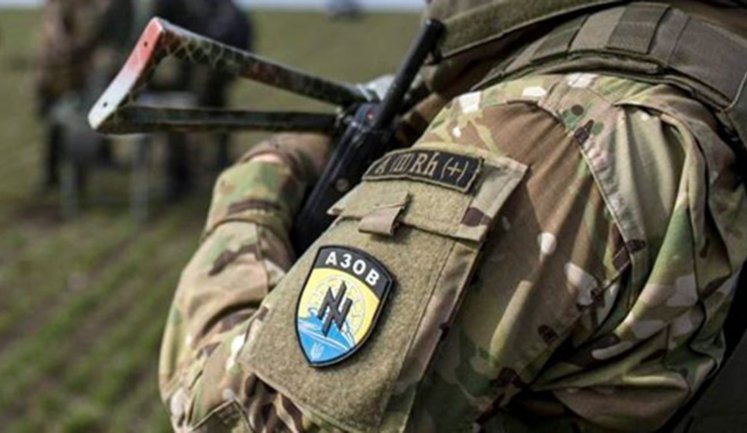
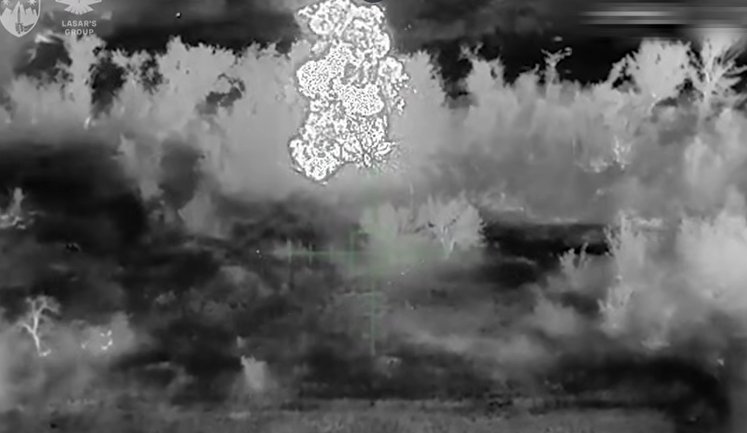
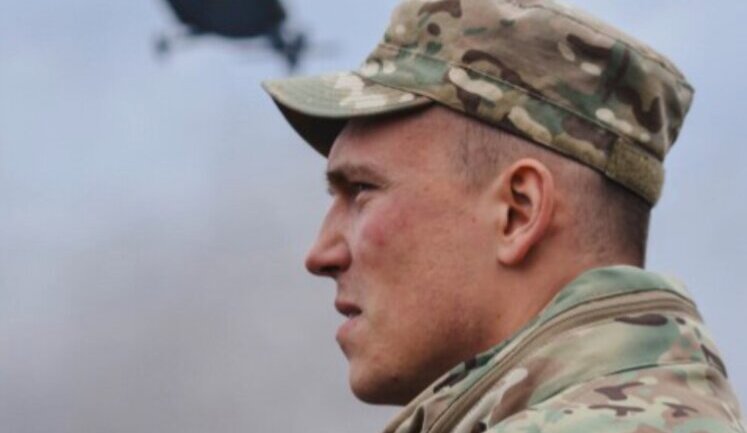
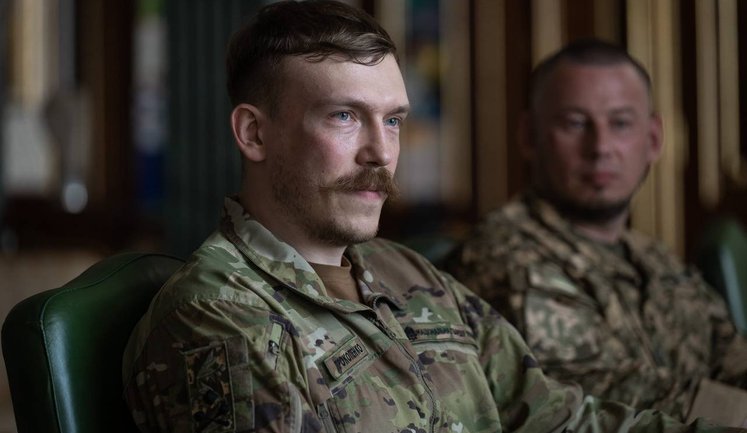
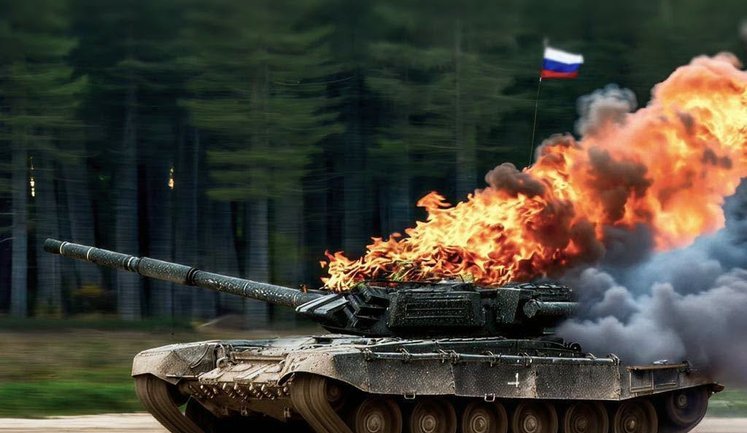
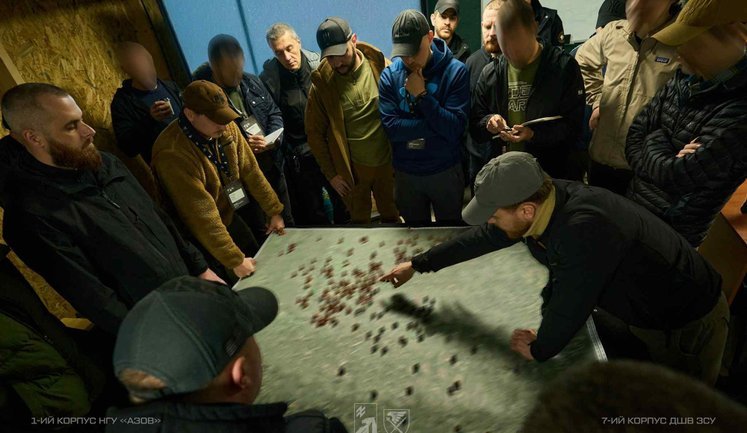
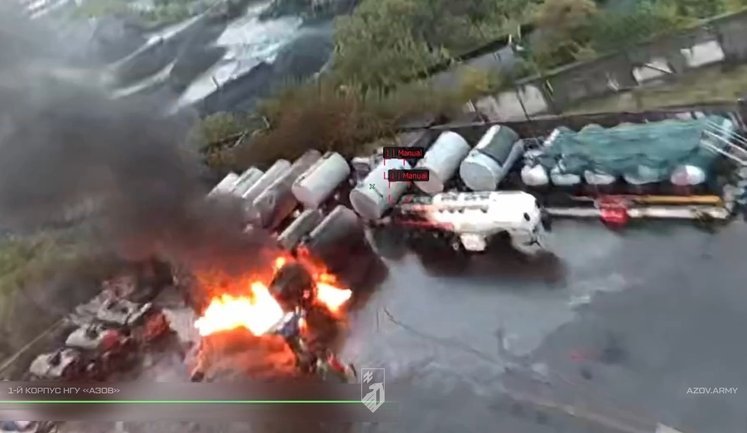
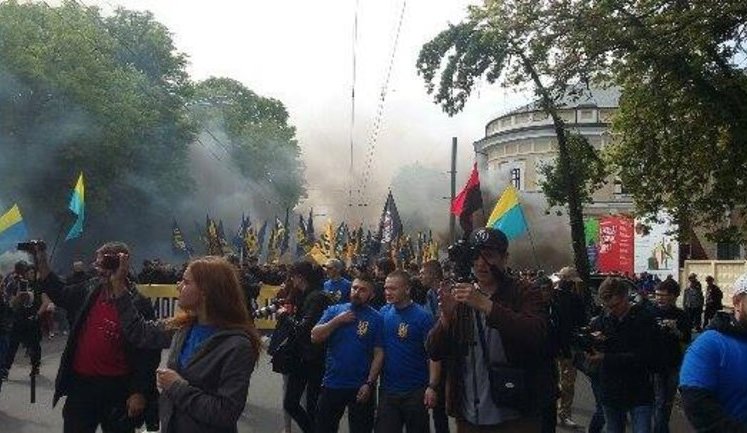
The Azov unit of the National Guard of Ukraine, led by Brigadier General Denys Prokopenko, plays a pivotal role in the ongoing defense efforts in the Donetsk region. Significant developments include the operational subordination of the 425th Separate Assault Regiment "Skelia" to Azov, enhancing their combat capabilities. In recent operations, Azov units have destroyed thousands of enemy vehicles and released vital combat updates for August. However, challenges remain, such as the absence of Azov fighters in recent prisoner exchanges, emphasizing the need for strategic changes to secure their release. Despite adversities, Azov continues to make substantial impacts through tactical operations like Operation "Hell-2," striking enemy supply lines and repelling assaults. These efforts highlight their crucial role in Ukraine's defense strategy against Russian forces.
What role does the Azov unit play in the Ukrainian defense strategy?
The Azov unit is integral to Ukraine's defense, engaging in strategic military operations, including repelling assaults and disrupting enemy logistics. The unit, part of the National Guard of Ukraine, plays a crucial role in deterring Russian forces, particularly in the Donetsk region, with effective combat operations led by Brigadier General Denys Prokopenko.
How has the leadership of the Azov unit changed?
In recent developments, Brigadier General Denys Prokopenko has assumed command of the Azov unit. His leadership marks a significant step in strengthening their operational capabilities and strategic oversight, coordinating effective responses to enemy advances and participating in key military operations in Ukraine.
What significant military operations has Azov been involved in recently?
The Azov unit has engaged in several critical military operations, including Operation "Hell-2," which targeted enemy fuel supply lines in the Donetsk region. Additionally, they have consistently disrupted Russian logistical setups through strategic assaults, significantly affecting enemy capabilities and contributing to Ukraine's defensive efforts.
What impact has Azov made in recent combat operations?
Recently, the Azov unit boasts substantial impact in combat operations, having eliminated thousands of Russian occupiers and destroyed significant military hardware. Their strategic engagements and tactical acumen have played a pivotal role in reinforcing Ukrainian positions and deterring enemy advances across critical fronts.
What challenges are facing the Azov unit regarding prisoner exchanges?
One major challenge facing the Azov unit is the exclusion of its fighters from recent prisoner exchanges with Russia. This situation highlights the complexities and difficulties in securing the release of captured Azov personnel, necessitating strategic diplomatic and operational changes to address these concerns effectively.
How is the Azov unit enhancing its operational capabilities?
Enhancements in the Azov unit's operational capabilities are seen through new command structures, such as the integration of the 425th Separate Assault Regiment "Skelia" under Azov's command, and through acquiring modern technology and firearms, which strengthens their ability to conduct effective and tactical operations against Russian forces.