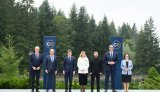
Austria plays a pivotal role in the ongoing Ukraine conflict through its diplomatic efforts, humanitarian aid, and cooperation on recovery projects. Recently, Austria agreed to develop a recovery roadmap with Ukraine, focusing on specific projects and partnerships to support Ukraine's infrastructure. Additionally, Austria has joined the effort to establish a special tribunal against the Russian Federation, highlighting its commitment to justice. The country balances its diplomatic stance with EU sanctions, sometimes acting as a mediator in bringing peace talks forward. Austria’s involvement in these international issues underscores its strategic importance in European geopolitics.
How is Austria involved in Ukraine's recovery efforts?
Austria has agreed to collaborate with Ukraine by developing a recovery roadmap that outlines specific projects and partnerships. This initiative aims to mobilize resources and support the country's infrastructure development, marking a significant contribution to Ukraine's post-conflict reconstruction.
Why did Austria join the special tribunal against Russia?
Austria's participation in the special tribunal against Russia is part of its broader commitment to uphold international law and justice. By joining this tribunal, Austria sends a strong message of support for accountability and the rule of law, aiming to address alleged war crimes in Ukraine.
What was discussed in the informal talks held in Vienna regarding Ukraine?
The informal talks in Vienna involved former diplomats from the UK, France, Germany, and Russia discussing potential conditions for future peace negotiations concerning the war in Ukraine. These discussions are pivotal in exploring diplomatic avenues to resolve the ongoing conflict.
What is Austria's stance on EU sanctions against Russia?
Austria has shown a complex stance towards EU sanctions against Russia, sometimes acting as a mediator to facilitate discussions. While supporting the sanctions, Austria also highlights the need for diplomatic engagements and has been involved in delaying decisions for strategic discussions, reflecting its nuanced approach to the geopolitical landscape.
How has Austria contributed to humanitarian aid in Ukraine?
Austria has provided significant humanitarian aid to Ukraine, including financial assistance worth millions of euros and equipment transfers for Ukraine's energy sector. These efforts are part of Austria's broader commitment to support Ukraine during the conflict and its recovery phase, demonstrating solidarity and international cooperation.
What was the outcome of the discussions between Zelenskyy and Austrian leaders?
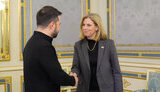
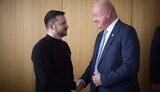
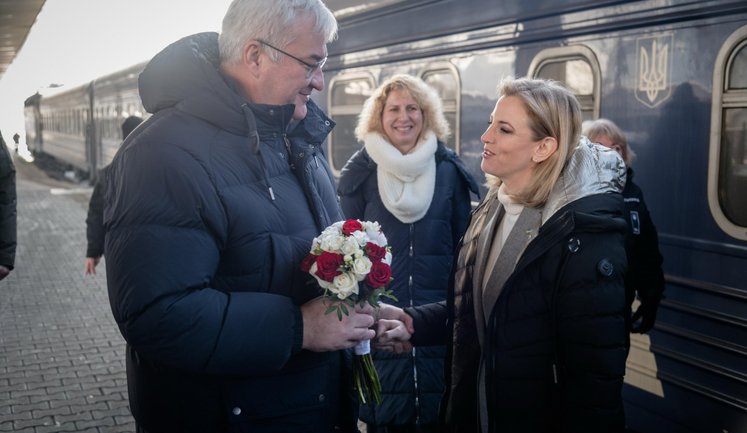
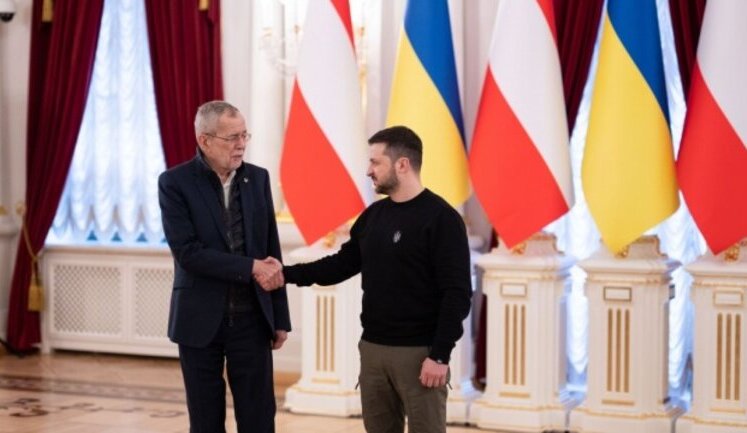
Meetings between Ukrainian President Zelenskyy and Austrian leaders, including the Foreign Minister and Chancellor, have focused on defense support and the reconstruction of Ukraine. These discussions reaffirm Austria's diplomatic and logistical support for Ukraine, emphasizing efforts to secure a just and lasting peace.
How does Austria view its neutrality in the context of current international relations?
Austrian leaders, including Foreign Minister Meinl-Reisinger, have indicated that traditional neutrality may not offer sufficient protection in the current geopolitical climate. Austria is re-evaluating its security policies, reflecting on whether neutrality serves its national interests amidst Europe's evolving security challenges.