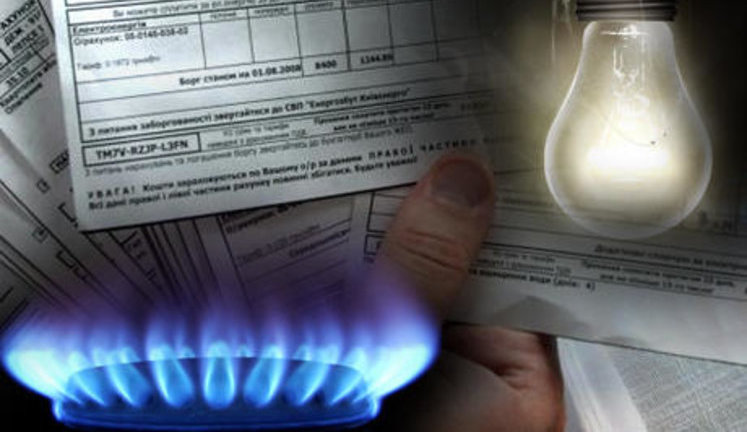
The National Energy and Utilities Regulatory Commission (NCREPU) plays a pivotal role in Ukraine's energy landscape, overseeing significant changes in tariffs and board compositions. Recently, President Volodymyr Zelenskyy discussed with Prime Minister Yulia Svyrydenko on overhauling energy regulations, signaling impending leadership changes including the new head at the State Property Fund. One noteworthy development is the unchanged household gas tariffs, providing stability against recent energy market fluctuations despite broader economic challenges. Meanwhile, criticism has surfaced over NCREPU's decision to hike the electricity transmission tariff by 29.8% starting in 2025, impacting industry costs and tax revenues. These decisions reflect the Commission's ongoing attempts to balance economic demands with public expectations, as stakeholders closely watch actions and reforms initiated by Ukraine's energy sector regulators.
What is the role of the National Energy and Utilities Regulatory Commission in Ukraine?
The National Energy and Utilities Regulatory Commission of Ukraine (NCREPU) is responsible for setting and regulating tariffs in the energy sector, managing market operations, and overseeing regulatory compliance to ensure fair energy distribution practices. It plays a critical role in shaping energy policy and price structures for consumers and industries alike, aiming to balance economic efficiency with public needs.
How did the recent leadership changes impact the National Energy Commission's decisions?
Recent leadership changes, including proposed new appointments by President Zelenskyy, aim to rejuvenate the Commission's management approach, potentially leading to more transparent and efficient decision-making processes in energy regulations and policies. Such changes aspire to restore public confidence and align energy strategies with national goals.
Why did NCREPU decide to maintain unchanged gas tariffs for households?
NCREPU's decision to keep household gas tariffs stable reflects an effort to shield consumers from market volatility and economic pressures. By maintaining current rates, the Commission hopes to provide economic relief and predictability during uncertain economic conditions, despite exploring other cost adjustments in the industry.
What are the implications of increased electricity transmission tariffs?
Increasing electricity transmission tariffs by 29.8% could lead to broader economic ramifications, primarily affecting industries reliant on energy intensive operations. It may result in higher production costs, reduced capacity utilization, and subsequent impacts on employment and tax contributions, raising concerns among stakeholders about the long-term economic implications.
How does NCREPU manage regulatory compliance and market fairness?
NCREPU ensures market fairness through stringent regulatory frameworks that mandate compliance with established tariffs and operational guidelines. Their oversight efforts aim to prevent monopolistic practices, promote competitive markets, and ensure equitable access to energy resources, all of which are vital for sustainable sector development.