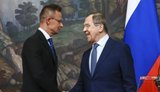
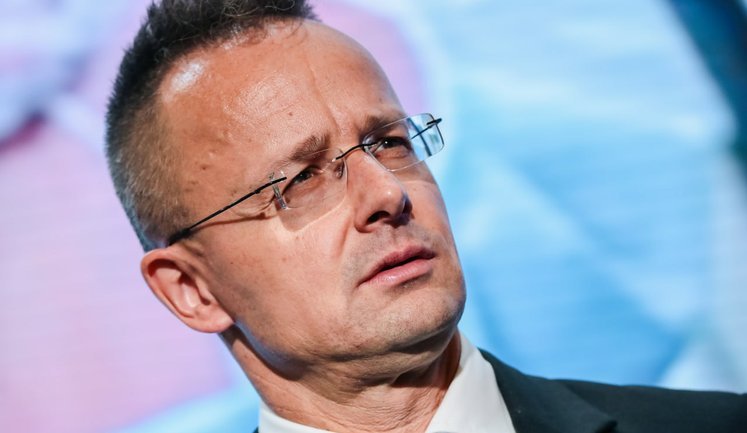
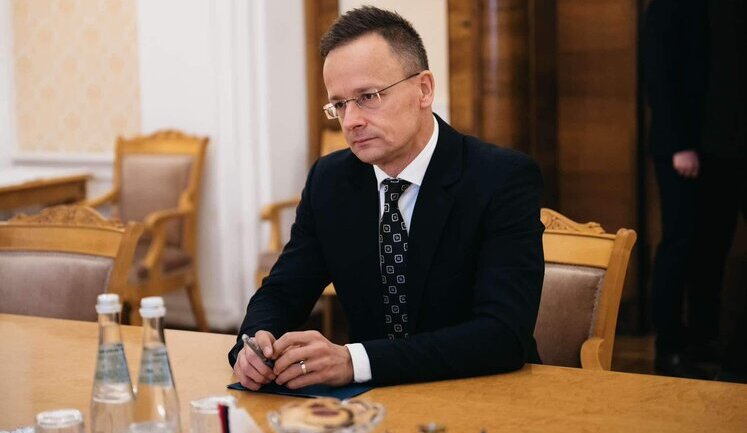
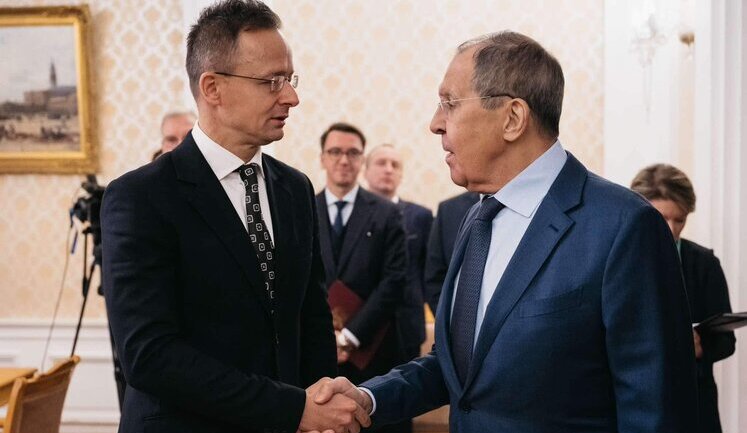
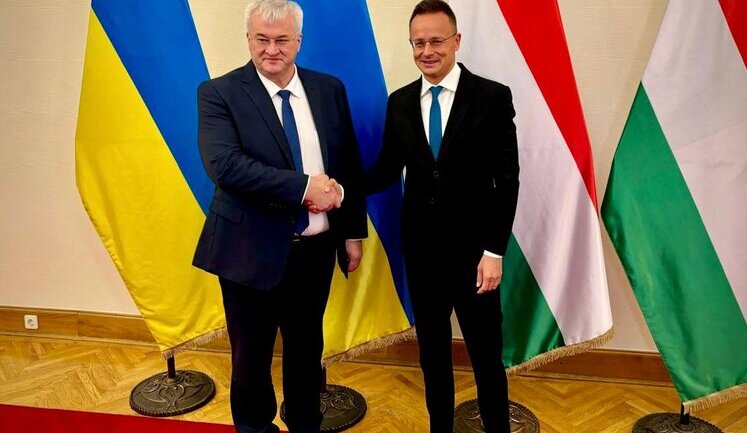
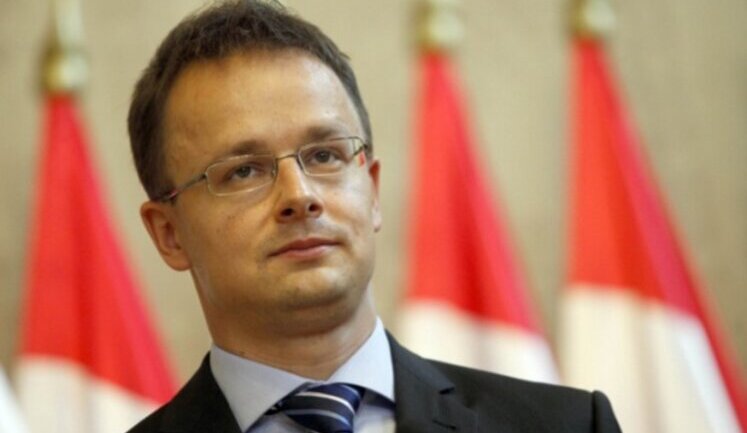
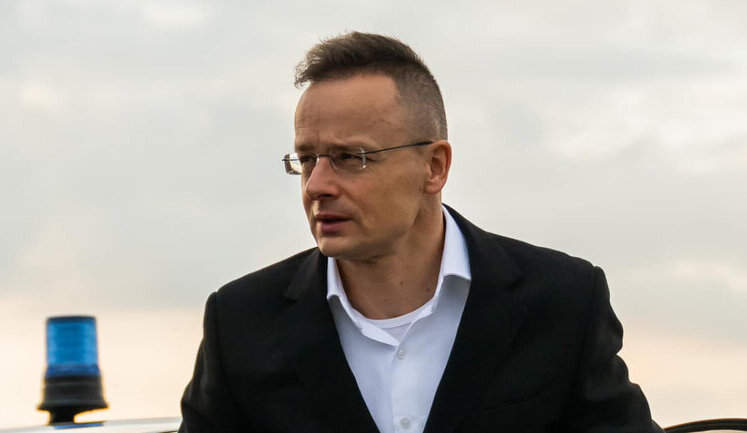
Peter Szijjártó, Hungary's Foreign Minister, has been at the center of international controversy. From his clandestine talks with Russian Foreign Minister Sergey Lavrov regarding sanctions and Ukraine's EU accession to his handling of energy policies amid EU restrictions, Szijjártó's diplomatic strategies raise eyebrows. His regular communication with Lavrov during EU meetings, leaked conversations, and claims about Turkish Stream attacks, reflect a complex web of Hungary's foreign policy stance. Additionally, his defense of Hungarian energy interests in court challenges against EU decisions underscores Hungary's resistance to fully aligning with EU's sanctions against Russia.
What are the main controversies involving Peter Szijjártó?
Peter Szijjártó has been embroiled in controversies such as leaked communications with Russian Foreign Minister Sergey Lavrov, accusations of Ukraine targeting pipelines, and his resistance to EU sanctions on Russia. These issues highlight Hungary's delicate balancing act between its international obligations and national interests in energy security.
How has Hungary reacted to EU sanctions on Russia?
Under Szijjártó's leadership, Hungary has been critical of the EU sanctions on Russia, challenging these in the European Court of Justice. Szijjártó emphasizes Hungary's energy needs and domestic economic security as key reasons for opposing stringent sanctions, indicating a strong stance on maintaining energy imports from Russia.
How has Szijjártó's diplomacy affected Hungary's international relations?
Szijjártó's diplomacy, characterized by close ties with Russia and a critical stance towards EU policies, has led to strained reports with EU member states. His actions, such as consistent communication with Lavrov and defending Hungary's energy security, often place Hungary at odds with EU collective decisions.
What role does Peter Szijjártó play in Hungary's energy policy?
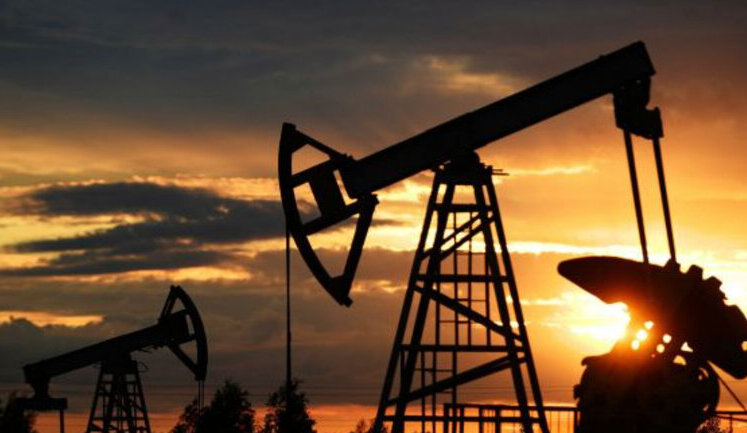
As Hungary's Foreign Minister, Szijjártó is instrumental in shaping the country's energy policy. His strong advocacy for continued oil and gas imports from Russia focuses on securing Hungary's energy needs, while he actively challenges EU moves to prohibit Russian energy resources, aiming to protect Hungary's economic and energy interests.
What specific actions has Szijjártó taken regarding Ukraine's policies?
Szijjártó has been vocal about Ukraine's actions impacting Hungary, such as alleging attacks on the Druzhba oil pipeline. He also criticized Ukraine's purportedly forcing mobilization of Hungarians in Transcarpathia, suggesting EU sanctions against Ukrainian officials, indicating Hungary's sensitive stance on regional security and minority protection.