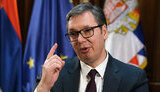
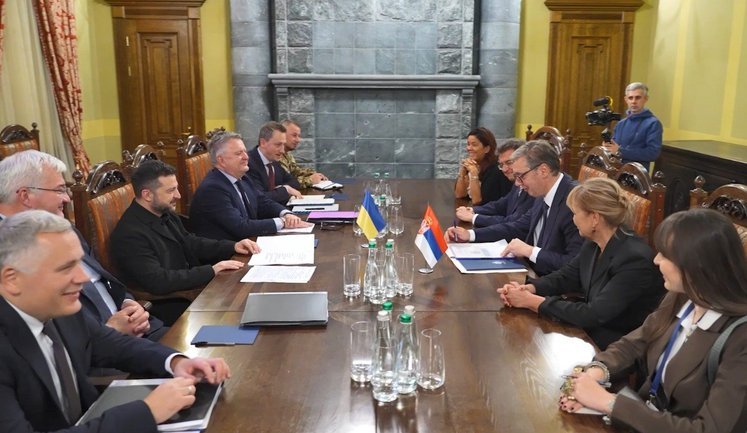
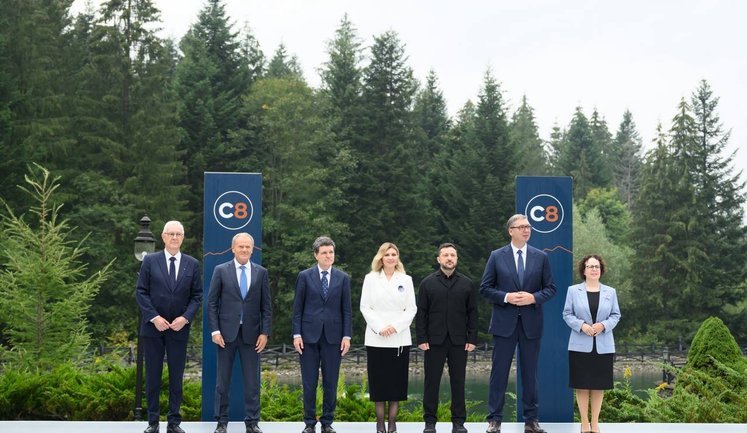
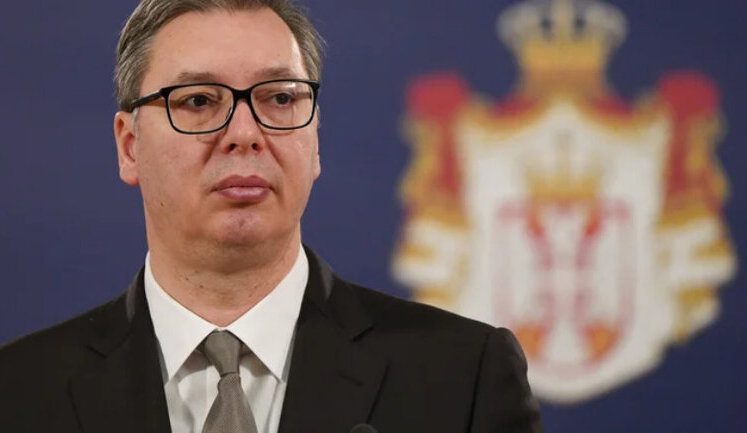
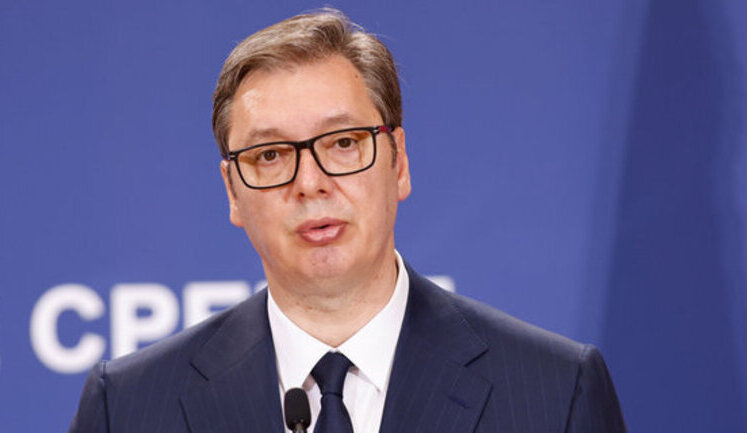
Serbian President Aleksandar Vučić has been vocal about the ongoing geopolitical tensions involving Russia and Ukraine. He expressed skepticism about a swift resolution to the conflict, highlighting the potential for another harsh winter in Ukraine. Despite this, Vučić remains supportive of Ukraine's ambitions to join the European Union, advocating for the opening of negotiation clusters. He has engaged in direct talks with Ukrainian President Volodymyr Zelenskyy, focusing on strengthening bilateral relations and discussing regional security concerns. Vučić's diplomatic interactions extend beyond Ukraine, as evidenced by his planned attendance at the 'South-East Europe–Ukraine' summit and his strategic consultations with global leaders. His stance is significant as it shapes Serbia's position within the broader European political landscape, especially concerning EU integration and regional stability.
How does Vučić view the resolution of the Russia-Ukraine war?
Aleksandar Vučić is skeptical about a quick end to Russia's war against Ukraine, citing a lack of realistic solutions in sight. He fears Ukraine may face challenges in the coming winters, emphasizing the complexity of the geopolitical situation.
What is Serbia's position on Ukraine's EU membership?
Serbia, under Vučić's leadership, supports Ukraine's path toward EU membership and advocates for the opening of all negotiation clusters. This stance aligns with Serbia's own ambitions for EU integration and highlights a cooperative approach to European enlargement.
What topics were discussed in talks between Vučić and Zelenskyy?
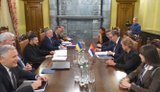
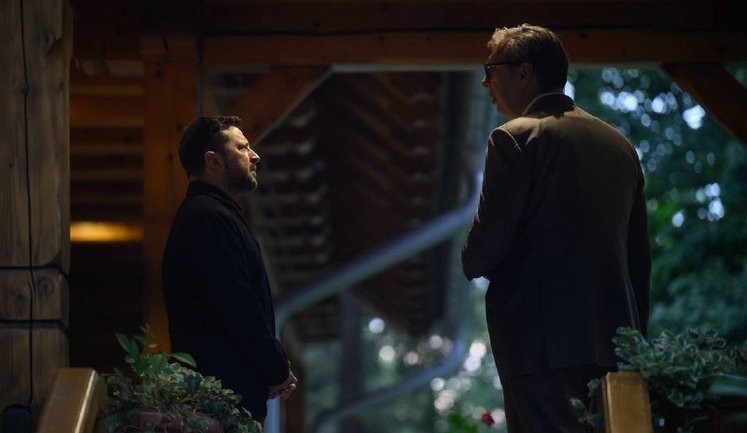
During their discussions, Presidents Vučić and Zelenskyy covered various issues related to bilateral relations, especially enhancing cooperation and addressing security concerns. They also considered the resumption of negotiations about a free trade area and regional stability matters.
How is Serbia balancing relations with Russia and Ukraine?
Serbia, led by Vučić, maintains a complex diplomatic balance, expressing military neutrality while engaging in active dialogue with Ukraine. Vučić has emphasized Serbia's commitment to EU integration, despite historical ties and economic agreements with Russia.
What are some upcoming diplomatic events involving Vučić and Ukraine?
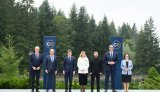
Aleksandar Vučić plans to participate in the 'South-East Europe–Ukraine' summit where further discussions with Ukrainian President Zelenskyy are expected to take place. These meetings aim to underscore cooperative efforts and mutual interests in geopolitical stability.
Why did Vučić meet with European leaders like Ursula von der Leyen?
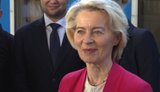
Vučić's meetings with leaders such as Ursula von der Leyen are part of Serbia's diplomatic strategy to strengthen ties with the EU. These interactions focus on sharing insights on regional security, economic integration, and collective responses to geopolitical tensions.
What is Serbia’s stance on the establishment of foreign military bases?
Serbia under Vučić has affirmed its stance against hosting any foreign military bases, ensuring the country retains its military neutrality amidst growing tensions in Europe. This policy is part of maintaining balanced diplomatic relations within the region.