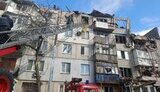
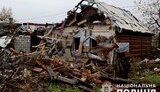
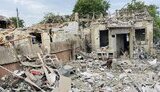
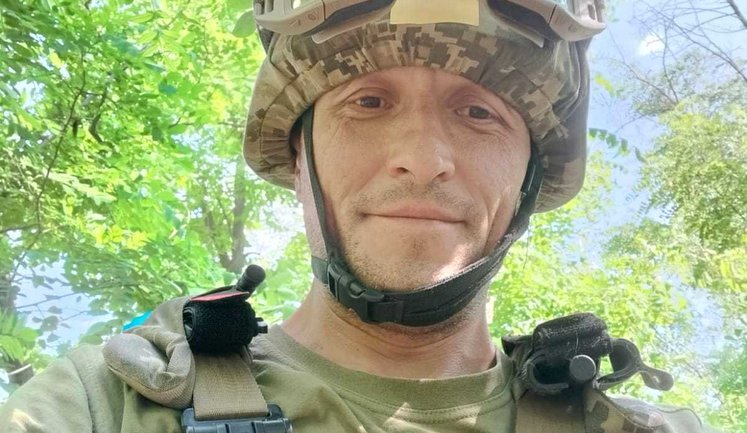
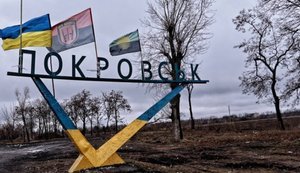
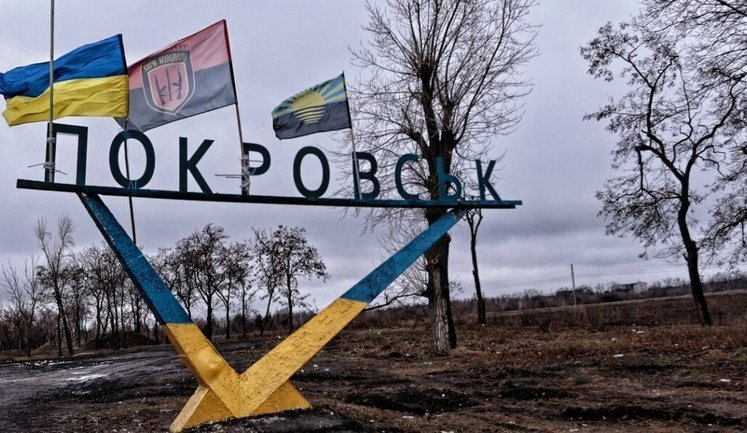
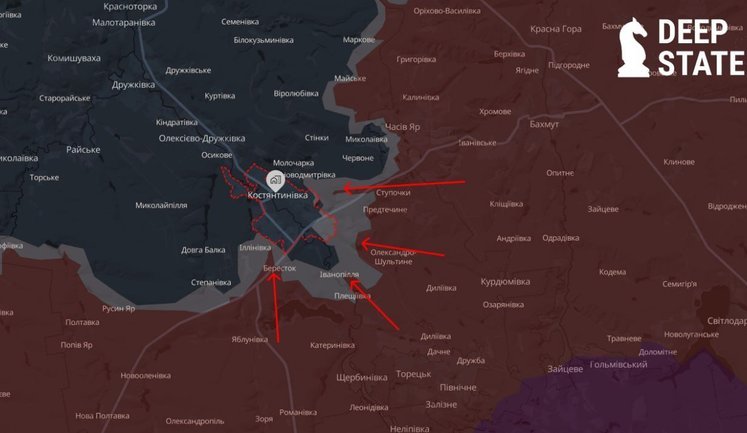
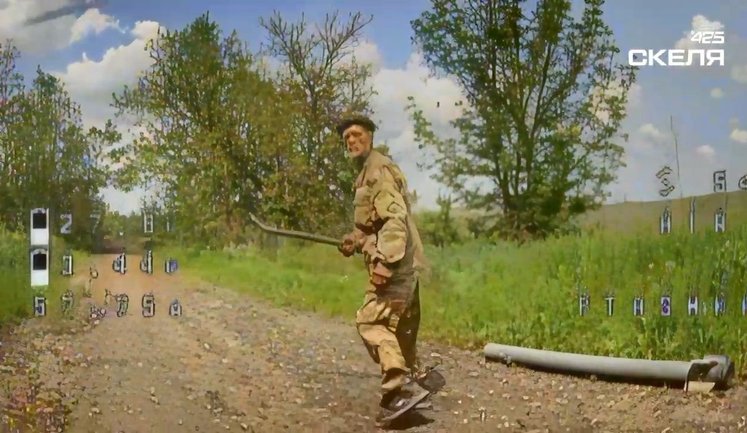
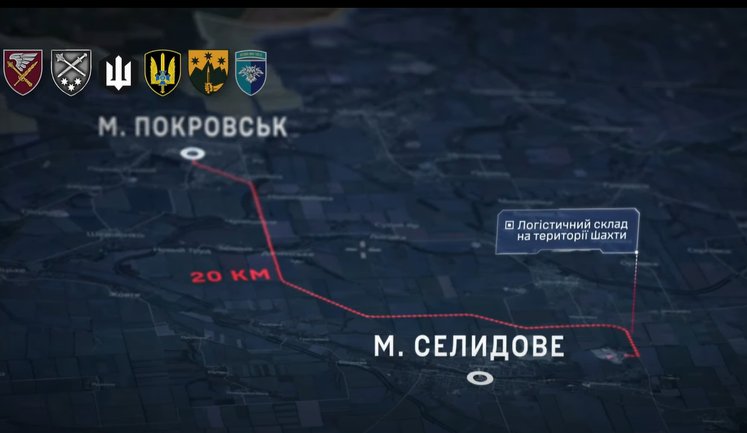
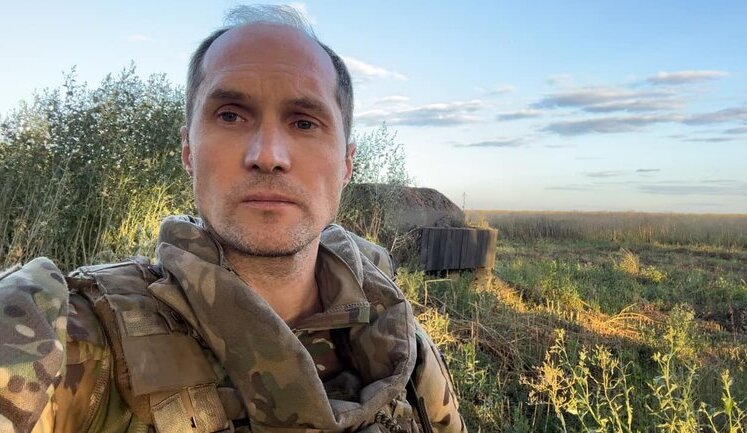
In 2026, the Pokrovsk direction in Donetsk region remains a focal point of intense military operations as Russian forces press their offensive. The 7th Air Assault Corps plays a crucial role in fending off enemy advances, utilizing unmanned systems and strategic defenses in response to Russia's buildup of troops and equipment in Pokrovsk and Myrnohrad. Despite Russia's efforts to capture Hryshyne and establish a foothold, Ukrainian forces maintain their resistance, employing drone strikes and reconnaissance missions. The ongoing battles have resulted in heavy casualties and demonstrate the escalating situation in the region.
What is the current situation in the Pokrovsk direction?
The Pokrovsk area in Donetsk region is experiencing intense military activity. Russian forces are intensifying their offensive, aiming to capture the urban area using increased artillery, infantry, and drones. Ukrainian forces are actively defending and conducting strikes to repel advances.
Why is Pokrovsk strategically important for both sides?
Pokrovsk's strategic significance lies in its location within the Donetsk region, making it a critical point for control and supply routes. Capturing Pokrovsk can allow Russian forces easier access into further territory, while Ukrainian defense seeks to prevent any strategic advances.
How have drone operations influenced the conflict in Pokrovsk?
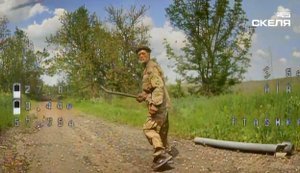
Drone operations have significantly impacted the conflict in Pokrovsk, providing reconnaissance, targeting, and striking capabilities. Units like the 7th Air Assault Corps have effectively used drones to conduct successful missions, hampering enemy movements and inflicting losses.
What are the main challenges faced by Ukrainian forces in Pokrovsk?
Ukrainian forces face several challenges in Pokrovsk, including continuous Russian troop reinforcements, advanced artillery, and tactical maneuvers aiming to encircle urban areas. The defense must remain adaptive to counter these pressures and maintain stronghold positions.
Who are the key military units involved in Pokrovsk operations?
Several key military units are involved in Pokrovsk operations, including Ukraine's 7th Air Assault Corps and the 25th Sicheslav Brigade. These units play pivotal roles in defending the area against Russian advances, utilizing advanced drone technologies and coordinated ground strategies.
What tactics are Russian forces using to try to capture Pokrovsk?
Russian forces are employing a combination of increased artillery firepower, heavy infantry assaults, and drone technology aimed at overwhelming defenses. They focus on taking key locations like Hryshyne and utilizing infiltration tactics to destabilize Ukrainian strongpoints around Pokrovsk.
How is the civilian situation affected by the fighting in Pokrovsk?
Civilians in Pokrovsk are facing dire situations due to ongoing military operations. The increased presence of heavy weaponry and indiscriminate fighting heights risk civilian casualties, leading to displacement and humanitarian concerns as essential services become interrupted.
What is Ukraine's long-term strategy for regaining control in Pokrovsk?
Ukraine's long-term strategy in Pokrovsk involves fortifying defense lines, increasing foreign military support, and leveraging advanced technology such as drones for tactical advantages. Their goal is to erode Russian capabilities while bolstering local morale and resistance.
Has there been any significant turning point in the Pokrovsk conflict recently?
While there have been numerous engagements and skirmishes, no significant turning point has decisively altered control in Pokrovsk. Both Ukrainian and Russian forces continue to adapt, bringing incremental advances and retreats as they vie for regional dominance in this strategic area.
What role does international assistance play in the conflict over Pokrovsk?
International assistance is critical for Ukraine in maintaining defense efforts over Pokrovsk. Support includes military aid, shared intelligence, and technical resources which aid in countering Russian advances and sustaining defensive operations in the region.