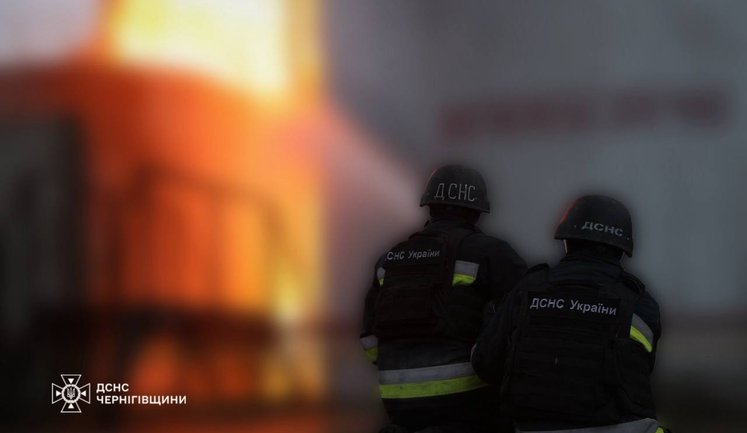
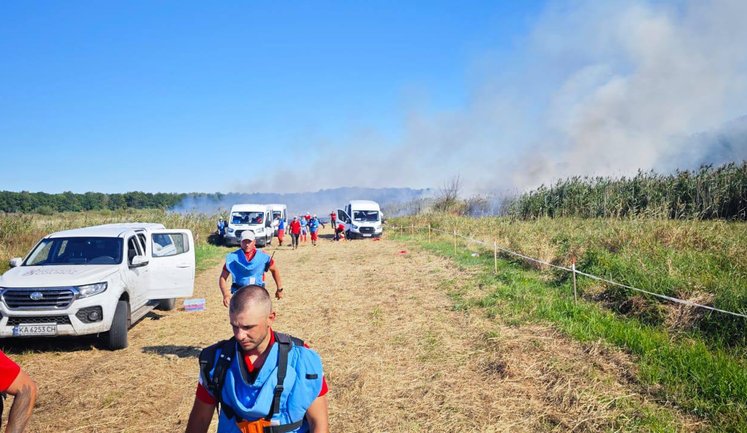
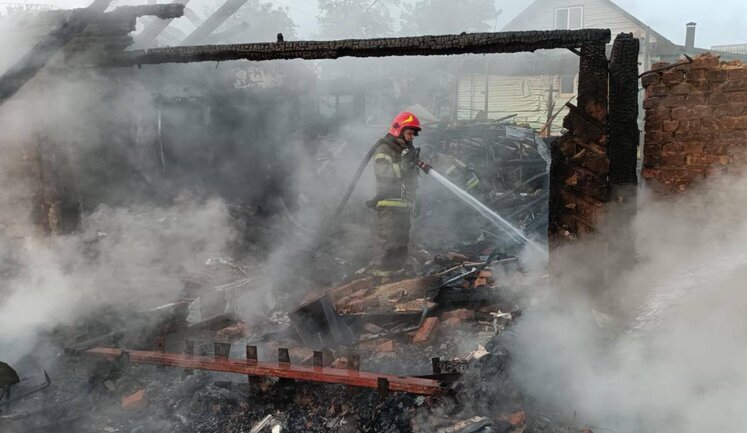
The Chernihiv region is under intense pressure as Russian forces escalate their attacks, primarily utilizing drones to target critical infrastructure and residential areas. Recent strikes have left communities devastated, with power outages affecting numerous villages due to damaged energy facilities. On March 29, a critical infrastructure site in Chernihiv was attacked, followed by damage to a timber plant and nursery school in Novhorod-Siverskyi. Despite air defense efforts, drones continue to wreak havoc; casualties include a 95-year-old man in a recent attack. The relentless shelling, including transport and railway infrastructure, highlights the conflict's severe impact on civilian life and regional stability.
What has been targeted in the Chernihiv region shelling?
The Chernihiv region has seen relentless attacks on various infrastructure, including energy facilities, transport infrastructure, residential areas, and critical sites like schools and hospitals. These attacks have caused significant damage and power outages, affecting daily life and regional operations.
How have recent attacks impacted power availability in the region?
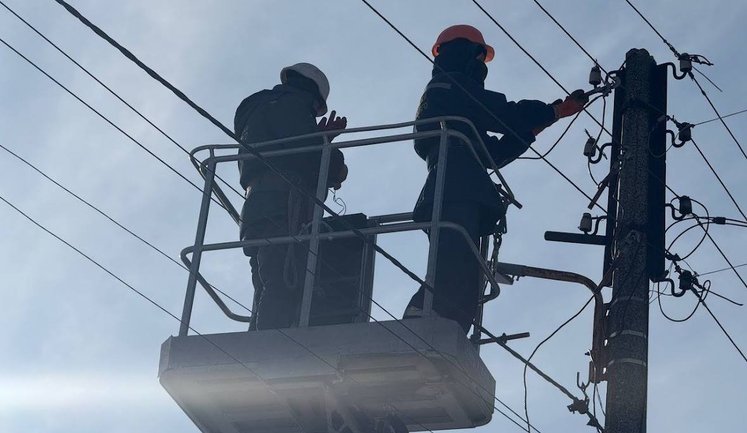
Recent drone and artillery attacks on energy facilities have resulted in widespread power outages across the Chernihiv region. Villages and towns are struggling with disrupted electricity supply, affecting households and essential services. Restorative efforts are ongoing amid ongoing conflict challenges.
What type of weaponry are Russian forces using in these attacks?
Russian forces have been using a combination of drones, artillery, and missile strikes to attack the Chernihiv region. Recent reports highlight the use of "Gerans" drones which are particularly destructive to both infrastructure and civilian targets, intensifying the conflict's toll on the region.
What has been the response of local authorities to the attacks?
Local authorities in the Chernihiv region are focused on mitigating damage, restoring essential services, and ensuring civilian safety. Emergency responses include deploying air defense systems and working on rapid restoration of affected facilities, despite ongoing security challenges.
Have there been casualties due to the shelling in the Chernihiv region?
The shelling of the Chernihiv region has resulted in multiple casualties, including both fatal and non-fatal injuries among civilians and military personnel. Recent attacks have notably killed a 95-year-old man and injured others, underscoring the severe humanitarian impact of these operations.
Is there any international response to the shelling of Chernihiv?
International responses to the shelling of Chernihiv have primarily been diplomatic, with calls for immediate cessation of hostilities and respect for humanitarian law. Various international bodies have condemned the attacks and are considering relief efforts and sanctions to support Ukraine.
How has the community in Chernihiv responded to ongoing attacks?
The community in Chernihiv has shown resilience amidst the ongoing attacks, with residents working to support each other and assist in restoration efforts. Volunteer groups and local organizations are actively involved in delivering aid and helping victims of the shelling.
What measures are being taken to protect civilians in Chernihiv?
To protect civilians, authorities in Chernihiv have increased security measures, including the deployment of air defenses and construction of shelters. Public awareness campaigns aim to keep residents informed on safety protocols during attacks, aiming to minimize casualties.
How frequent are the drone strikes in the Chernihiv region?
Drone strikes in the Chernihiv region have become more frequent as part of an intensified strategy by Russian forces. The use of drones like "Gerans" is part of larger military operations, causing severe disruption and posing ongoing threats to regional security and safety.
What is the current state of infrastructure in Chernihiv following attacks?
The infrastructure in Chernihiv has been severely damaged due to the recent wave of drone and artillery attacks. Critical facilities such as energy, transport, and community centers have been particularly targeted, leading to infrastructure crisis and ongoing repair challenges.