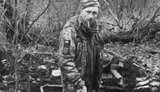
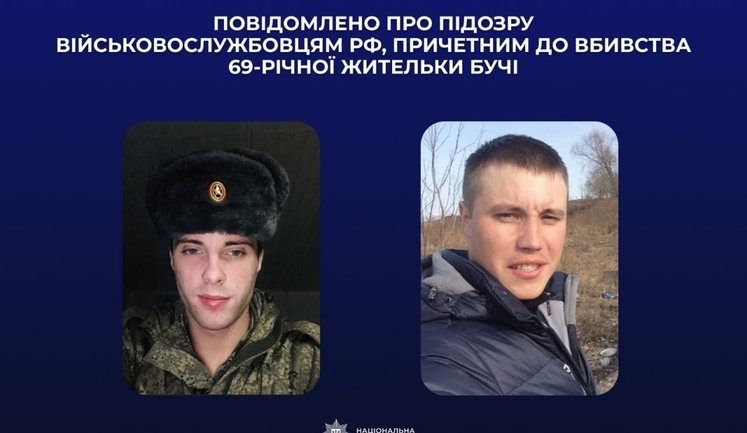
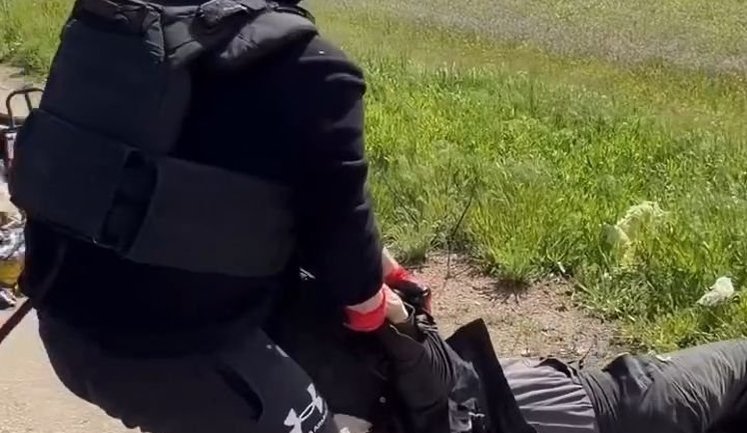
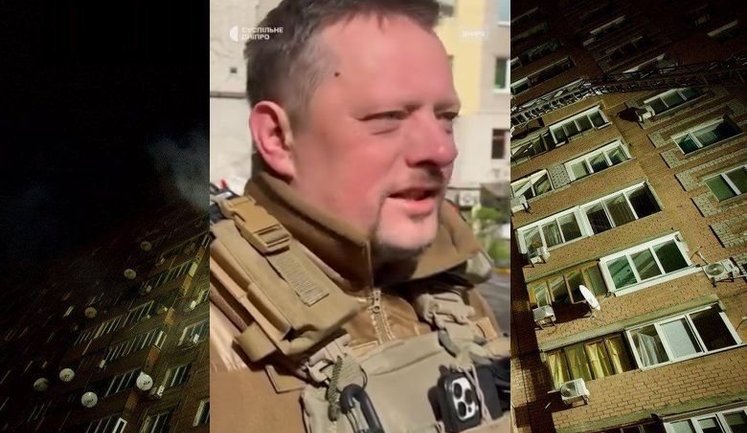
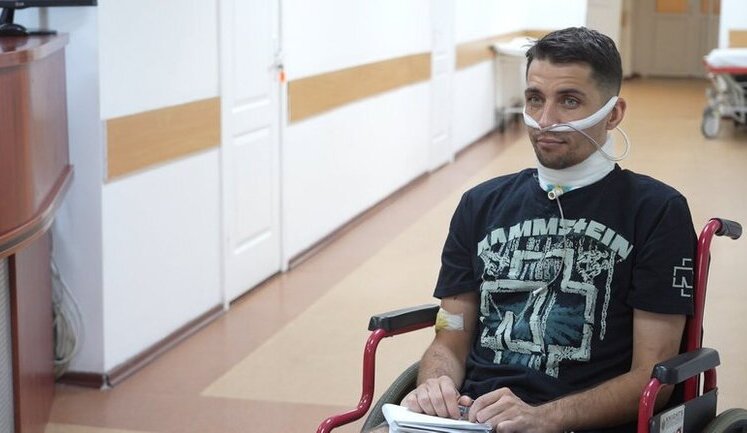
Russian forces in Ukraine continue to commit heinous war crimes, from aerial bombings of residential areas to the execution of prisoners of war (POWs). Notable incidents include a three-tonne bomb that razed a block in Kostiantynivka and the brutal execution of Ukrainian soldiers. The Prosecutor General reported nearly 900 crimes in Bucha alone, with more across the country. High-profile trials continue, with convictions for crimes such as those by Russian soldiers in Kherson and Bucha. The world watches as Ukraine and international bodies work to bring justice for these brutal acts and hold perpetrators accountable, with increasing calls for a special tribunal.
What evidence exists of Russian war crimes in Ukraine?
Ample evidence, including videos and eyewitness accounts, substantiate reports of Russian war crimes in Ukraine. Investigations reveal executions of POWs, bombings of civilian areas, and the systematic destruction of infrastructure. Notably, the bombing of Kostiantynivka and the execution of soldiers in Donetsk highlight the ongoing violations of international law by Russian forces.
How many Russian war crimes have been recorded in Bucha?
In Bucha, nearly 900 war crimes were recorded by the office of Prosecutor General Cleve and associated UN bodies. These incidents include unlawful killings, torture, and other severe violations. The international community and Ukrainian authorities are pressing for detailed accountability and justice for these crimes as they continue to surface.
What actions have been taken against Russian war criminals?
Legal actions against Russian war criminals involved indictments, trials, and sentences for perpetrators. Courts in Ukraine have sentenced numerous soldiers to significant terms, including life imprisonment, for acts such as the execution of civilians and the torturing of POWs, underlining international law's reach in ensuring accountability.
What is the international community's response to Russian war crimes?
The international community, including the European Union and human rights organizations, has imposed sanctions and is actively collaborating with Ukrainian efforts to document these crimes. Collaborative investigations and calls for international tribunals aim to address these severe violations of war protocols and bring justice to the victims.
How do these atrocities affect civilian life in Ukraine?
The warfare and targeted attacks perpetrated by Russian forces have devastatingly disrupted civilian life across Ukraine. There is widespread devastation of property, forcible displacements of people, and traumatic disruptions to daily life. Continuous attacks and evidence of war crimes severely impact the mental and physical wellbeing of Ukrainian citizens.
What role does the Ukrainian government play in documenting these crimes?
The Ukrainian government actively documents and investigates war crimes with various departments, including the Office of the Prosecutor General collaborating with international agencies to ensure comprehensive evidence collection. This effort is crucial for future tribunals and reparations proceedings aimed at ensuring justice and accountability.
What specific war crime incidents have been documented in Donetsk region?
In the Donetsk region, numerous war crimes include the destructive bombing of Kostiantynivka and targeted drone strikes on civilian evacuations. These attacks resulted in significant casualties and widespread infrastructure devastation, prompting extensive international condemnation and calls for legal accountability against the perpetrators.
Are there ongoing efforts for international trials for these crimes?
Yes, ongoing efforts, including proposed special tribunals and legal processes open to international oversight, seek to try perpetrators of these war crimes. Discussions involve international law bodies, European partners, and Ukrainian authorities, reflecting global intent to enforce accountability and justice for these grave violations.
How are Ukrainian POWs affected by Russian war crimes?
Ukrainian POWs have faced extreme brutality, evident in documented executions and torture at the hands of Russian forces. These actions signify severe breaches of the Geneva Conventions and have attracted international condemnation, prompting calls for stronger protective measures and retributive legal actions against those responsible.
What repercussions do Russian war crimes have on international diplomatic relations?
The revelation of Russian war crimes has strained diplomatic ties globally, with numerous countries imposing sanctions and reassessing their political stances on engagement with Russia. This has led to increased international isolation for Russia, with concerted efforts to hold its government accountable through multilateral platforms and discussions.