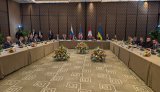
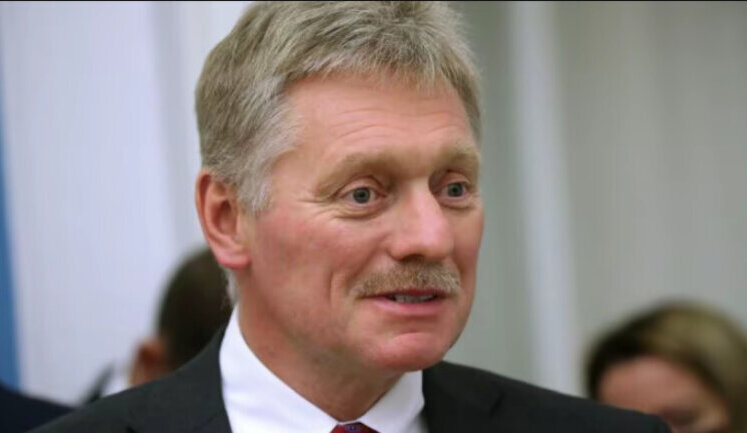
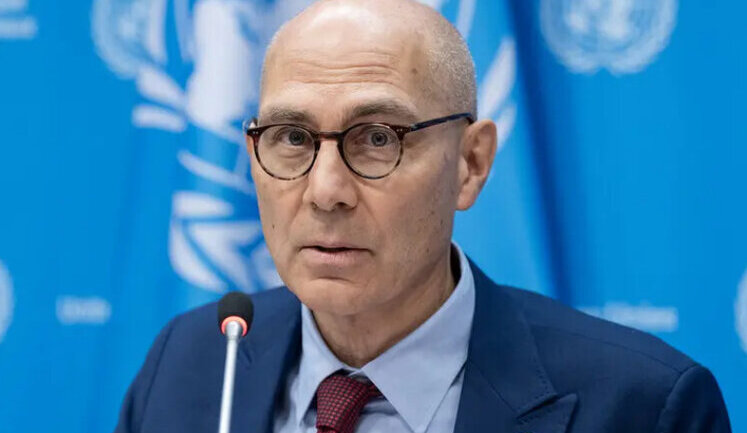
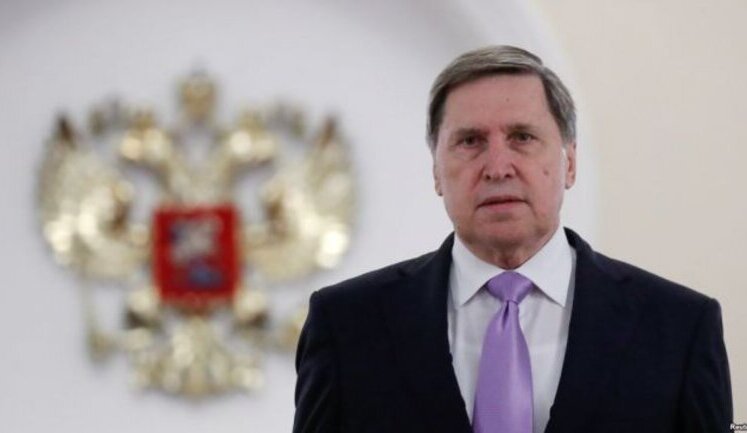
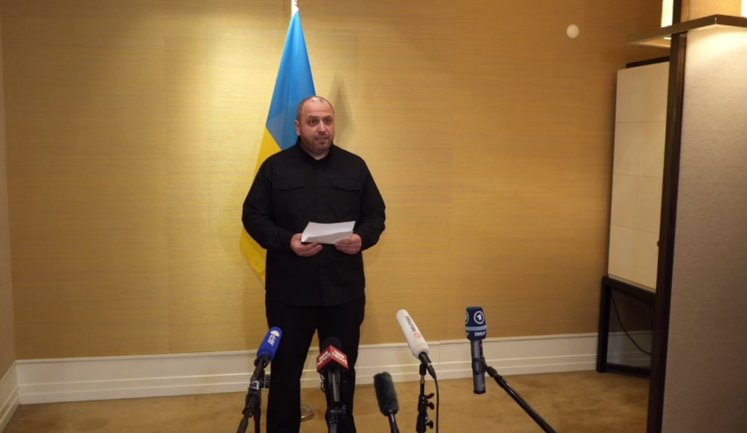
Recent negotiations between Ukraine and Russia have resulted in disappointing progress, particularly concerning territorial disputes. Dmitry Peskov, spokesperson for the Russian government, confirmed that no advancements have been made regarding these contested areas. Meanwhile, trilateral talks involving the United States remain on hold, although participating teams maintain daily communications. These postponements are partially due to unfolding events in the Middle East. Turkish authorities have extended an offer to host future discussions, potentially facilitating a new round of negotiations. In Geneva, President Zelenskyy noted some initial military planning agreements but emphasized the need for political will to cease hostilities. The European political landscape reflects this urgency, with some leaders advocating for renewed dialogue with Russia to navigate geopolitical strains. Despite diplomatic overtures, achieving concrete results in the Ukraine-Russia negotiations remains complex, given the multifaceted international and domestic dynamics at play.
What progress has been made in Ukraine-Russia negotiations?
Despite ongoing diplomatic efforts, limited progress has been achieved, especially on territorial issues such as Donbas. Talks have often reached an impasse, underscoring the challenges in finding common ground between the involved parties.
How are geopolitical developments affecting Ukraine-Russia negotiations?
Geopolitical events, especially in the Middle East, have caused delays in discussions. Additionally, Europe's need to navigate political dialogue with Russia amid broader security concerns complicates the negotiation landscape.
What role does Turkey play in Ukraine-Russia negotiations?
Turkey has expressed willingness to serve as a host for future talks between Ukraine and Russia, potentially offering a neutral venue for negotiations. This could aid in facilitating dialogue amid the standoff.
What is the significance of the Geneva talks for Ukraine-Russia relations?
Geneva talks represent a series of crucial diplomatic engagements involving the US, aimed at resolving the conflict. While discussions have addressed military and security arrangements, political resolution remains elusive.
How do European leaders view future political dialogues with Russia?
European leaders, such as Finnish President Stubb, acknowledge the potential need for political dialogue with Russia to manage regional stability, though they recognize this era of peace might require redefined approaches.
What are the main obstacles in the negotiations between Ukraine and Russia?
The main obstacles include entrenched territorial issues, particularly related to Donbas, divergent political objectives, and external geopolitical events that impact the timing and focus of negotiations.
Is there any optimism about reaching peace through current negotiations?
There is restrained optimism, with signs of potential agreements on military monitoring of the ceasefire. However, lasting peace depends on resolving deep-rooted territorial disputes and political differences.