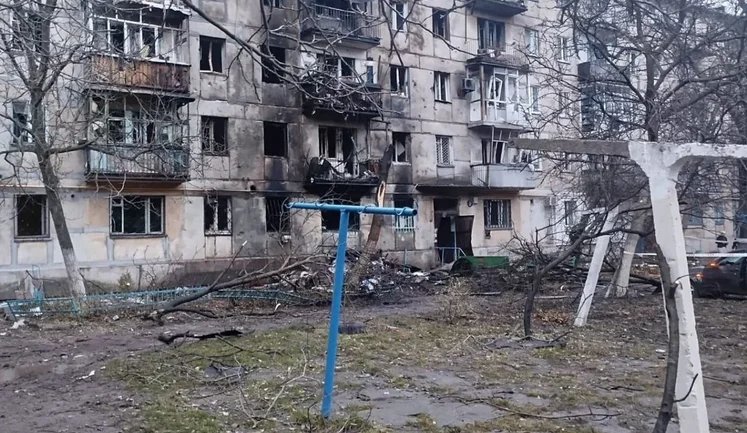
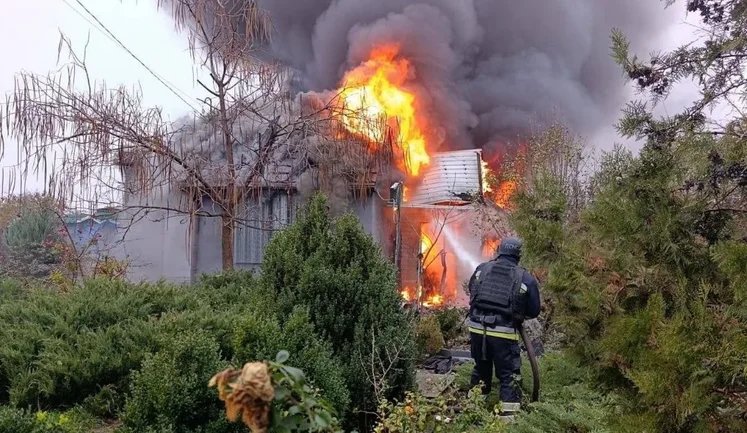
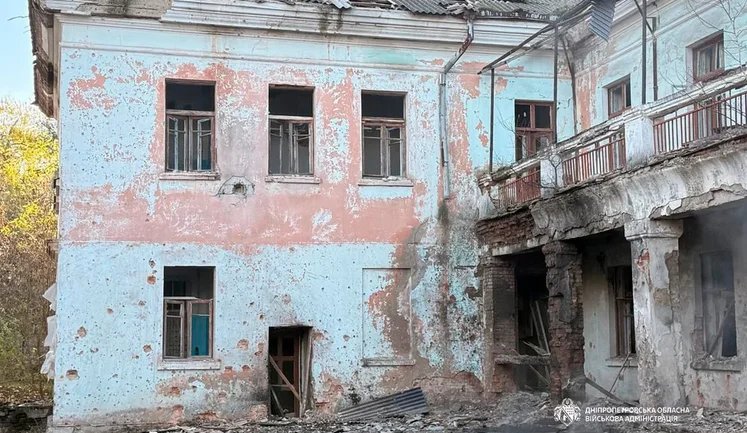
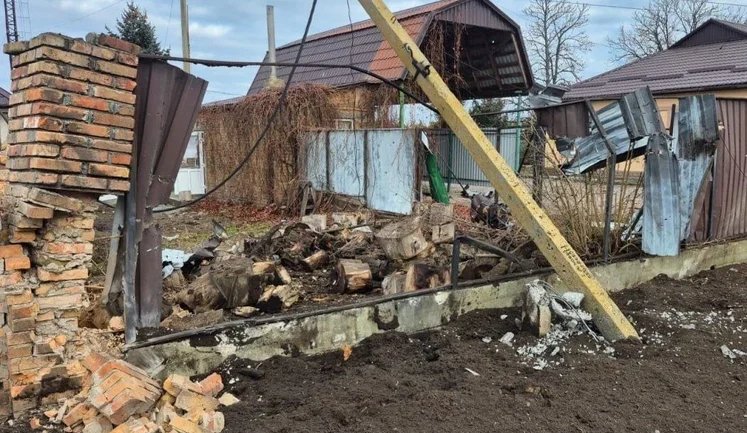
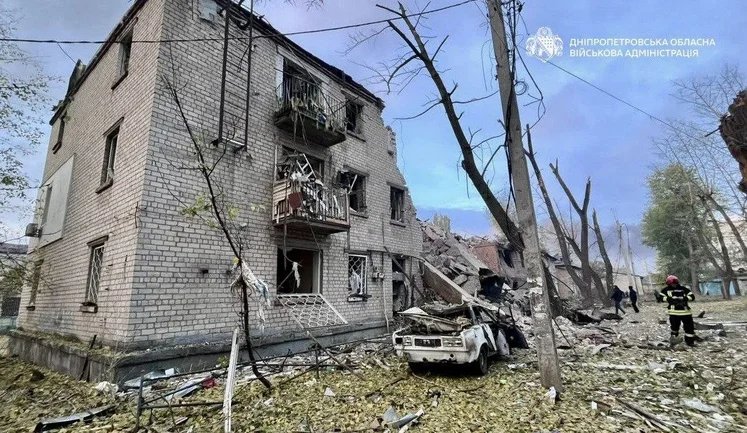
Recent Russian military actions have intensified in the Dnipropetrovsk region, leading to significant damage and loss of life. The attacks on Zhovti Vody, Kryvyi Rih, and Pavlohrad have resulted in numerous casualties, with injuries reported and substantial infrastructure damage. Critical facilities, including "Naftogaz" and energy sectors, have frequently been targeted, leading to widespread fires and power outages affecting thousands of residents. This ongoing shelling reflects strategic aims to disrupt civilian infrastructure and cause region-wide chaos—keywords: Dnipropetrovsk region shelling, Russian attacks, casualties, infrastructure damage, Naftogaz, power outages.
What are the recent incidents of shelling in the Dnipropetrovsk region?
The Dnipropetrovsk region has faced numerous Russian strikes, including attacks on cities like Zhovti Vody and Kryvyi Rih. These attacks have primarily targeted critical infrastructure, causing severe damage and casualties among civilians and military personnel. Drone and missile strikes continue to threaten the region's stability.
How has infrastructure been affected by the shelling in the Dnipropetrovsk region?
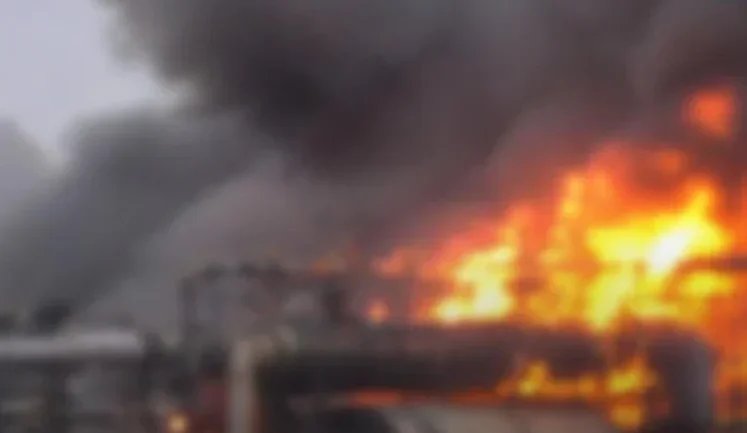
The shelling has significantly impacted the region's infrastructure. Facilities of major companies such as "Naftogaz" have been struck, leading to fires and equipment damage. Reports indicate widespread power outages, impacting over 25,000 customers as attacks continue to disrupt electricity supply and other essential services.
What casualties resulted from the recent shelling in Dnipropetrovsk?
The recent incidents in the Dnipropetrovsk region have led to a tragic loss of life and numerous injuries. Multiple attacks have resulted in fatalities, including innocent civilians and children. Injuries reported range from minor to critical, emphasizing the humanitarian impact of these ongoing military actions.
What has been targeted in the recent Dnipropetrovsk shelling attacks?
The recent shelling in Dnipropetrovsk has primarily targeted critical infrastructure and civilian areas. These include energy facilities, transportation hubs, residential areas, and industrial complexes. The targeting of these sectors showcases efforts to destabilize the region and intimidate its inhabitants.
What is the strategic significance of targeting the Dnipropetrovsk region?
The strategic significance lies in its critical infrastructure and industrial capabilities, making it a valuable target for disruption. The ongoing shelling aims to dismantle economic stability, hinder energy distribution, and create broader societal chaos, affecting both civilian life and Ukraine's defense infrastructure.
How has the local population been affected by the shelling?
The local population in Dnipropetrovsk has faced significant challenges due to the shelling. Thousands have experienced temporary power outages, and many have been forced to evacuate or live under constant threat. The attacks have created a tense and unstable living environment, impacting daily life and security.
What measures are in place for the response to shelling in Dnipropetrovsk?
Authorities in Dnipropetrovsk have taken measures to coordinate emergency responses, including fire suppression, medical assistance for the injured, and efforts to restore power and supplies. Evacuation plans and shelters are part of broader efforts to protect and support affected communities during these critical times.
Why is the energy infrastructure frequently targeted in the Dnipropetrovsk region?
Energy infrastructure is a significant target in the Dnipropetrovsk region due to its pivotal role in sustaining regional and national operations. Disrupting energy supply aims to destabilize civilian and economic activities, posing severe challenges to the regional administration and Ukraine's overall resilience.
What are the prospects for recovery and resilience in Dnipropetrovsk?
Prospects for recovery involve significant national and international support efforts focused on rebuilding damaged infrastructure, restoring essential services, and ensuring the safety and well-being of residents. Resilience depends on continuous adaptation to ongoing threats and collaborative approaches to regional stability.