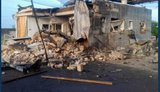
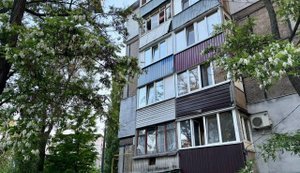
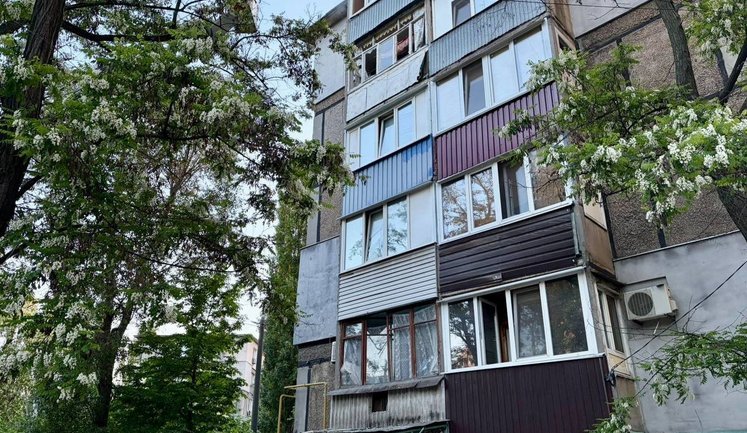
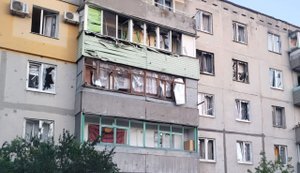
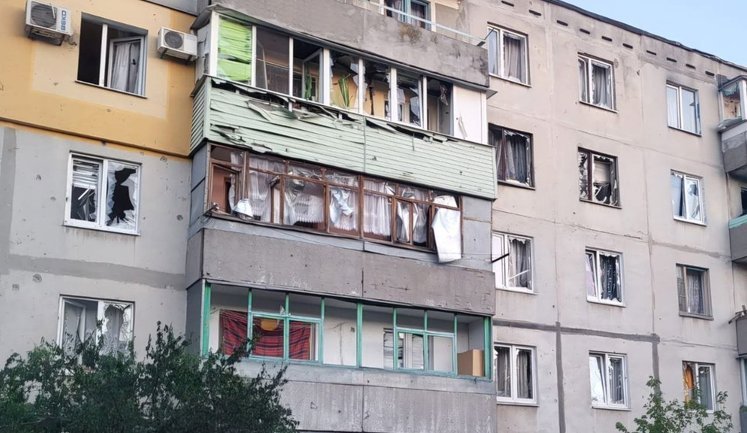
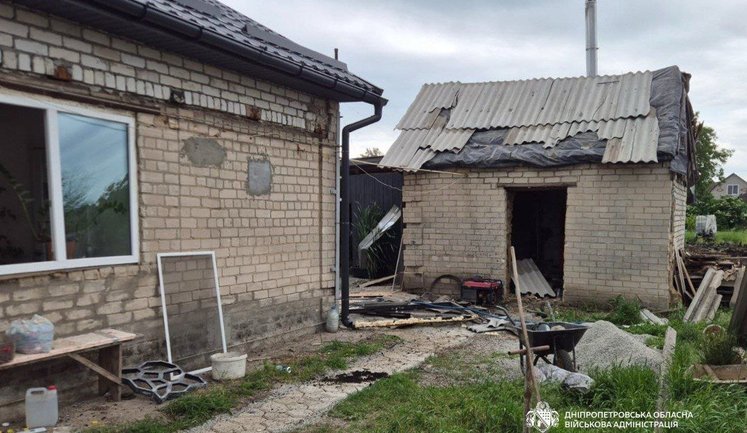
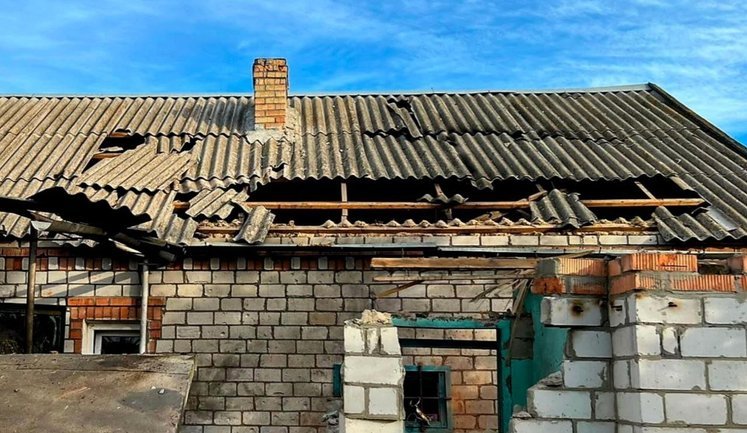
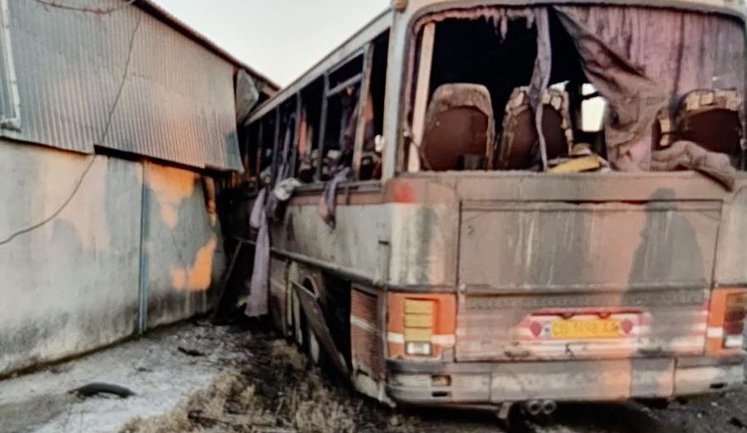
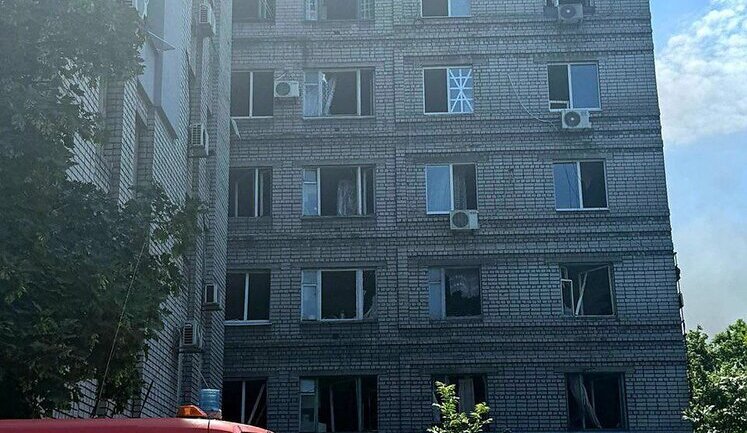
The Dnipropetrovsk region has been a focal point of conflict recently, enduring a series of relentless shelling attacks by Russian forces. Areas like Nikopol and Synelnykivskyi districts have faced significant damage due to nearly 70 attacks involving drones, artillery, and aerial bombs. The onslaught has resulted in numerous casualties, including the tragic loss of a child and critical injuries to civilians. These attacks have not only caused physical harm but have also led to the destruction of vital civilian infrastructure, including homes, schools, and businesses, contributing to a humanitarian and security crisis. This intensifying situation underscores the severe impact of the ongoing conflict on the region's population and infrastructure.
What is the current situation in the Dnipropetrovsk region?
The Dnipropetrovsk region is experiencing frequent shelling from Russian forces, with attacks reported almost daily involving drones, artillery, and sometimes missiles. These aggressive actions have resulted in multiple casualties and significant damage to civilian infrastructure, severely affecting the lives of the residents.
Which areas in Dnipropetrovsk are most affected by the shelling?
Nikopol, Synelnykove, Kryvyi Rih, and other districts in the Dnipropetrovsk region are among the most affected by the shelling. These areas have experienced repeated attacks leading to injuries and destruction of homes, schools, and other critical infrastructure.
How often are the attacks occurring in the Dnipropetrovsk region?
The attacks in the Dnipropetrovsk region are occurring frequently, with reports indicating up to 70 attacks in a single day. The use of drones, artillery, and aerial bombs has been consistent, escalating the humanitarian crisis in the area.
What types of weapons are being used in the shelling of Dnipropetrovsk?
The shelling in the Dnipropetrovsk region involves a variety of weapons, including drones, artillery, and aerial bombs. These have been aimed at both military and civilian targets, causing extensive casualties and damage to infrastructure.
What are the impacts of these attacks on the civilian population?
The attacks have had devastating impacts on the civilian population, causing fatalities and injuries, including among children. Many have lost their homes and are living in constant fear. Essential services and infrastructure have been heavily damaged, significantly affecting daily life and the region's economy.
What is being done to provide aid to those affected in Dnipropetrovsk?
Local authorities and international aid organizations are working to provide emergency relief, including medical aid and shelter. However, the continuous assaults make it challenging to deliver sustained assistance, highlighting the urgent need for a resolution to the conflict.
How are these attacks affecting the infrastructure in the region?
The attacks have severely damaged critical infrastructure such as schools, homes, and businesses in the Dnipropetrovsk region. This destruction has disrupted educational services and economic activities, creating a dire situation for residents who are left without basic amenities.