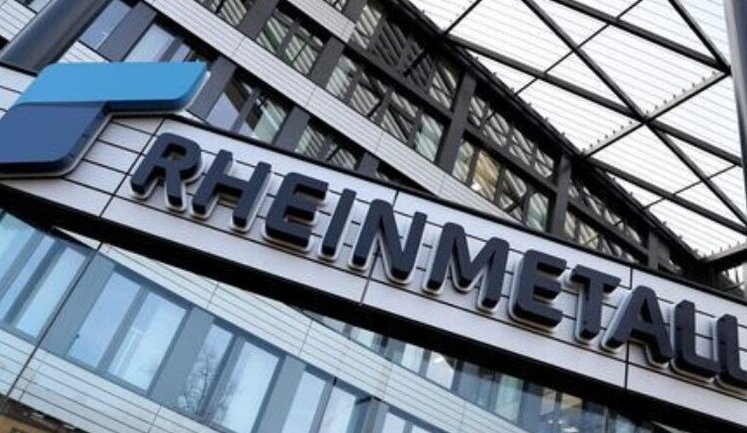
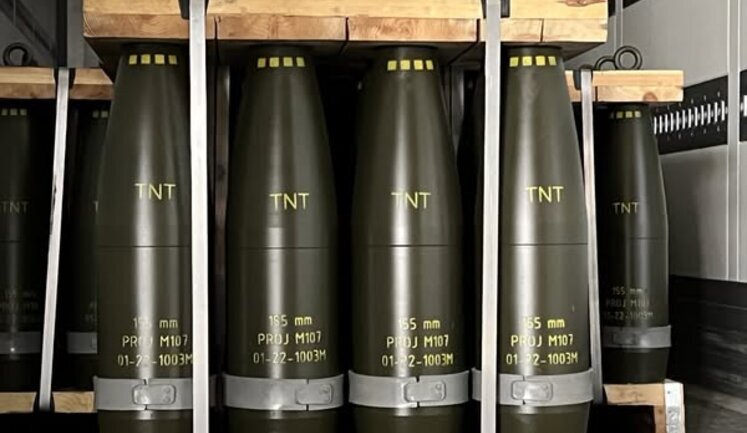
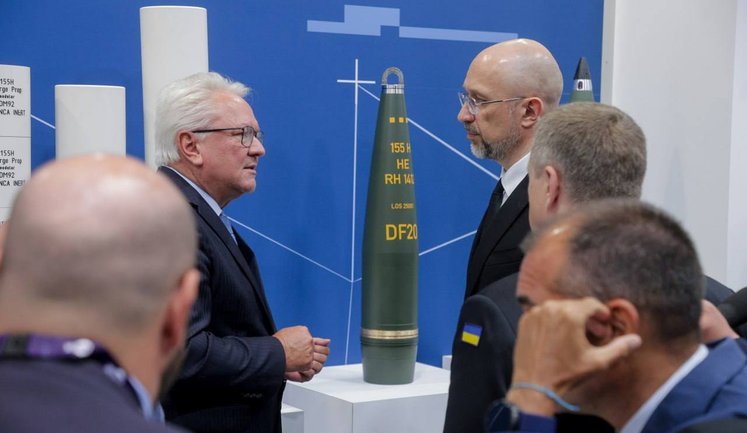
Ukraine's ammunition production has seen significant growth with over 50% of the military's weapons now domestically produced. In response to escalating defense needs, the government allocated land for a Rheinmetall plant, although construction delays persist due to bureaucratic hurdles. Noteworthy is the increase in artillery and ammunition manufacturing by 2.5 and three times, respectively, over two years. Moreover, over 60 types of Ukrainian-made ammunition have been approved for use, underscoring local industry's vital role. A notable collaboration with Norwegian company NAMMO is set to bolster 155-mm shell production with Ukrainian manufacturers, aiming to strengthen defense output despite challenges from governmental bureaucracy impacting NATO-calibre production.
How has Ukraine's domestic ammunition production changed recently?
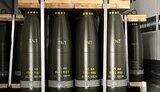
Ukraine's domestic ammunition production has significantly increased, with over 50% of the country's military needs now being met by locally manufactured weapons. This expansion is evident in the 2.5-fold increase in ammunition production and a threefold rise in artillery production over recent years. Furthermore, more than 60 types of Ukrainian-made ammunition have been sanctioned for use this year, emphasizing the industry's pivotal role in supporting national defense.
What are the current challenges in constructing the Rheinmetall plant in Ukraine?
The construction of the Rheinmetall ammunition plant in Ukraine is facing delays due to bureaucratic issues. Despite the government's allocation of land for the plant, administrative processes are slowing down the construction timeline, affecting the anticipated boost in domestic ammunition production capabilities.
What impact does the bureaucracy in the Ministry of Defence have on ammunition production?
Excessive bureaucracy within Ukraine's Ministry of Defence is hindering the production of NATO-calibre ammunition. This bureaucratic bottleneck is slowing down the potential scaling of production facilities necessary to meet international standards and integrated defense strategies, despite efforts to expand capabilities and output.
How is Ukraine collaborating with international companies on ammunition production?
Ukraine is actively engaging in international collaborations to enhance its ammunition production. Notably, a strategic cooperation with Norway's NAMMO has been established to jointly produce 155-mm shells with Ukrainian defense companies. This partnership aims to leverage technical expertise and expand production capabilities, enhancing Ukraine's defense industry and meeting global standards.
What percentage of Ukraine's defense procurement supports domestic manufacturers?
In 2025, more than three-quarters of Ukraine's defense procurement was directed towards supporting domestic manufacturers. This significant investment underscores the country's focus on bolstering local production capabilities to ensure a robust supply of essential military equipment and ammunition.