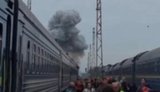
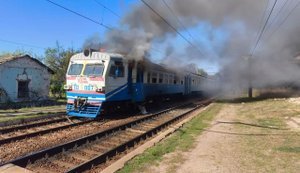
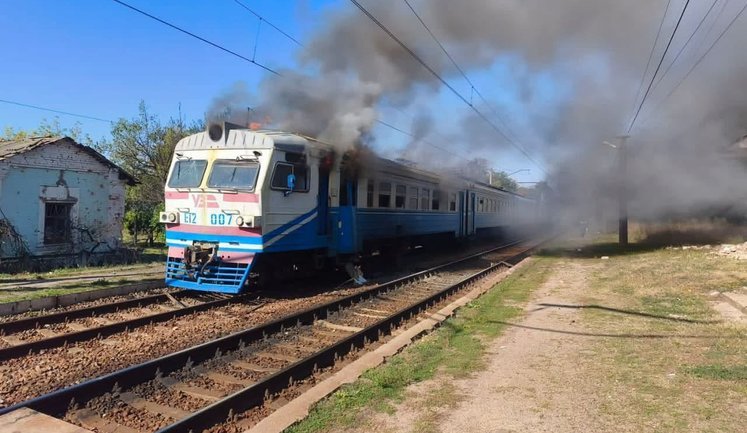
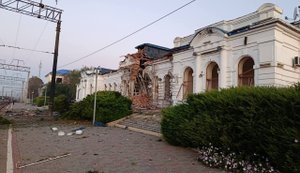
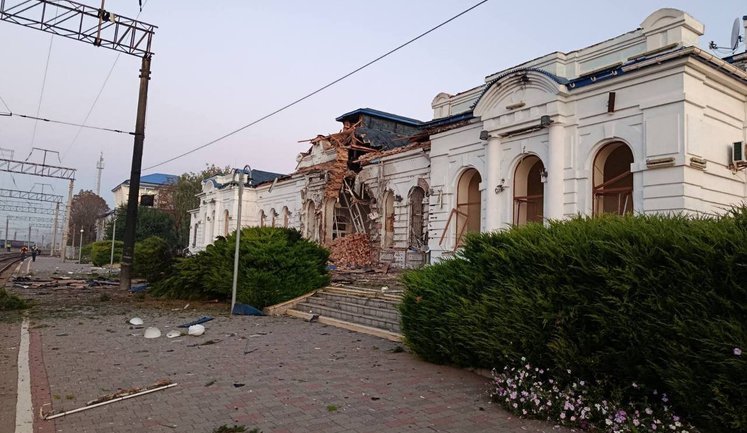
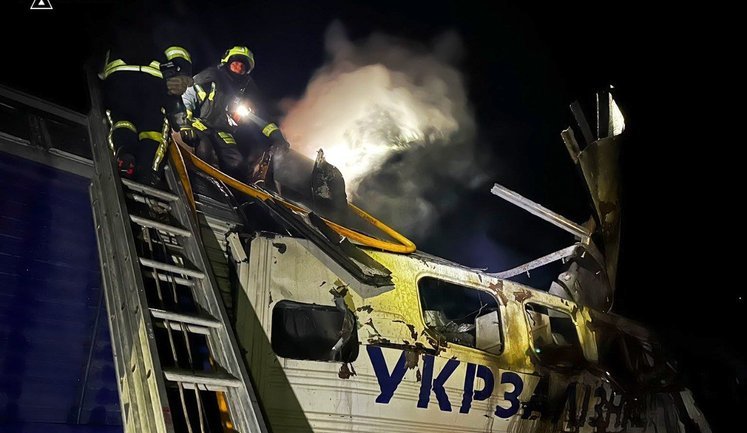
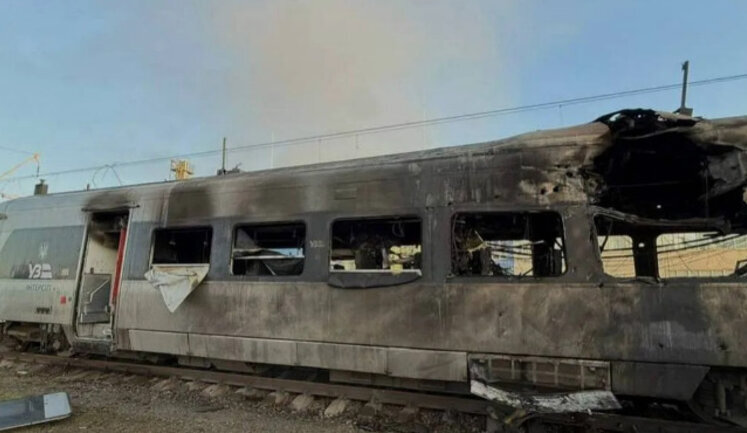
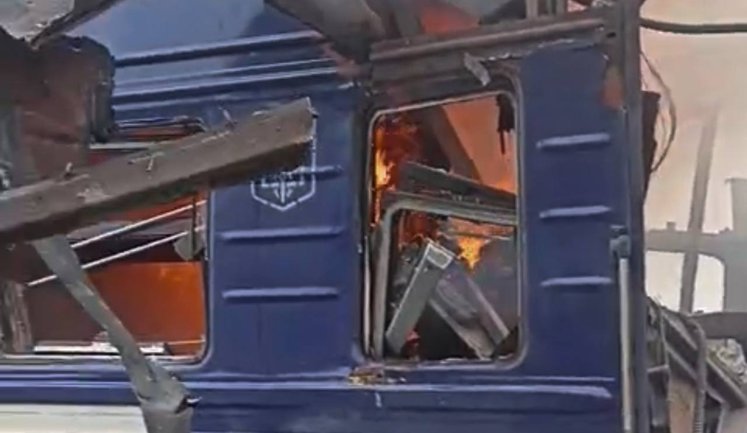
In recent months, Russian forces have repeatedly targeted Ukrzaliznytsia infrastructure, particularly railways, locomotives, and stations across Ukraine. These attacks have caused severe disruptions, with rolling stock damage being a frequent occurrence. Strikes on critical nodes like the Kyiv region and Sumy depot have led to multiple casualties and injuries among railway workers and passengers. In some instances, train services have been temporarily restricted or rerouted to ensure safety. Despite these challenges, Ukrzaliznytsia is striving to restore services and safeguard logistics, emphasizing resilience in Ukraine's transport network amidst ongoing hostilities.
Why is Russia targeting Ukrzaliznytsia railways?
Russia targets Ukrzaliznytsia's railway infrastructure to disrupt Ukraine's logistical network, which plays a crucial role in civilian and military transport. The ongoing attacks aim to compromise supply lines and hinder economic activity by affecting passenger and freight services that are essential to the country's functionality.
What damage has been caused to Ukrzaliznytsia's infrastructure?
The repeated shelling has resulted in significant damage to Ukrzaliznytsia's infrastructure, including destroyed locomotives, damaged railway lines, and compromised station buildings. These attacks have led to loss of life, injuries among personnel and passengers, and economic disruptions due to delayed or rerouted train services.
How does Ukrzaliznytsia manage train services after attacks?
Following attacks, Ukrzaliznytsia often implements train rerouting and alternative schedules to cope with the damage and ensure passenger safety. They work to quickly repair damaged sections and restore services as efficiently as possible while coordinating with military airspace controls to avoid conflict zones.
Are there safety measures in place for railway workers during attacks?
Yes, safety measures include evacuation protocols for train crews and close coordination with military controls to adjust train routes in real-time. These strategies aim to minimize casualties and ensure that railway operations can resume swiftly after ensuring safe conditions.
How frequently have Ukrzaliznytsia facilities been attacked?
Since early March, Ukrzaliznytsia facilities have faced over 40 attacks, predominantly involving drone strikes targeting rolling stock, railways, and supporting infrastructure. The attacks have intensified recently, highlighting ongoing challenges faced in maintaining operational logistics.
How does the shelling affect passenger train schedules?
Shelling of railway infrastructure often leads to temporary suspensions, rerouted services, and alterations to the scheduling to ensure passenger safety. Passengers are advised to check train statuses frequently as Ukrzaliznytsia works to restore regular operations following attacks.
What are the long-term implications of these attacks on Ukraine's railway system?
Long-term implications include potential delays in infrastructure development, increased repair costs, and strained logistical capabilities. Continuous attacks might compel Ukrzaliznytsia to implement more robust security and defense measures, impacting future operational planning amidst ongoing conflict.
Are there any areas more targeted than others in these attacks?
Regions such as Sumy, Zaporizhzhia, Kyiv, and Kharkiv have seen frequent attacks on their railway infrastructure. These strategic areas are crucial for both civilian and military logistics, making them recurring targets as they play a pivotal role in Ukraine's national transportation network.