The demobilization bill in Ukraine is a crucial topic as the Armed Forces of Ukraine (AFU) work on mechanism development. Commander Shapovalov emphasizes fairness in demobilization, addressing various factors. President Zelenskyy asserts that troops will return upon defeating the enemy, adding complexity to current discussions. Peace agreements could influence de-escalation and demobilization, particularly if agreements are reached with key international players. However, demobilization is not automatic upon martial law's cancellation, indicating the situation's complexity. Voices like Venislavskyi and Fediienko highlight operational stability challenges, stressing the importance of careful planning. The Ministry of Defence’s focus remains on structured military rotations while ensuring frontline stability.
What is the demobilization bill in Ukraine?
The demobilization bill addresses the process of returning military personnel to civilian life in Ukraine. It aims to ensure fairness and operational stability, as emphasized by Ukrainian military and political leaders.
How does the demobilization bill affect Ukrainian troops?
The bill affects troops by outlining a structured return to civilian life post-service. It is crucial for maintaining stability, as premature demobilization could risk frontline stability, according to officials.
Why is the demobilization bill controversial in Ukraine?
The bill is controversial due to differing views on timing and conditions for demobilization. While some advocate for swift action, military officials warn of potential risks to front lines if not managed carefully.
What did Zelenskyy say about troop return?
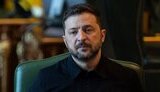
President Zelenskyy stated that Ukrainian troops would return home after defeating the enemy. This statement underscores the complex interplay between military success and demobilization decisions.
Could peace agreements affect demobilization?
Yes, peace agreements could transform or cancel mobilization efforts in Ukraine. Broad international cooperation could thus play a pivotal role in shaping demobilization policies moving forward.
Why has the General Staff hesitated on the demobilization bill?
The General Staff has hesitated due to concerns over frontline stability. A hasty demobilization could destabilize military operations, thus requiring careful planning and evaluation of potential consequences.
What alternative has the Ministry of Defence proposed?
The Ministry of Defence has proposed a rotation mechanism ensuring rest for soldiers after 90 days of service, offering an alternative to traditional demobilization during ongoing conflict scenarios.
Is demobilization automatic when martial law ends?
No, ending martial law does not automatically trigger demobilization. Strategic assessments and formal procedures are required to ensure an orderly withdrawal and transition for military personnel.
How is fairness ensured in the demobilization process?
Fairness is considered through factors such as service duration, individual circumstances, and operational needs, ensuring that demobilization occurs without compromising national security or troop welfare.