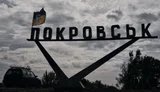
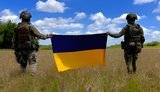
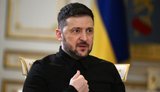
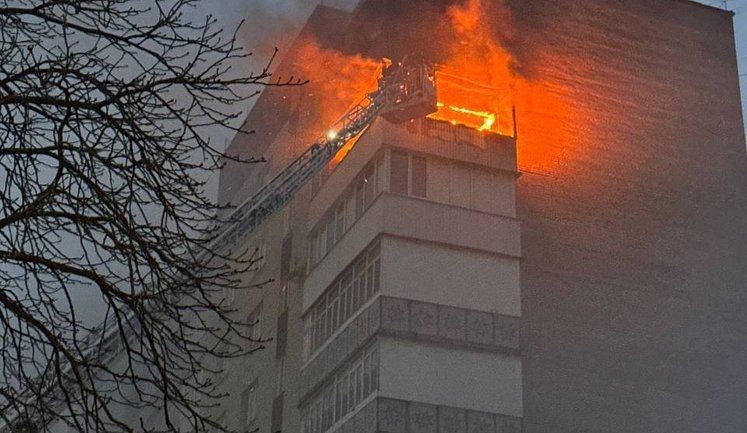
The recent declaration of a ceasefire until Easter by Ukraine has been met with violations by Russian forces, as reported by the 7th Air Assault Corps regarding assaults in the Pokrovsk agglomeration. Despite efforts to ensure compliance with the ceasefire during the Easter period, hostilities are expected to resume according to Kremlin statements, underscoring the ongoing territorial disputes. President Zelenskyy emphasized Ukraine's readiness to abide by the truce while remaining prepared to respond to any Russian aggression. Ukraine has also sought support from the United States for an Easter ceasefire, although questions remain on whether these efforts will yield progress towards peace. The situation remains tense, with Zelenskyy acknowledging the challenges posed by continued Russian aggression, including recent attacks on Lutsk.
What is the current status of the ceasefire in Ukraine for Easter?
The ceasefire in Ukraine for Easter, declared by the Ukrainian government, has faced violations by Russian forces, particularly in regions like the Pokrovsk agglomeration. The Ukrainian Defense Forces have committed to maintaining the ceasefire, but remain vigilant and may respond to breaches.
How has Russia responded to Ukraine's Easter ceasefire proposal?
Despite Ukraine's proposal for an Easter ceasefire, Russia has continued its military operations, as indicated by ongoing assaults and the Kremlin's assertion that conflicts will persist after the truce period. These developments highlight the complexities of achieving a sustained peace agreement.
Has President Zelenskyy taken any additional steps regarding the ceasefire proposal?
President Zelenskyy has actively advocated for the Easter ceasefire and has communicated with international allies, including the United States, to garner support for the truce. However, the effectiveness of these diplomatic efforts remains uncertain amid continued hostilities.
What are the key challenges facing the Easter ceasefire agreement?
The primary challenges facing the Easter ceasefire include ongoing territorial disputes and violations by Russian forces, which undermine peace efforts. Maintaining a stable ceasefire requires vigilant monitoring and the ability to address breaches effectively to prevent further escalation.
Why is the Easter ceasefire significant in the Ukraine conflict?
The Easter ceasefire is significant as it represents a potential pause in hostilities, offering a momentary reprieve and a chance to explore diplomatic solutions. However, its success depends on mutual compliance and robust international support to address underlying conflicts.