Russian cyberattacks are increasingly impacting global security, prompting nations like Ukraine and Sweden to collaborate on cybersecurity efforts. A memorandum was signed in Germany, marking a new era of cooperation against digital threats. Italy has highlighted Russia's cyberattacks during the Winter Olympics, targeting embassies and hotels in Cortina, as reported by Foreign Minister Tajani. Meanwhile, a massive disinformation campaign surfaced in Poland amidst Russian military activities, signaling the hybrid warfare tactics employed by the Kremlin. These events underline the urgent need for international collaboration and reinforce claims by officials, such as Lipavsky, who recognize Russia as a primary source of information manipulation in Europe. Protecting infrastructure and democratic institutions from these persistent cyber threats remains a global priority, especially as Chinese hacking of British systems over the years adds further complexity to the digital security landscape.
What is the significance of Ukraine and Sweden's cybersecurity cooperation?
Ukraine and Sweden's partnership in cybersecurity aims to strengthen defenses against ongoing cyber threats, particularly from Russian entities. By signing a memorandum of understanding, they set a groundwork for sharing intelligence, improving cybersecurity infrastructure, and establishing coordinated responses to mitigate cyberattacks. This collaboration underscores the necessity for international unity to combat sophisticated digital threats effectively.
How did Russian cyberattacks affect the Winter Olympics in Italy?
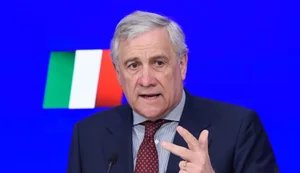
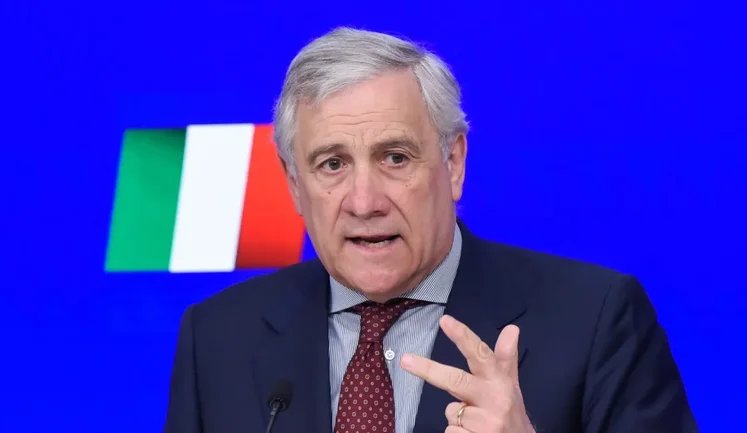
During the Winter Olympics in Cortina, Italy faced cyberattacks allegedly directed by Russia. These attacks targeted key locations such as embassies and hotels, threatening the security and operations surrounding the event. According to Italy’s Foreign Minister Antonio Tajani, the assaults were repelled successfully, but they highlighted the potential risks and complexities of securing international events from state-sponsored digital intrusions.
What role does Russia play in disinformation campaigns within Europe?
Russia is identified as a crucial player in information manipulation in Europe, often engaging in disinformation campaigns to destabilize democracies. These activities include spreading false narratives through social media, hacking, and leaking sensitive information to create political discord. Such tactics are part of a broader strategy to exert influence and undermine the political stability of European nations by blurring facts and creating public confusion.
How are Poland's elections being affected by Russian interference?
Poland's elections are allegedly under Russian interference, with claims of attempts to disrupt the electoral process. This interference includes cyber tactics aimed at influencing public opinion, tampering with digital voting systems, and spreading disinformation to skew election results. These activities pose significant risks to Poland's democratic processes, necessitating enhanced security measures and international support to protect electoral integrity.
What are the shared cyber threat concerns between Europe, China, and Russia?
Europe faces notable cyber threats from both China and Russia, with concerns over hacking and espionage activities. These nations are involved in sophisticated cyber operations, targeting government infrastructure, and extracting sensitive information. This poses a significant challenge for Europe's security landscape, requiring vigilant cooperation across borders to create resilient defenses against state-sponsored cyber threats that jeopardize national security and privacy.