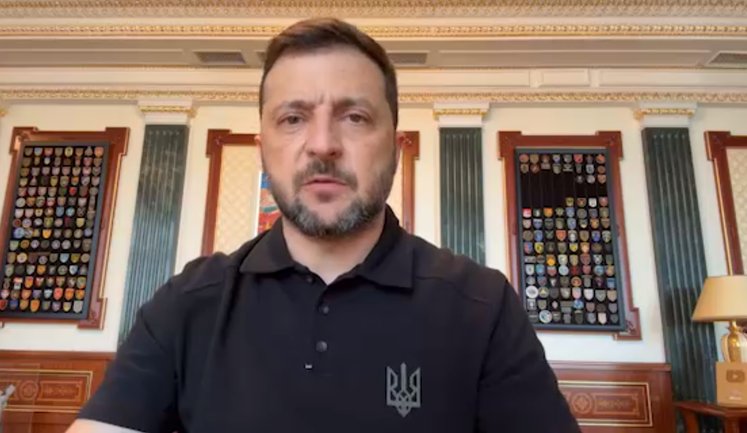
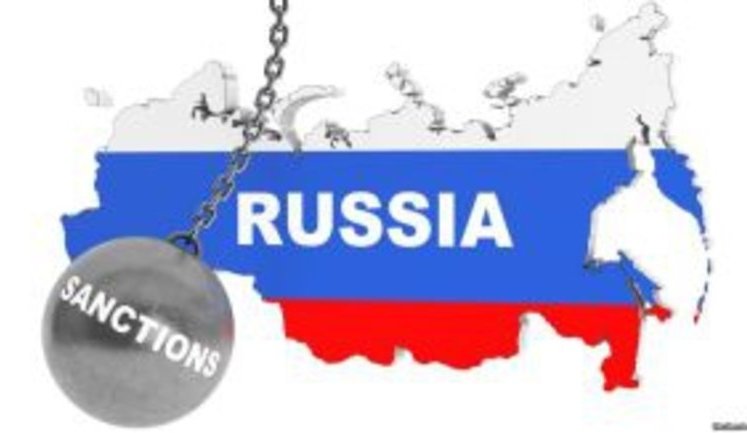
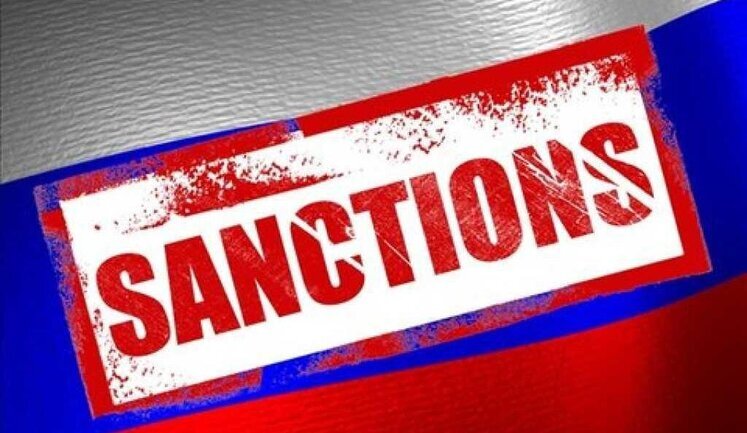
Sanctions against Russia remain a significant topic on the global stage. Ukraine's Permanent Representative to the UN, Andrii Melnyk, has urged the US and Europe to tighten sanctions in the energy domain to pressure Russia into a ceasefire. Meanwhile, Ukrainian President Volodymyr Zelenskyy emphasized that easing sanctions contradicts the grim realities of war, as Russia continues its aggressive campaigns with advanced weaponry. The United States' recent decision to lift sanctions on some Russian vessels has sparked debate, with leaders like German Chancellor Friedrich Merz criticizing the move, while others like UK Energy Minister Shanks maintain a firm stance against easing restrictions. As the European Union prepares to implement its 20th sanctions package, countries like Slovakia express dissent, highlighting the complex dynamics within the bloc. As sanctions impact Russia's economy, strategies evolve to maintain global security.
How have sanctions against Russia affected Ukraine's position?
Sanctions have been critical in supporting Ukraine by economically pressuring Russia. Ukrainian leaders emphasize the importance of maintaining and enhancing these sanctions to weaken Russia's war capabilities and bolster Ukraine's defense. Recent discussions at the UN highlight calls for tightening these measures, focusing on sectors like energy to reduce Russia's military advantage.
Why are some countries opposing the easing of sanctions on Russia?
Countries like Germany and the UK resist easing sanctions due to the ongoing conflict in Ukraine and the unyielding aggression from Russia. Leaders argue that easing sanctions would provide Russia with economic relief, undermining international efforts to curb its military operations and potentially enabling further aggression.
What role does the European Union play in sanctioning Russia?
The European Union plays a pivotal role by coordinating and implementing sanctions across member states. With packages targeting critical sectors like energy and finances, the EU aims to apply sustained economic pressure on Russia, seeking to bring about a peaceful resolution to the war in Ukraine through diplomacy and economic leverage.
How do sanctions impact global energy markets?
Sanctions on Russia's energy exports have significant implications for global markets. As one of the largest oil producers, restrictions can tighten global supply, influencing oil prices. Countries like China have adjusted by increasing imports from Russia, while Western nations explore alternative energy partnerships and supply diversification to mitigate disruptions.
What are the economic consequences of sanctions on Russia?
Sanctions induce severe economic pressures on Russia, potentially leading to budget deficits and decreased revenues from exports, particularly in the energy sector. These restrictions aim to suffocate funding for Russia's military operations, forcing the country to reconsider its foreign policy due to financial strains and diplomatic isolation.