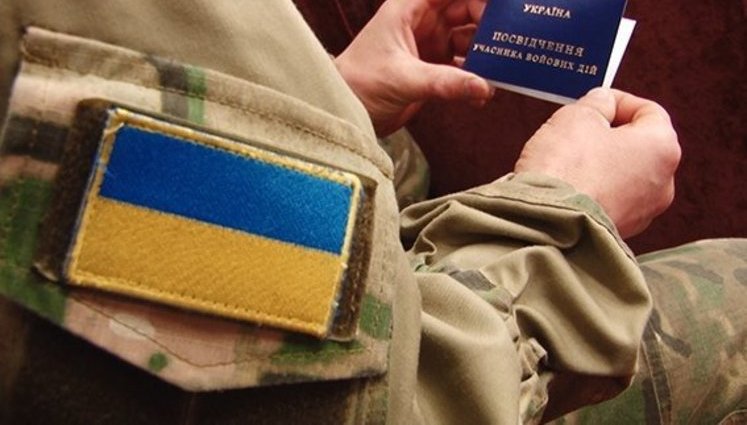
AFU veterans have become a significant part of Ukrainian society, facing unique challenges and gaining recognition for their contributions. Recent events highlight the focus on veterans' wellbeing, including infrastructure developments like veterans-focused healthcare initiatives. Former political prisoners, now veterans, face additional societal challenges as reflected by incidents like the assault in Kyiv's TCR premises. Despite their struggles, veterans like Yehor Babenko transition to new roles, supporting others as military psychologists. Businesses also emerge as veterans turn entrepreneurs, reflecting their resilience. Policy reforms stress veterans' affairs as a state priority, promising long-term support from healthcare to social integration.
What are the challenges faced by AFU veterans?
AFU veterans encounter numerous challenges, including physical and psychological recovery from combat, social reintegration, and adapting to civilian life. Incidents like assaults highlight the need for enhanced protection and support. Furthermore, social stigma and insufficient government policies complicate their transition, while ongoing initiatives aim to address these issues and provide comprehensive care and rehabilitation.
How is the Ukrainian government supporting veterans?
The Ukrainian government has been intensifying its support toward veterans through various initiatives such as the project offering long-term medical care. The collaboration among different ministries ensures that veterans receive comprehensive health, psychological, and social care, aimed at facilitating their integration and improving their quality of life. These efforts also include policy adjustments and increased resource allocation for sustainable veteran affairs solutions.
What role do veterans play in Ukrainian society?
Ukrainian veterans play a pivotal role in shaping the nation's social fabric post-conflict. They are involved in various sectors, from entrepreneurship, like opening businesses, to psychological support roles helping fellow veterans. Their experiences and skills contribute significantly to societal resilience and serve as an inspiration for national solidarity, highlighting the importance of integrated support systems for their effective societal contribution.
How are media affecting the perception of Ukrainian veterans?
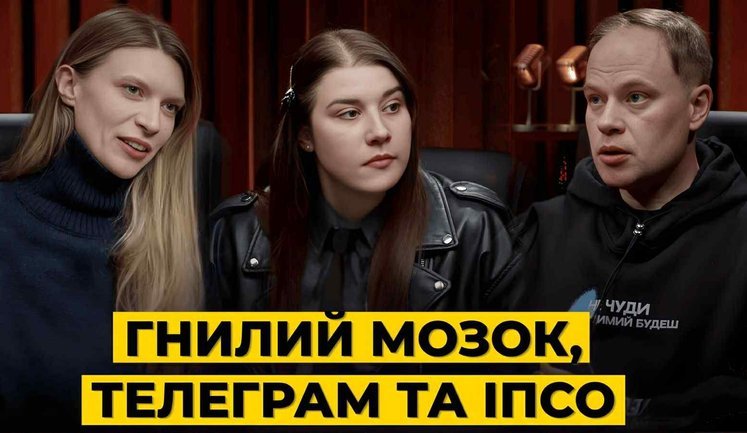
Media play a substantial role in shaping public perception of Ukrainian veterans. Various platforms, including news outlets, social media, and video channels, often emphasize veterans' challenges and triumphs. While some narratives may shape negative stereotypes, comprehensive media engagement helps in raising awareness, dispelling myths, and promoting understanding of the veterans' real-life contributions and struggles, aiding public empathy and informed discourse.
Are veterans involved in business and entrepreneurship in Ukraine?
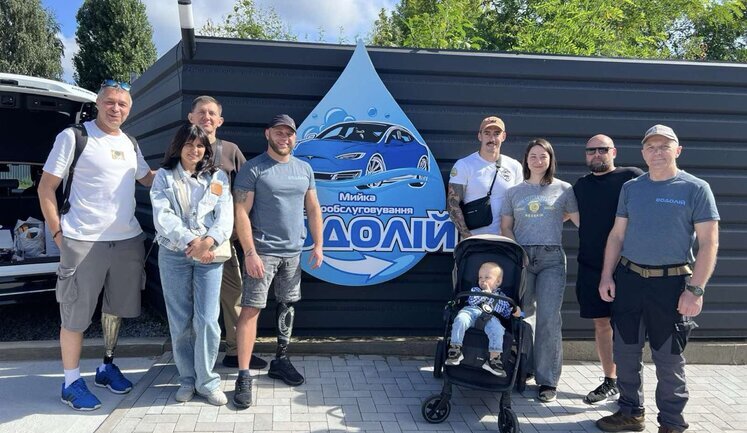
Many Ukrainian veterans have embraced entrepreneurship, seeing it as a way to adapt to civilian life post-service. By starting businesses—like Yehor Babenko’s car wash—they contribute economically and socially to communities, serve as role models for fellow veterans, and pursue personal growth. This trend reflects a nationwide encouragement for veteran entrepreneurship, supported by government and non-government initiatives for startup guidance and funding.
What recent incidents involving veterans highlight their vulnerabilities?
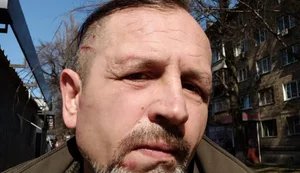
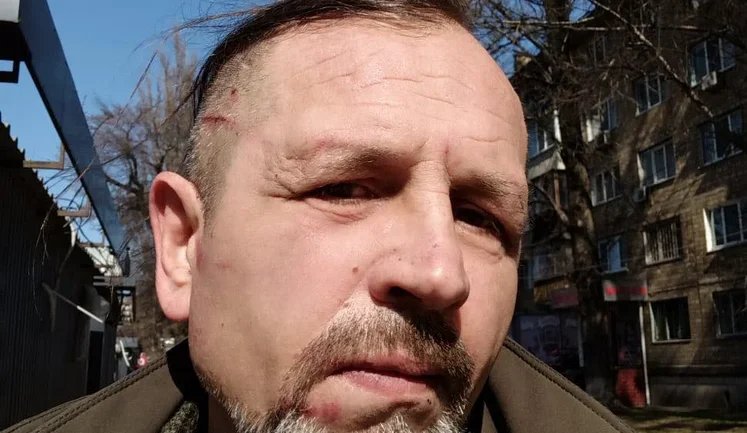
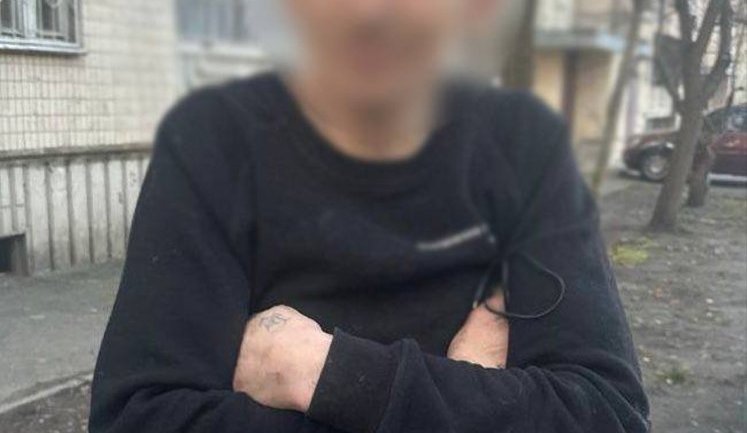
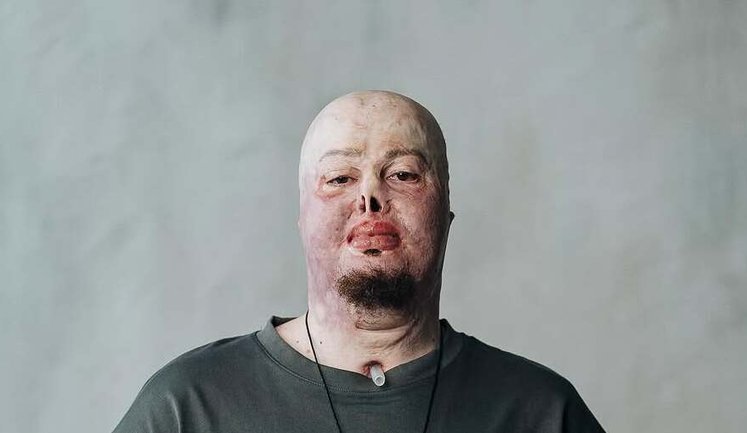
Recent incidents, such as the reported assault on a former Kremlin political prisoner and Ukrainian veteran in Kyiv, underscore the vulnerabilities veterans face beyond the battlefield. These incidents call attention to security needs and societal attitudes towards veterans. Such events highlight the urgency in strengthening support systems, law enforcement responses, and public awareness to ensure veteran safety and dignity in civilian communities.
How does the Ukrainian society view the importance of policies for veterans?
Within Ukrainian society, there's growing recognition of the importance of comprehensive policies addressing veteran affairs, prompted by the increasing veteran population. Discussions led by political and military figures emphasize policies focusing on integration, health care, and socio-economic support, recognizing veterans as not only beneficiaries but also crucial contributors to national growth and security, driving a policy shift prioritizing veteran welfare at state levels.
What innovations are being introduced for veterans' healthcare in Ukraine?
Ukraine is taking steps to transform veterans' healthcare with projects that offer long-term, integrated care. These innovations, led by the Ministry of Veterans Affairs alongside the Ministry of Health, include continuous medical, psychological, and social care models. By utilizing technology, policy reforms, and strengthened inter-ministry collaborations, these projects aim to provide a systematic approach to veterans' rehabilitation and well-being, reflecting an evolving healthcare landscape robustly responding to veterans’ unique needs.