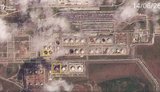
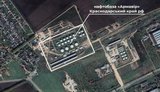
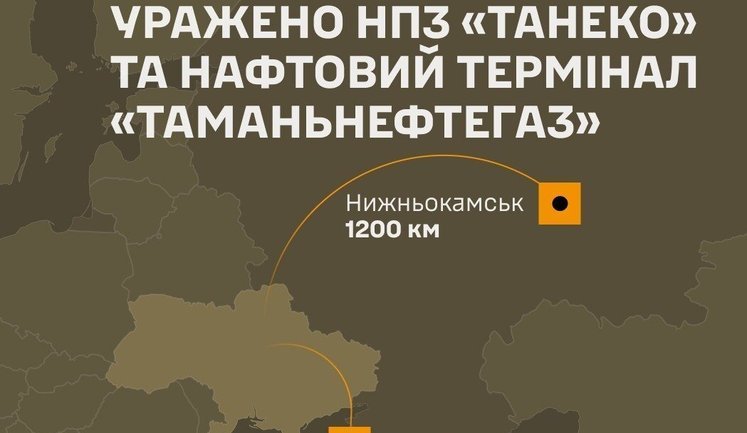
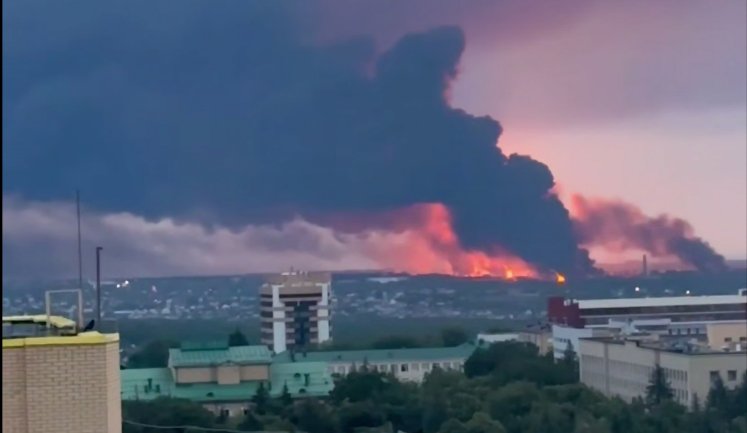
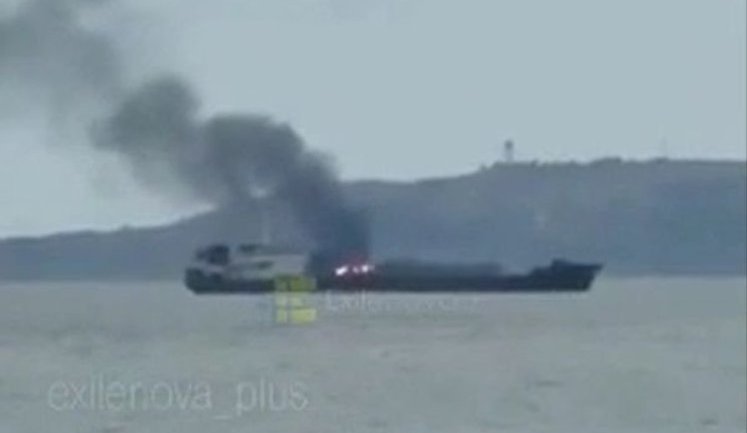
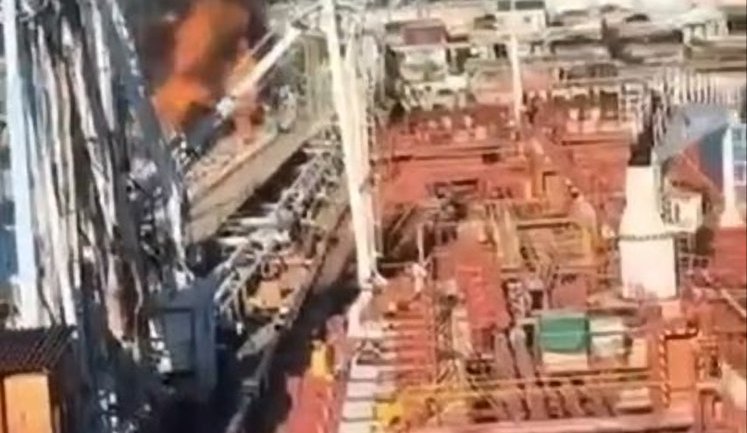
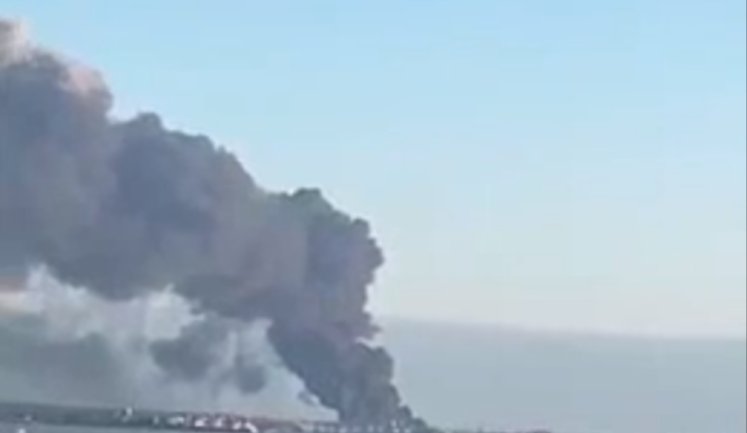
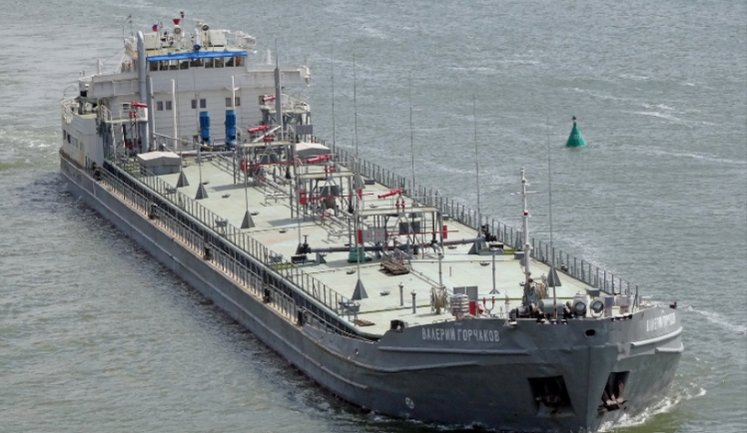
Ukrainian forces have successfully targeted the Tamanneftegaz oil terminal located in Krasnodar Krai, Russia. The operation, conducted by the Security Service of Ukraine (SSU), resulted in significant damage to storage tanks containing petroleum products and the terminal's infrastructure. This strategic move underscores escalating tensions and highlights vulnerabilities within Russia's energy-related assets. The impact of these strikes on oil supply chains and regional security dynamics may prompt further diplomatic responses and alter international economic discussions. As both nations navigate these challenging interactions, global observers remain focused on the implications for energy markets and regional stability.
What is Tamanneftegaz and why was it targeted?
Tamanneftegaz is a significant oil terminal in Krasnodar Krai, Russia, serving as a critical node in the country's petroleum infrastructure. Targeting it impacts petroleum product storage and distribution, disrupting regional oil supply chains and showcasing strategic vulnerabilities in energy infrastructure.
How were the Tamanneftegaz facilities damaged in the strikes?
The strikes reportedly resulted in the destruction of storage tanks and inflicted severe damage on the associated infrastructure designed to handle petroleum products. This damage reduces the terminal's operational capacity, potentially affecting local and international energy markets.
What are the potential implications of these strikes on regional security?
The strikes on Tamanneftegaz could escalate tensions between Ukraine and Russia, influencing regional security dynamics. Such actions may lead to increased military posturing, provoke diplomatic confrontation, and potentially alter alliances, impacting broader geopolitical stability.
How might this affect global petroleum markets?
The damage inflicted on Tamanneftegaz may reduce the immediate availability of petroleum products, affecting regional supply and potentially triggering price fluctuations in global markets. Such disruptions can pressure global supply chains and lead to increased market volatility.
What are the strategic goals behind targeting oil facilities in conflicts?
Targeting oil facilities aims to disrupt economic resources vital for military operations and economic stability. Damaging such infrastructures can weaken an adversary’s operational capabilities and apply economic pressure, influencing conflict outcomes and negotiations.