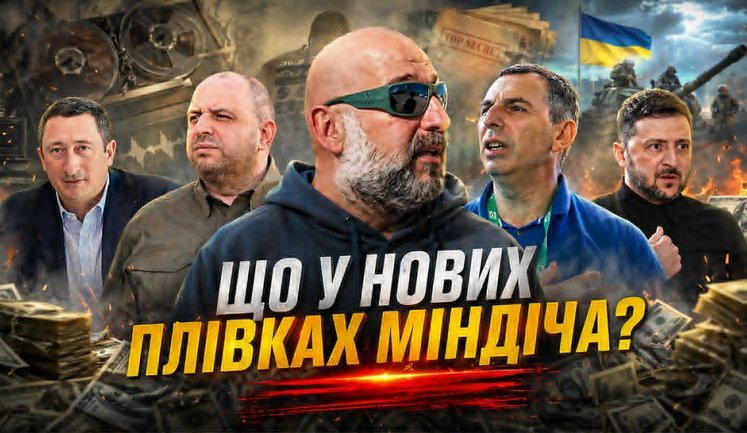
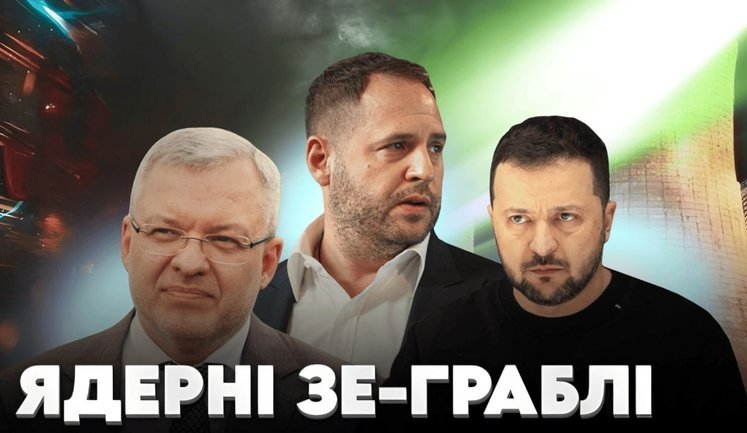
The "Uncensored" series has become a platform for revealing significant corruption and political scandals in Ukraine and beyond. Featuring discussions and investigations, the series has recently spotlighted figures such as Rustem Umerov and his alleged interactions with the FBI regarding corruption in Ukraine's army. The videos delve into Ukraine's ongoing political maneuvers, NATO aspirations, and potential peace strategies amidst the conflict. Reports by Maryna Danyliuk-Yarmolaieva and Bohdan Butkevych critically analyze the potential end of war scenarios, high-profile corruption linked to President Zelenskyy's associates, and international relations dynamics. Each episode provides a comprehensive look at the current socio-political landscape, ensuring viewers remain informed about key global and national events influencing Ukraine's future.
What significant revelations does the "Uncensored" series share about Ukraine's politics?
The "Uncensored" series provides in-depth analysis of corruption scandals and political dynamics in Ukraine. It highlights significant interactions involving high-profile figures like Rustem Umerov with the FBI and delves into allegations surrounding Tymur Mindich and the Zelenskyy administration. These revelations aim to keep viewers informed about the opaque dealings in Ukrainian politics and how they might impact the nation's future.
How is Ukraine's NATO bid discussed in the "Uncensored" videos?
The "Uncensored" series tackles Ukraine's aspirations to join NATO within the broader context of geopolitical strategies and the ongoing war. Discussions frame Ukraine's bid as both a strategic move and a contentious issue, analyzing its implications on international relations and security dynamics. The series regularly updates viewers on developments in Ukraine's NATO accession efforts and their potential outcomes.
What is the connection between Ihor Kolomoisky and the current Ukrainian political climate?
Ihor Kolomoisky is featured in the "Uncensored" series as a pivotal figure returning to the political scene, revealing crucial details about corruption and political maneuvers in Ukraine. His involvement sheds light on behind-the-scenes activities, providing a deeper understanding of the intricate relationships within the nation's power structures. Kolomoisky's actions and public statements often influence Ukraine's political discourse.
Why is FBI interest in Tymur Mindich significant for Ukraine?
The FBI's interest in Tymur Mindich, tied to money laundering investigations, marks a major development in assessing Ukraine's internal corruption. It highlights potential ramifications for Ukraine's anti-corruption efforts and ties to the highest echelons of power, including alleged efforts by the President's Office to disrupt anti-corruption agencies. This scrutiny has international and domestic implications, influencing both diplomatic relations and internal policy reforms.
What impact does Andrii Yermak's actions have on Ukraine-US relations?
Andrii Yermak's past decisions, particularly regarding interactions with US political figures, are explored in the "Uncensored" videos. His influence is analyzed in terms of shaping Ukraine-US relations, with a focus on missed diplomatic opportunities and potential strategic missteps. Yermak's role is critiqued for affecting bilateral ties and contributing to Ukraine's current geopolitical positioning.
How does the "Uncensored" series cover the potential end of the Ukraine war?
The "Uncensored" series examines the prospects for ending the Ukraine war, discussing possible scenarios and strategic implications for the region. Through expert commentary and investigative reports, the series evaluates the likelihood of peace negotiations and external influences that might shape conflict resolution. The program provides a critical look at military strategies and diplomatic efforts involved in moving towards peace.
What role does public discourse play in the investigations featured in the "Uncensored" series?
Public discourse is a central theme in the "Uncensored" investigations, helping to amplify the series' impact by fostering transparency and accountability. The program leverages expert opinions, interviews, and analysis to challenge narratives and question power, engaging a broad audience in dialogues about justice, governance, and societal impact. This interaction between the media and public conversation encourages informed civic participation.
To what extent does the "Uncensored" series influence public perception of Ukrainian leadership?
The "Uncensored" series significantly influences public perception by shining a light on contentious governmental actions and decisions. By offering critical insights into leadership behaviors, accountability, and policy decisions, the series encourages viewers to question and reflect on their political leaders' efficacy and integrity, shaping public discourse and potentially driving political and societal change.