



Everything we know about attack on Moscow: "SMO is not going according to plan"
The morning doesn’t start with coffee. For the second time this week, this has become a reality for residents of the occupying country’s capital.
On 18 June, at around 4 am, reports of explosions in Moscow began to appear on social media. Mayor Sobyanin reported that dozens of drones heading for the Russian capital had been shot down. But the most interesting developments began at sunrise.
Residents of the Russian capital began posting on social media about thick smoke shrouding the sky above Moscow.


Moscow Oil Refinery
Two days earlier, on 16 June, the oil refinery in the south-east of Moscow, in the Kapotnya district, had already been targeted by Ukrainian drones, leading to its shutdown.
On 18 June, the Defence Forces decided to capitalise on their success and demonstrate that Putin’s phrases ‘The special military operation is going according to plan’ and ‘Get to work, brothers’ were meaningless, and that the war would increasingly reach the Russian capital.
Amid reports from the Russian Ministry of Defence claiming the destruction of dozens of UAVs heading for Moscow, residents recorded the targets flying overhead and successful drone strikes on the oil refinery.
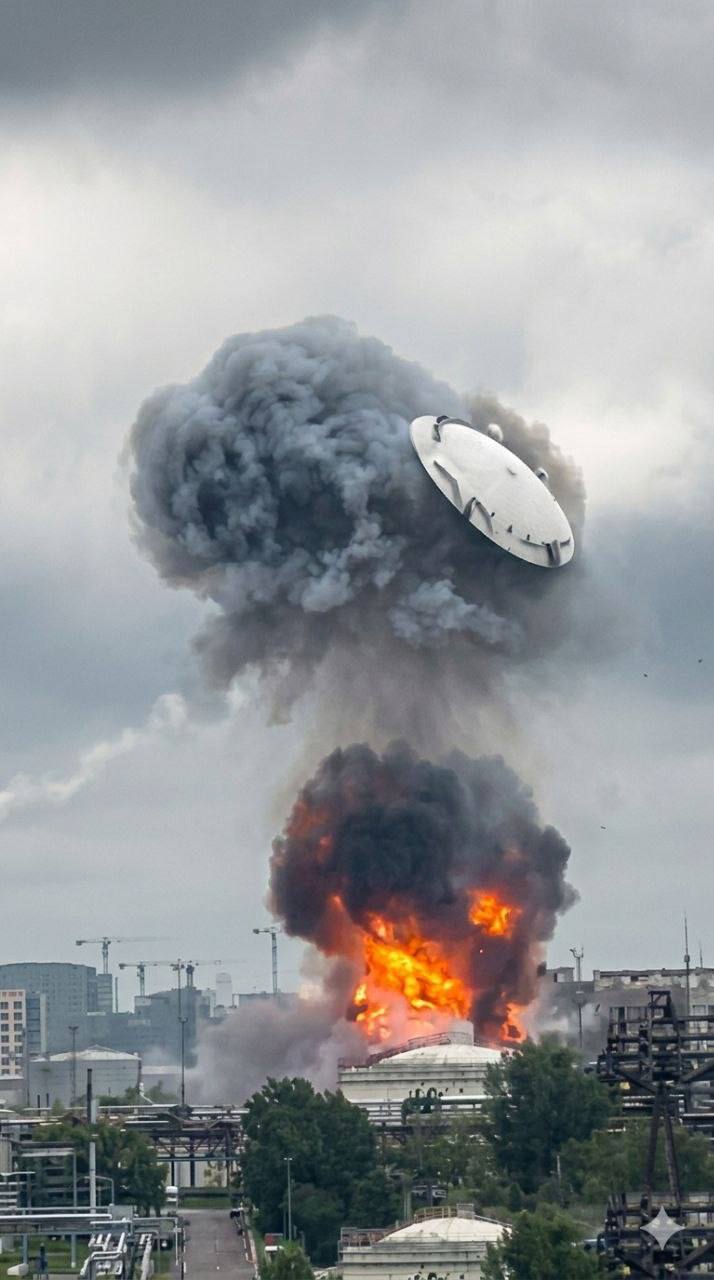
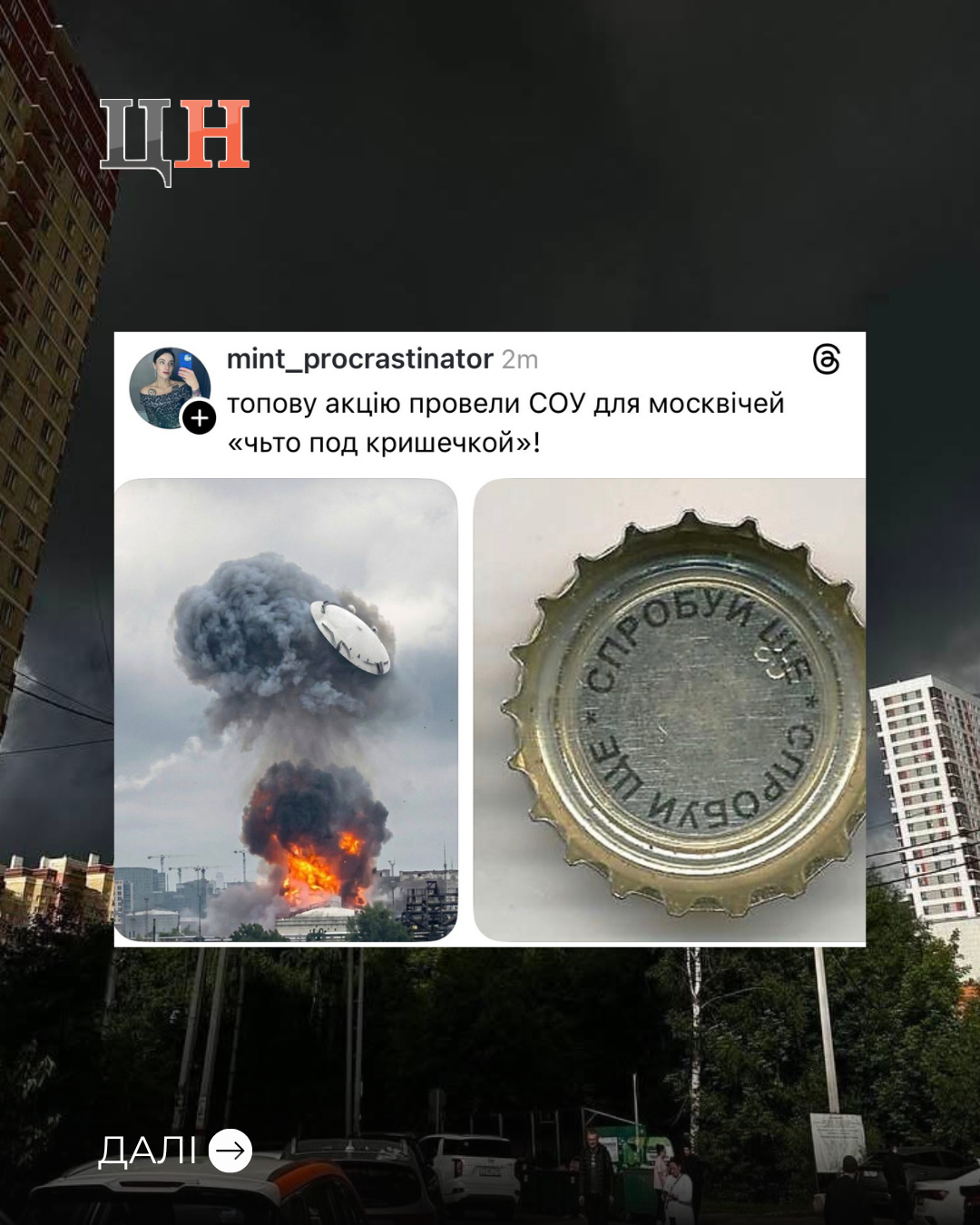
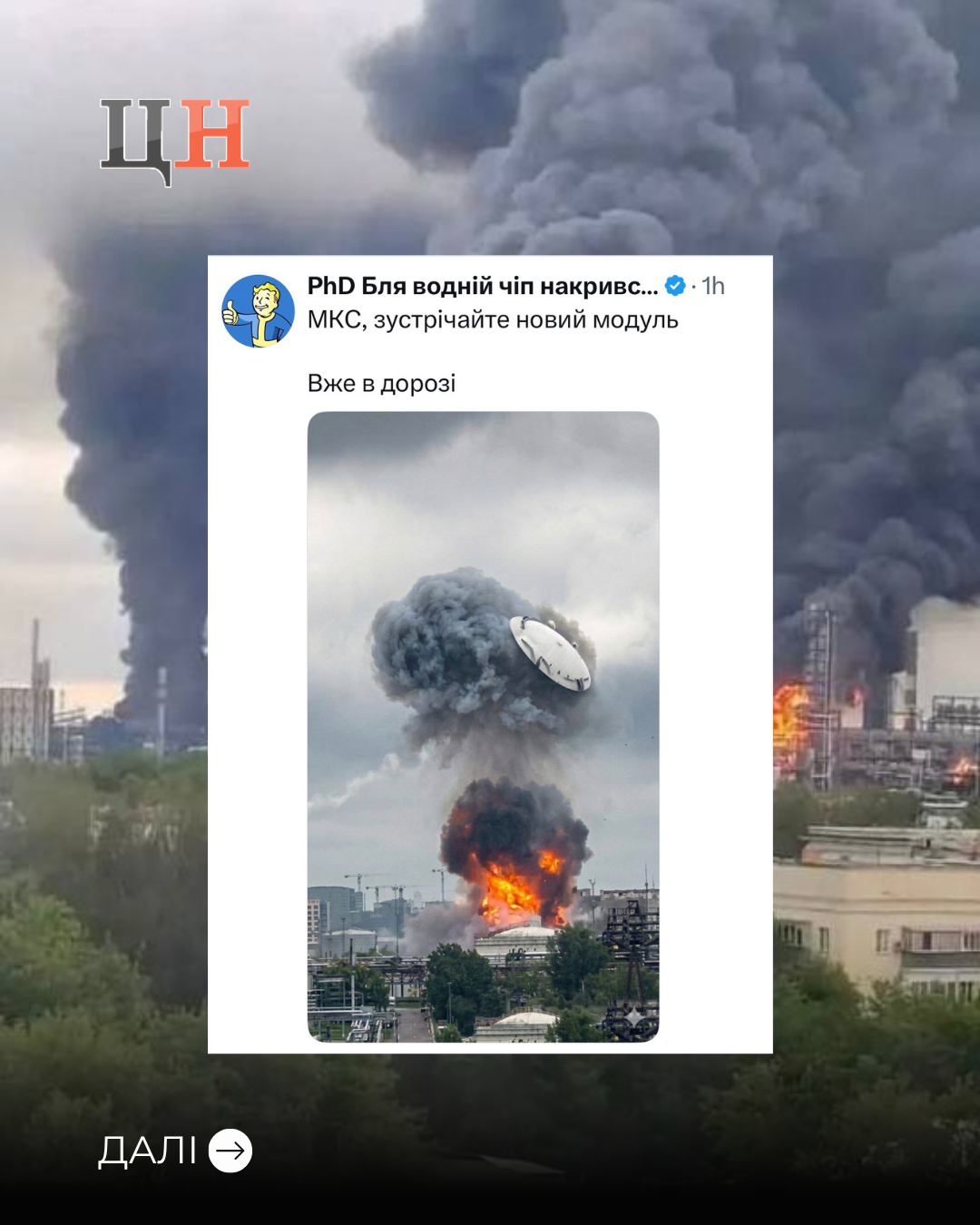
Perhaps the most spectacular footage was of a manhole cover being blown off one of the oil facility’s storage tanks.
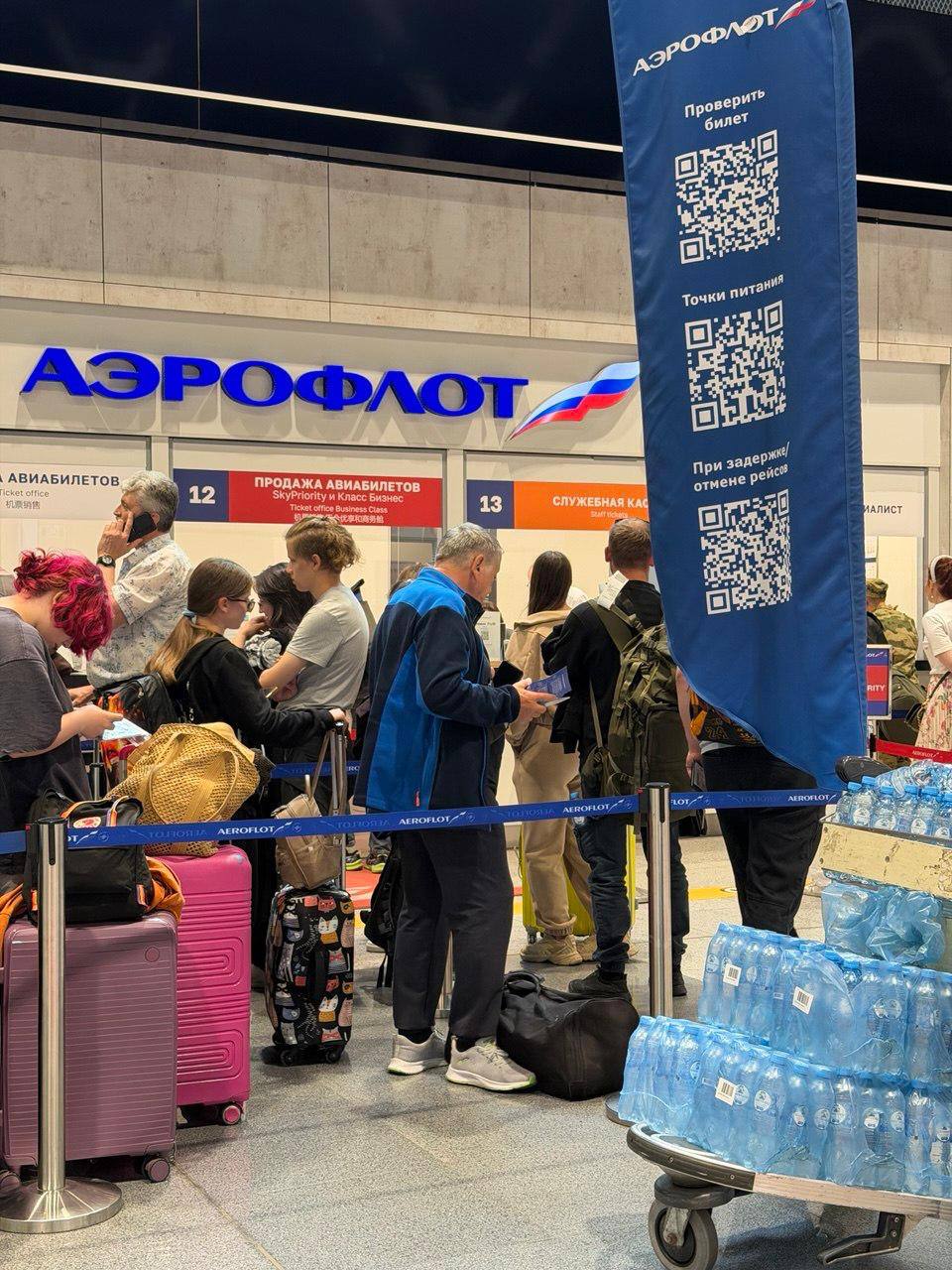
The ‘Carpet’ plan was implemented at four Moscow airports. According to Russian media reports, more than 500 flights were cancelled at the capital’s airports due to the drone attack.
President Zelenskyy later confirmed that the oil refinery in Moscow was subject to Ukraine’s long-range sanctions.
Consequences of the strikes
The General Staff of the Armed Forces of Ukraine also confirmed the attack on the Moscow oil refinery, which has an annual processing capacity of over 12 million tonnes of crude oil.
"A direct hit and a large-scale fire have been recorded on the plant’s premises – there are currently at least five separate fires. According to preliminary geolocation data, a combined oil refining unit, secondary refining units and the tank farm are on fire," the General Staff reported.
The scale of damage to strategic facilities in the Russian Federation has reached a new technological level.
Moscow residents have captured footage of a cruise missile flying directly over residential areas on the outskirts of the city.
In the published footage, the characteristic loud sound of a jet engine can be clearly heard, and the silhouette of the missile is visible.
How are Ukrainians reacting?
Ukrainians, who suffer daily from Russian shelling, could not remain indifferent to this ‘explosive’ news and reacted strongly to the strikes on the Russian capital.

Reaction from Moscow residents
On social media, Russians complained that they had not received any SMS alerts about the attack. Nor had they heard the air-raid siren.
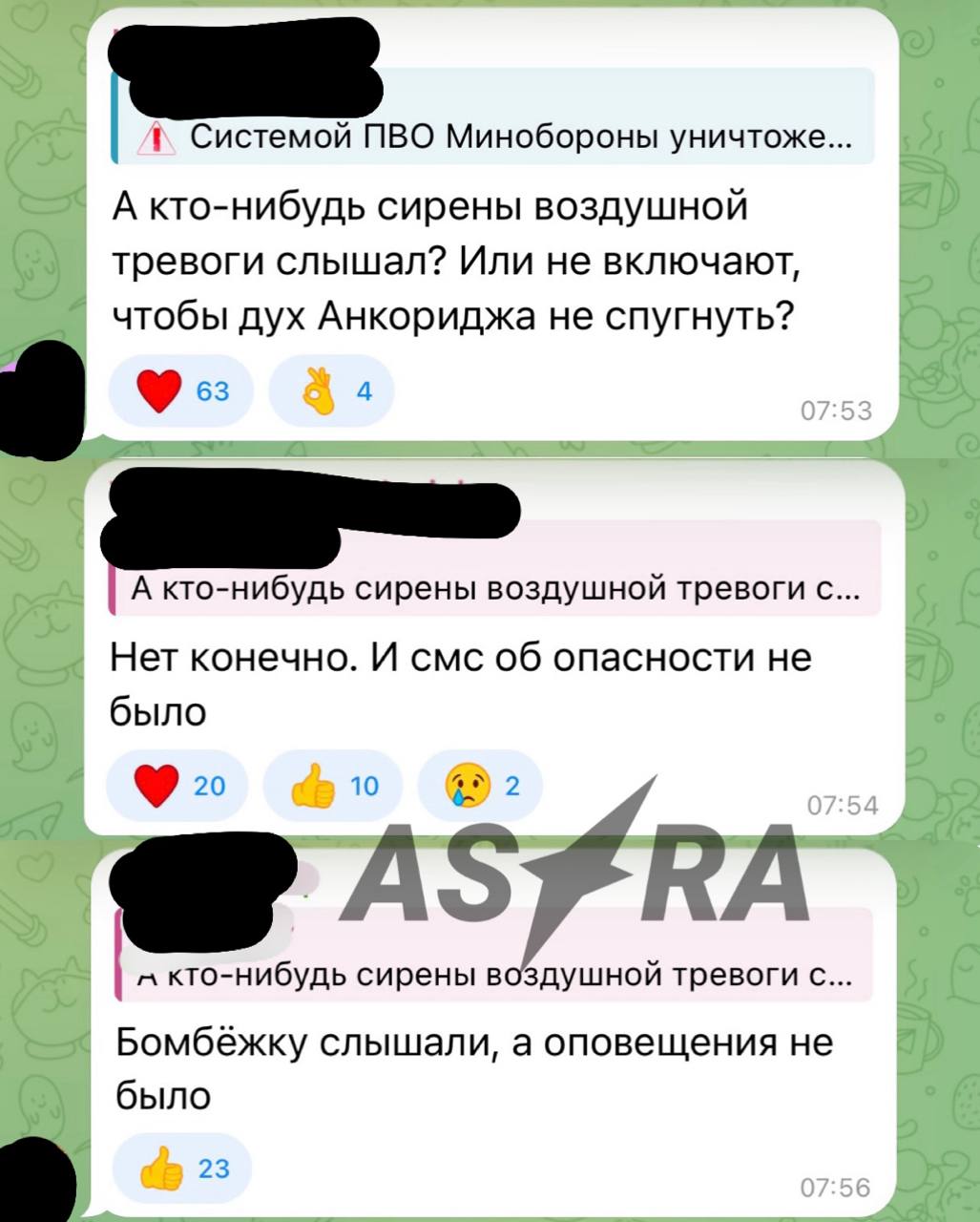
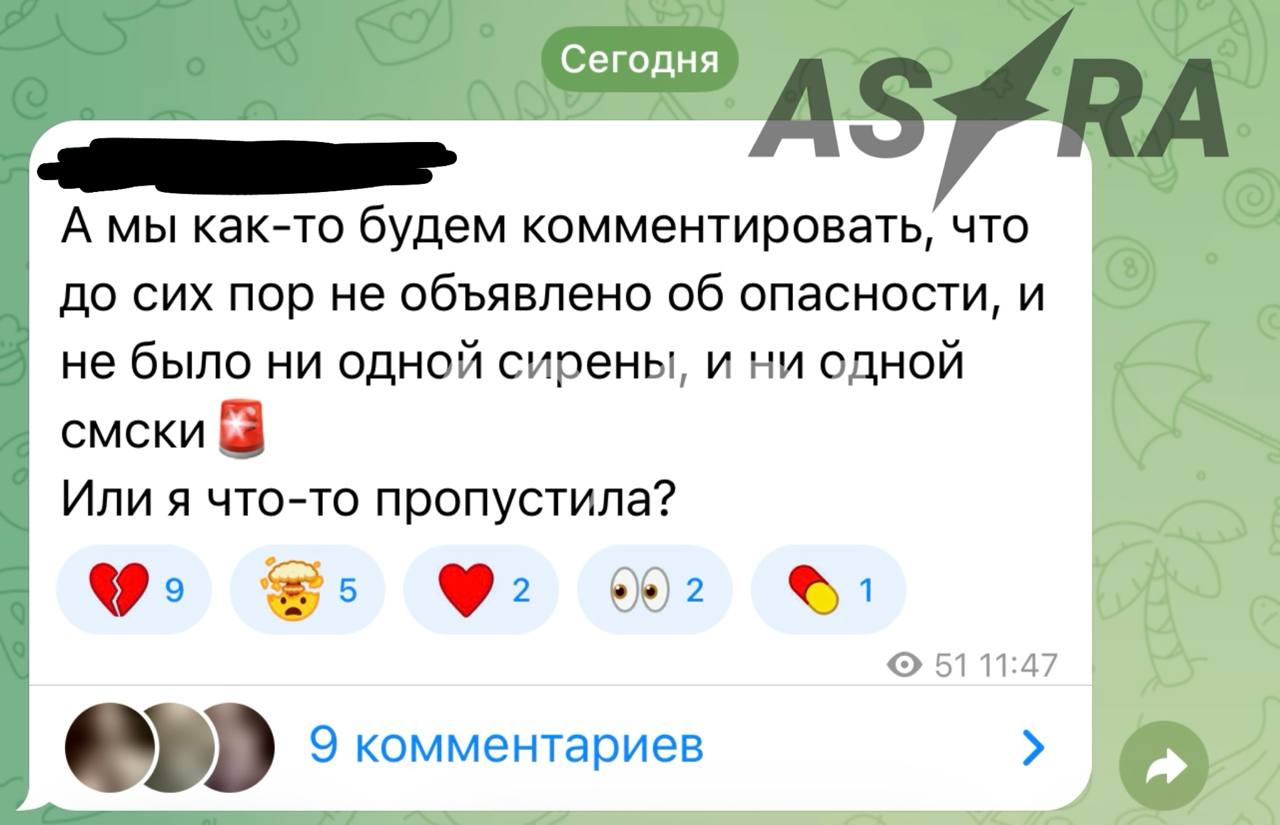
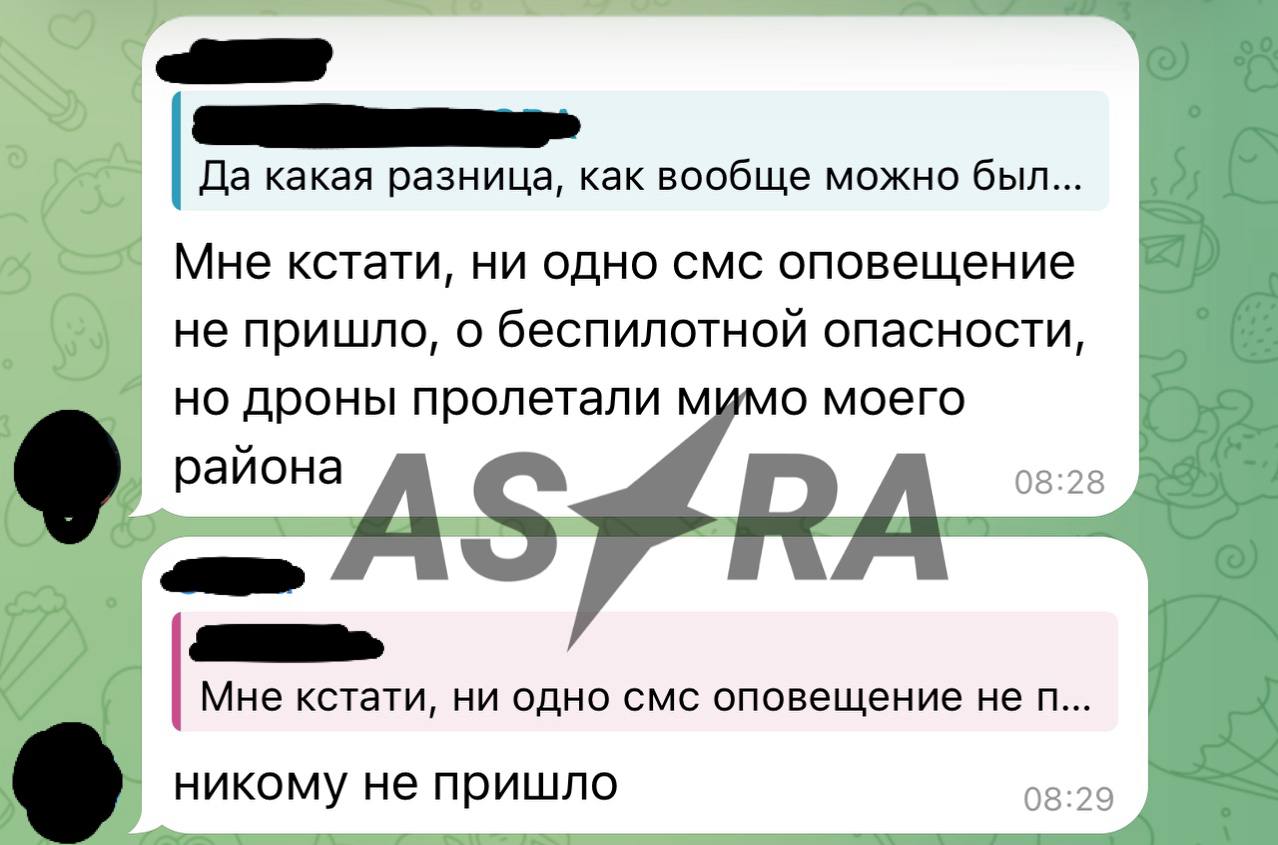
There were also complaints in Moscow and the surrounding region about an ‘oil rain’, which residents of Tuapse had previously experienced following Ukrainian strikes.
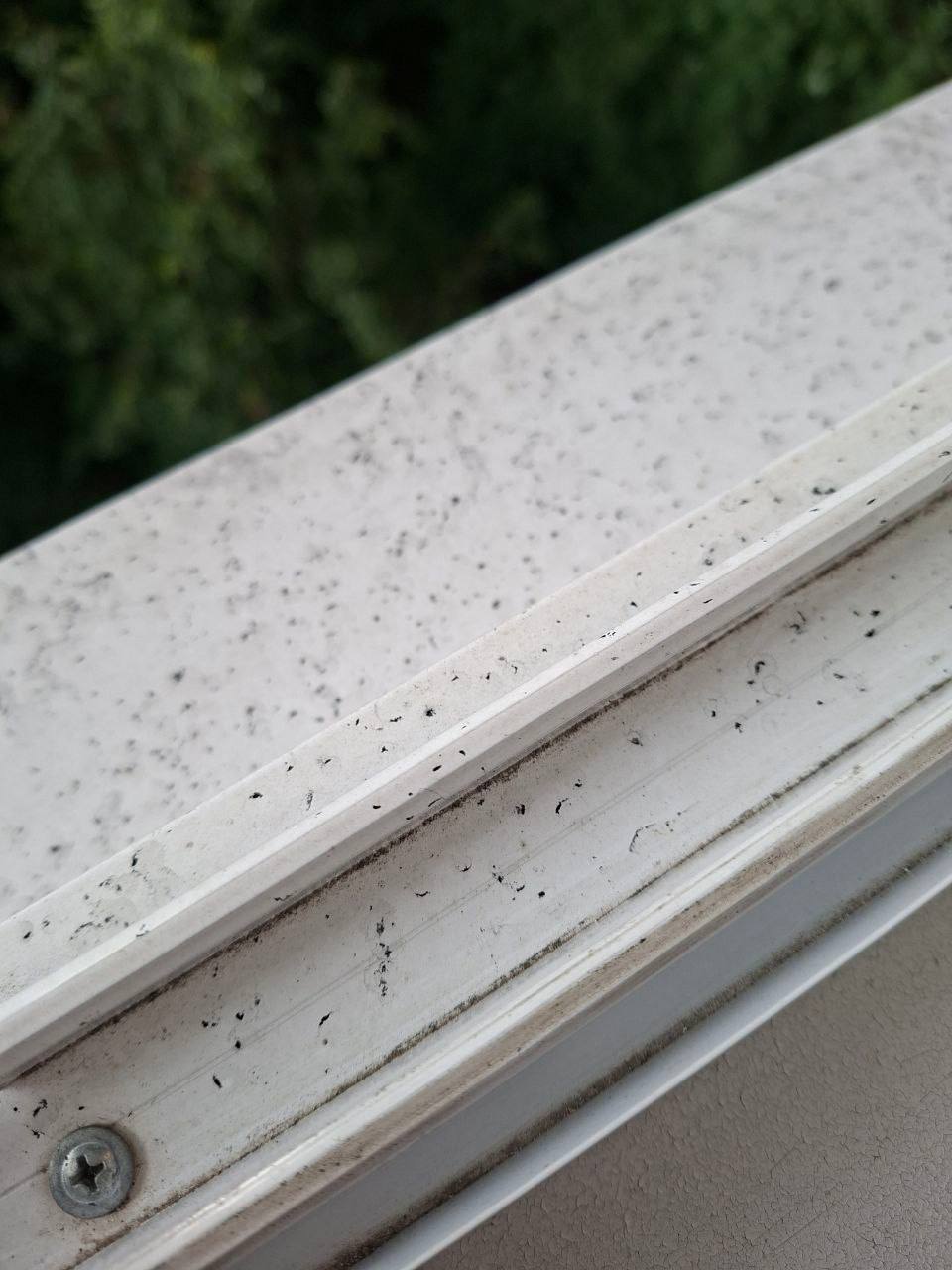
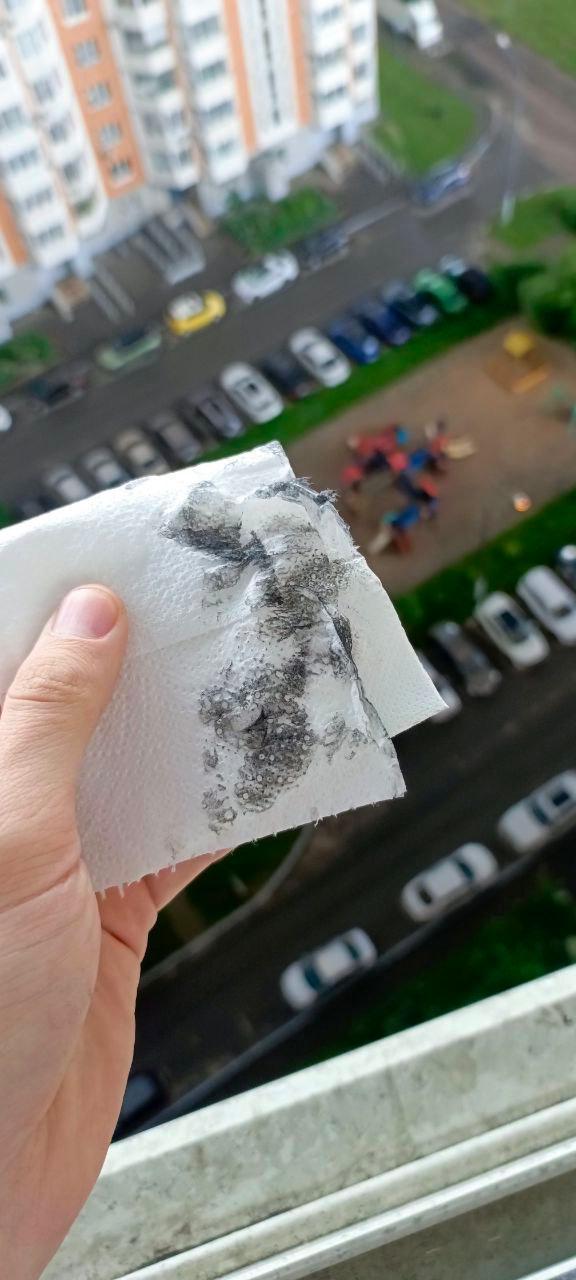
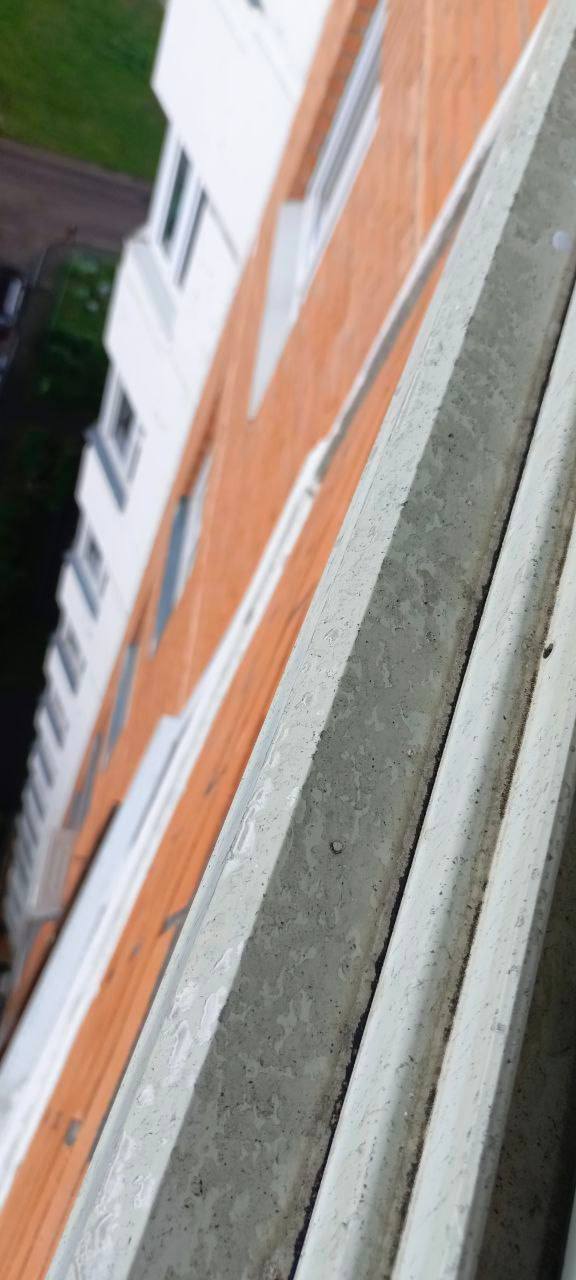


At the same time, the Ministry of Ecology for the Moscow Region stated that no "oil rain" had fallen within the region.
"In Balashikha, people noticed combustion residues settling in the form of soot, just as it forms in a stove or bonfire," the ministry added.
Reaction from the Russian authorities
At the time of the attack, Putin was smiling and taking part in a forum of the Association of Southeast Asian Nations (ASEAN).
Meanwhile, Vladimir Putin’s aide Yuri Ushakov stated that the narrative that Ukraine is making progress in the war does not correspond to reality.
Russian Foreign Minister Sergey Lavrov was the first to react to the strikes on Moscow.
"Russia will carry out regular, massive strikes on Ukrainian Armed Forces targets in response to Kyiv’s terrorist attacks, the task set by Putin is being carried out," he said.
The Russian Ministry of Defence reported of a "record" 992 Ukrainian UAVs allegedly shot down in a single day.
Russian television channels are also reluctant to comment on the strikes on Moscow.
For instance, ‘Channel One’ devoted 40 seconds to the topic, ‘Russia 1’ – 36 seconds, whilst the longest report aired on NTV and lasted 1 minute 19 seconds.
It is likely that the attack on Moscow will not be the last. At least, not if Russia continues its strikes on Ukraine.
"We do not want this war, and we never did. Everyone knows this; our partners know this. We certainly do not want Ukraine to be on fire by the enemy. But if Ukraine is on fire, so too will your Moscow be. That is why we emphasise once again: it is time to end the aggression; it is time to end this war," said President Zelenskyy.


