Ukraine is actively engaging in post-war restoration efforts, collaborating with international partners to rebuild its energy infrastructure and cultural heritage. Initiatives such as the memorandum with the International Atomic Energy Agency and funding from various countries, including Croatia and Denmark, exemplify the global commitment to aiding Ukraine's recovery. The creation of the Ukraine Reconstruction ETF and the allocation of funds by the European Union highlight the financial backing aimed at ensuring a sustainable recovery. Despite these efforts, challenges persist due to continued Russian aggression, emphasizing the need for ongoing international support and strategic planning to fully restore Ukraine's capacity and heritage.
How is Ukraine restoring its energy infrastructure?
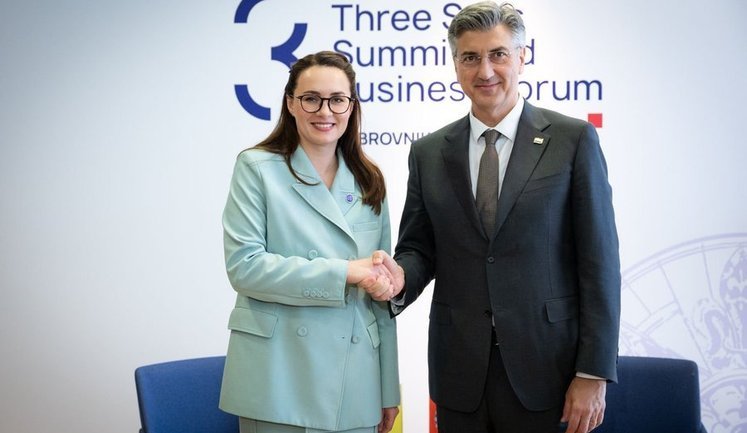
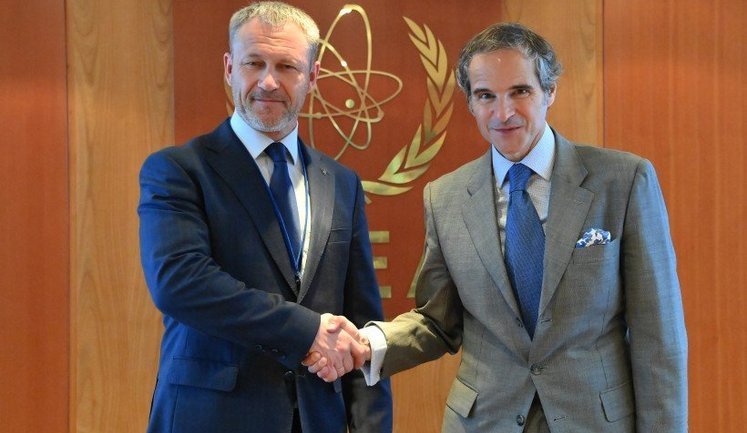
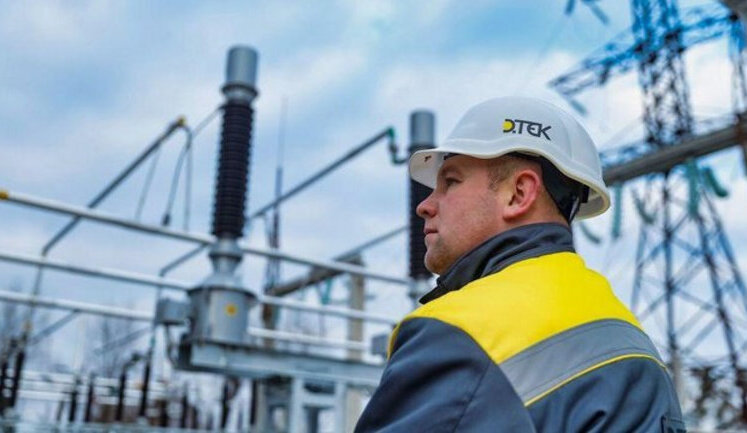
Ukraine is restoring its energy infrastructure through strategic partnerships and international collaboration. The government is working with the International Atomic Energy Agency on a memorandum focused on post-war reconstruction efforts. Additionally, significant financial contributions from countries like Croatia and international partners have been pledged to rebuild the country's energy capabilities, addressing the damages inflicted by the war.
What role do international partners play in Ukraine's recovery?
International partners play a crucial role in Ukraine's recovery by providing financial support, technical assistance, and collaborative initiatives. Support comes from various countries and organizations, bolstering Ukraine's energy security, cultural heritage restoration, and overall economic recovery. This global commitment is vital for ensuring that Ukraine's restoration efforts are sustainable and successful.
What are the key areas of focus for Ukraine's restoration?
Key areas of focus for Ukraine's restoration include rebuilding energy infrastructure, restoring cultural heritage sites, and supporting economic recovery. Efforts are also directed toward securing international funds and resources to facilitate these projects, with the Ukrainian government actively engaging in negotiations and partnerships to bolster recovery efforts amid ongoing challenges.
How is the Ukraine Reconstruction ETF supporting recovery efforts?
The Ukraine Reconstruction ETF is an investment fund launched on a major global stock exchange specifically to support Ukraine's long-term recovery. It provides a mechanism for international investors to contribute to Ukraine's rebuilding process, aiming to generate substantial financial resources that will aid in infrastructure development, energy security, and cultural preservation.
What challenges does Ukraine face in its restoration efforts?
Despite significant international aid and collaborative restoration efforts, Ukraine continues to face challenges due to persistent Russian aggression and ongoing military conflicts. These attacks complicate restoration projects, particularly in energy and infrastructure sectors, requiring continued global support and strategic resilience to overcome present difficulties and achieve full recovery.