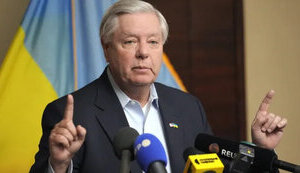
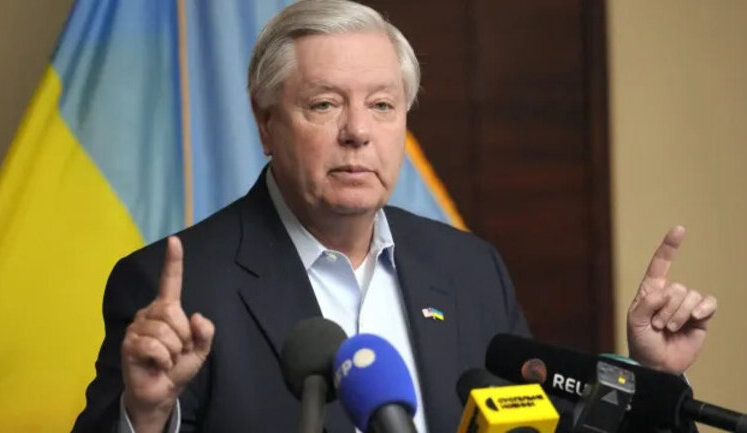
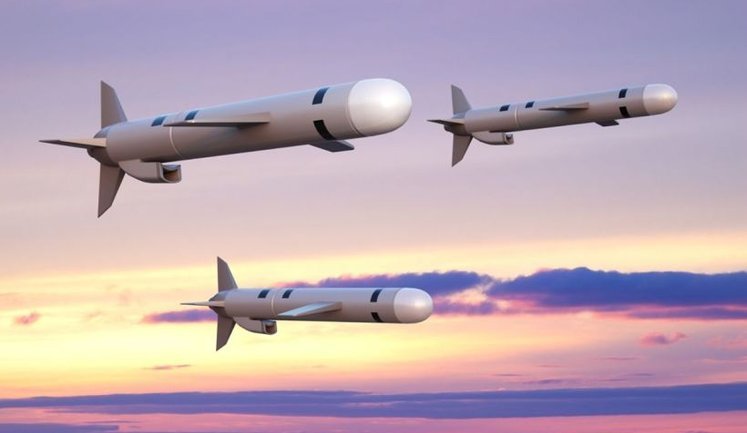
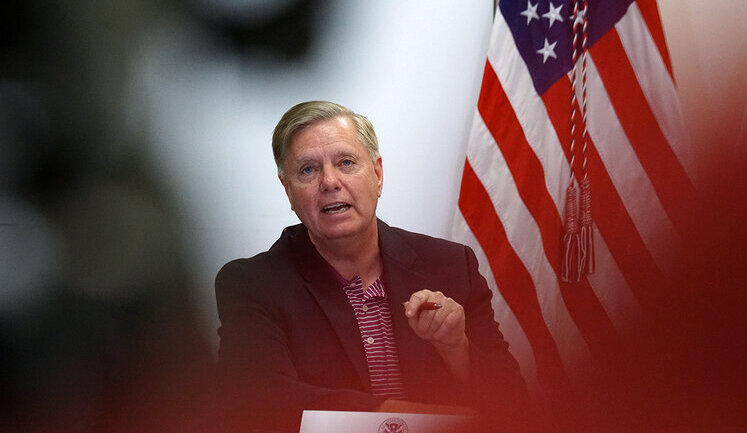
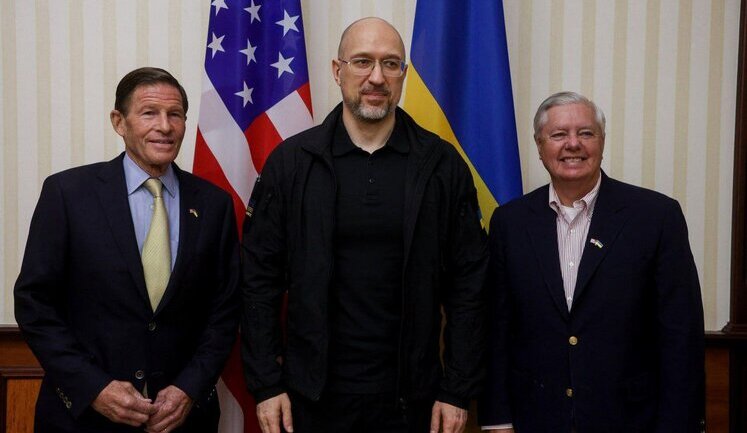
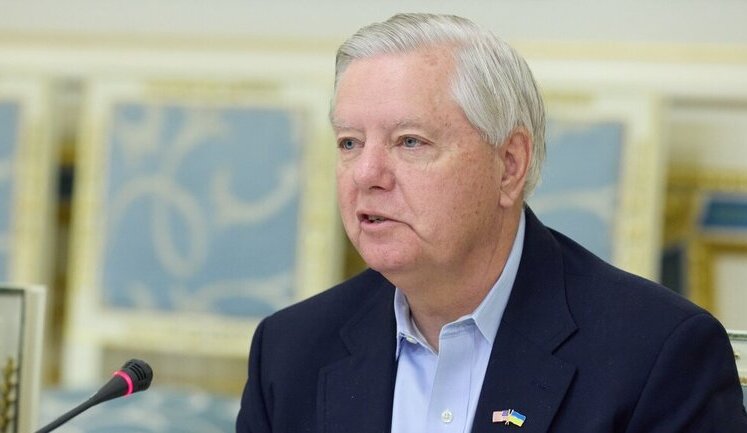
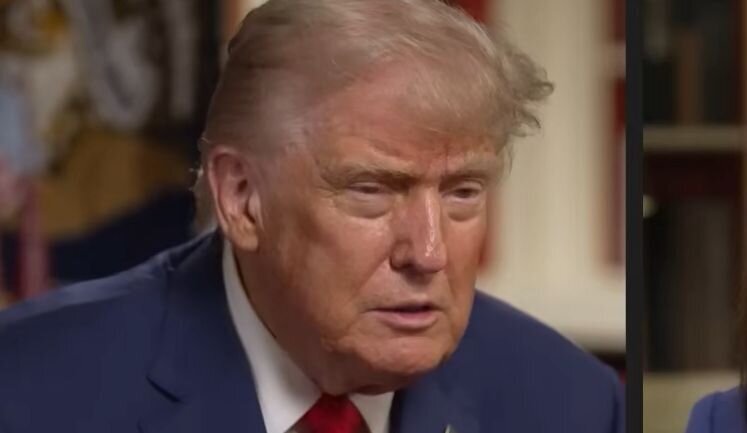
US Senator Lindsey Graham is at the forefront of legislative efforts aiming to impose stringent sanctions on Russia. These initiatives are marked by the bipartisan backing of a bill allowing President Trump to target nations purchasing Russian oil. The intention is to coerce President Vladimir Putin into meaningful peace discussions. Graham's strategic approach extends to recognizing Russia and Belarus as state sponsors of terrorism, notably for their role in the abduction of Ukrainian children. This legislative momentum signifies a clear attempt to alter the geopolitical landscape and exert unprecedented pressure on the Kremlin. The commitment from Congress underscores a coordinated American effort to end the ongoing conflict in Ukraine through diplomatic channels while preparing to enact severe economic penalties on Russia.
What significant actions has Senator Lindsey Graham proposed concerning Russia?
Senator Lindsey Graham has proactively advanced multiple legislative measures targeting Russia. His primary focus lies in imposing sanctions on nations buying Russian oil and gas, pressuring Vladimir Putin into peace talks regarding the Ukraine conflict. Additionally, Graham supports recognizing Russia and Belarus as sponsors of terrorism, primarily due to their alleged involvement in the abduction of Ukrainian children. Together, these actions represent Graham's strategy to utilize economic sanctions as diplomatic leverage.
How does the US Congress view the sanctions bill on Russia led by Senator Graham?
The US Congress is largely supportive of Senator Graham's sanctions bill against Russia. With bipartisan backing, the bill aims to apply unprecedented economic pressures on the Kremlin. It reflects a significant legislative move to curtail Russia's actions in Ukraine by targeting the country's financial interests, notably the strategy to include hefty duties on Russian oil purchasers. This consensus in Congress indicates an assertive US stance on foreign policy issues related to Russia.
What are the international implications of the proposed sanctions on Russia by the US?
The proposed US sanctions, spearheaded by Senator Graham, have substantial international implications. By targeting countries purchasing Russian oil and recognizing Russia as a state sponsor of terrorism, these sanctions could severely impact global energy markets and diplomatic relations. Countries dependent on Russian energy exports may face economic repercussions, prompting shifts in international alliances and potential volatility in energy supplies. The sanctions are a strategic maneuver intended to push for peace negotiations, emphasizing the international community's support for ending the conflict in Ukraine.
What role does President Trump play in the sanctions against Russia?
President Trump plays a crucial role in the implementation of sanctions against Russia. The legislative measures proposed by Senator Graham require President Trump's approval to be enacted. Trump's position is pivotal, as he has the authority to impose these economic penalties, which are designed to pressure the Kremlin into engaging in meaningful negotiations. Trump's administration has also been involved in discussions to potentially modify the sanctions measure for strategic leverage, underscoring the president's significant influence in this geopolitical maneuver.
How would sanctions affect Russia’s relationship with other countries?
The sanctions proposed by the US are likely to strain Russia's relationships with other countries, especially those reliant on Russian energy exports. By imposing heavy tariffs and economic penalties, the sanctions could lead to increased diplomatic isolation for Russia. Countries might reconsider their alliances and energy dependencies, seeking alternative sources to mitigate the impact. This shift targets Russia's economic stability, compelling it to reconsider its foreign and domestic policies and engage in dialogue for peaceful resolutions.
What has been the response from the Kremlin regarding the proposed US sanctions?
The Kremlin has expressed strong opposition to the proposed US sanctions. Russian officials, including spokesperson Dmitry Peskov, have condemned these measures, arguing that they could hinder conflict resolution efforts in Ukraine. The Kremlin perceives the sanctions as a direct threat to its national interests and has accused the US of exacerbating tensions. This response is indicative of the broader discontent and defensive posture adopted by Russia in response to international punitive measures aimed at altering its geopolitical behavior.