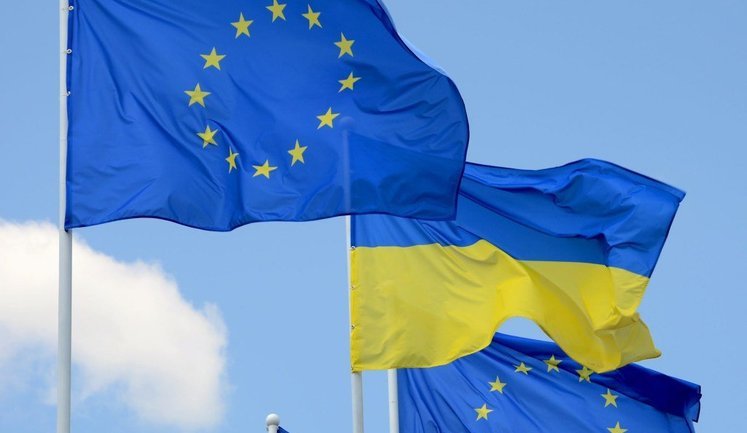
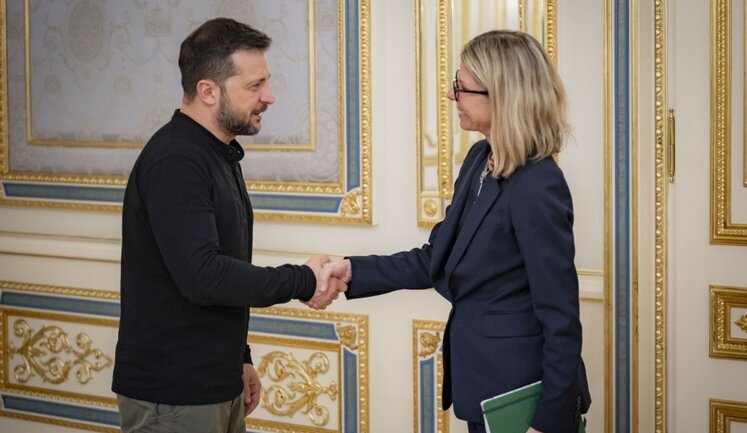
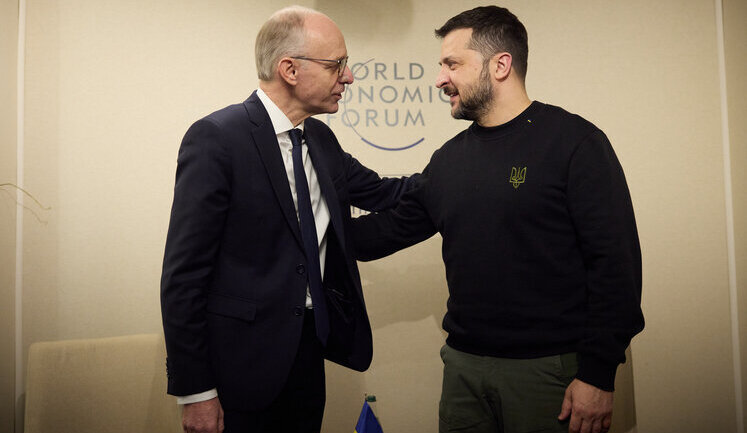
The ongoing conflict between Russia and Ukraine has intensified discussions around the use of frozen Russian assets by the European Union to aid Ukraine. President Volodymyr Zelenskyy has emphasized the importance of these assets, totaling €210 billion, for Ukraine's reconstruction post-war. The idea of employing these funds to finance reparations loans for Ukraine has divided EU member states, with countries like Belgium expressing reservations. Debates continue as EU leaders, pressured by both the US and internal politics, strive to finalize decisions that could have significant geopolitical and economic consequences. Russia condemns the move, labeling it as financial "robbery," while Ukraine insists on the essential support these funds could provide for its survival and recovery. Discussions on the appropriate use of these frozen assets remain a key issue, with proposals being scrutinized and evaluated for their long-term implications.
Why are the frozen Russian assets significant in international politics?
Frozen Russian assets are significant because they represent a critical financial resource that Ukraine hopes to use for reconstruction and defense following its ongoing war with Russia. The allocation of these funds is a major point of debate within the EU and has implications for international relations, economic sanctions, and geopolitical balance. Moreover, the utilization of these assets could serve as a precedent for future conflicts and reparations discussions.
What is the EU's stance on the use of frozen Russian assets?
The European Union is currently divided on the use of frozen Russian assets. Some member states support using these assets to provide financial assistance to Ukraine through reparations loans, while others, such as Belgium, have expressed concerns over the legal and economic ramifications. The EU is under pressure to forge a consensus, which is crucial for providing the necessary aid to Ukraine and maintaining unity within the bloc.
How does Ukraine plan to use the funds from frozen Russian assets?
Ukraine plans to use the funds from frozen Russian assets primarily for reconstruction and stabilization purposes. This includes rebuilding infrastructure, reinforcing the energy grid, and maintaining its defense capabilities. President Zelenskyy has highlighted the critical nature of these funds in ensuring Ukraine's economic stability and survival amidst ongoing hostilities with Russia.
What are the challenges in utilizing frozen Russian assets for Ukraine?
The primary challenges in utilizing frozen Russian assets for Ukraine include legal hurdles, EU member state disagreements, and potential geopolitical consequences. Legal frameworks need to be established to legitimately transfer these funds, while reaching a consensus within the EU is complicated due to varying national interests. Additionally, Russia’s opposition and potential retaliatory measures add complexity to the situation.
How has Russia responded to the EU's discussions on frozen assets?
Russia has strongly opposed the EU's discussions on using its frozen assets, branding the move as "robbery" and warning of severe repercussions. Russia’s leadership perceives the potential transfer of these funds as a violation of international norms and remains adamant that such actions could lead to diplomatic and economic fallout, straining relations further with the EU and its allies.
What role does the United States play in the frozen assets debate?
The United States has actively participated in the frozen assets debate, urging the EU to employ these funds to assist Ukraine, despite some internal dissent. The US government stresses the importance of leveraging these assets for economic and strategic advantages, underscoring their potential efficacy in supporting Ukraine against Russian aggression and stabilizing the region.
Are there any alternative proposals for dealing with the frozen Russian funds?
Yes, alongside the reparations loan proposal, there are alternative suggestions, such as joint borrowing schemes and strictly maintained sanctions rather than immediate allocation. These alternatives aim to balance legal constraints with pragmatic aid strategies, seeking to ensure that monetary support does not provoke unnecessary political or economic instability within the EU or its global partners.