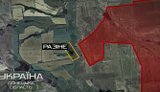
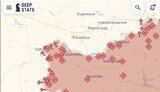
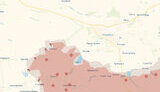
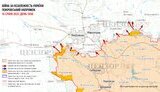
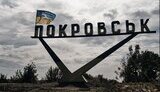
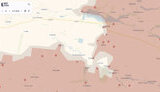
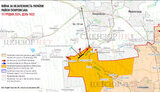
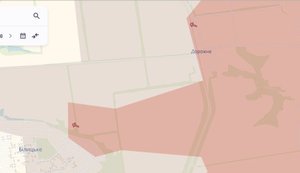
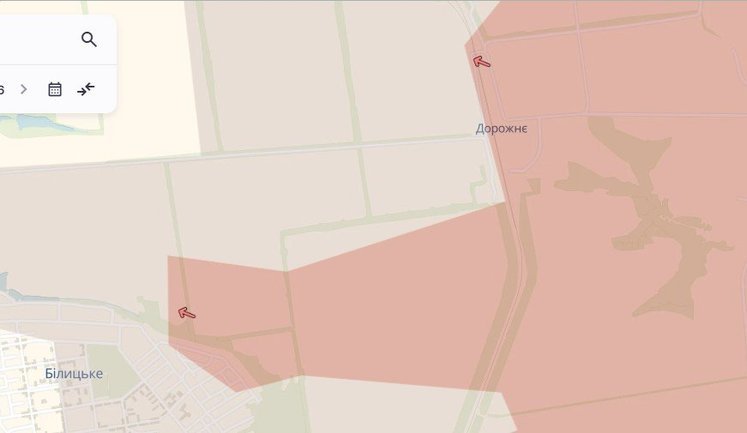
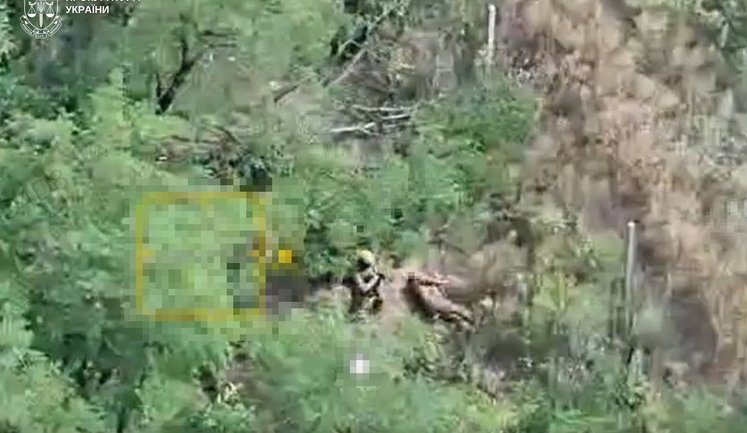
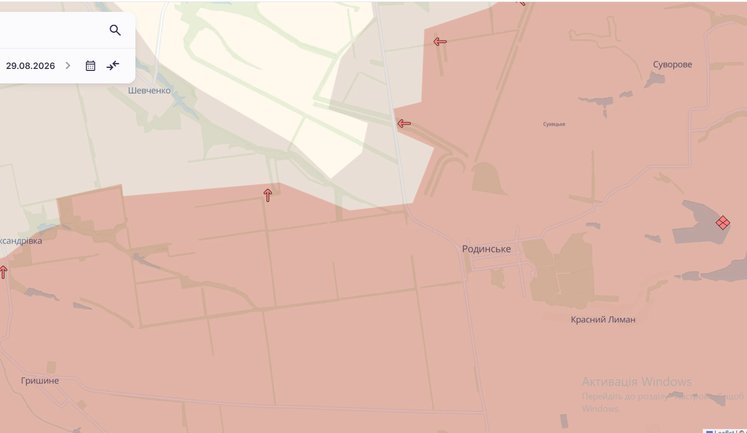
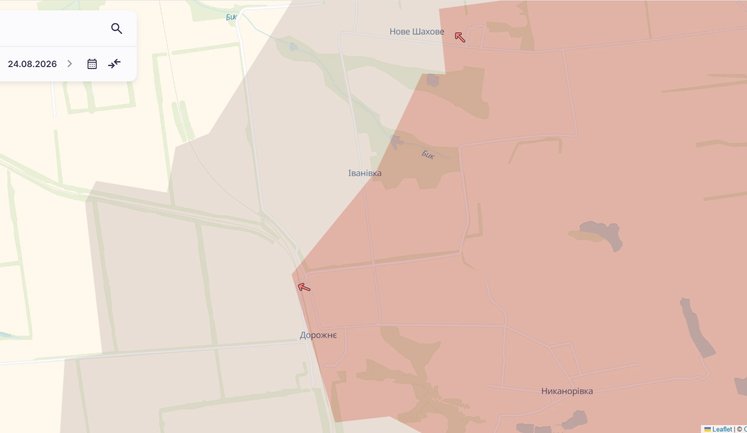
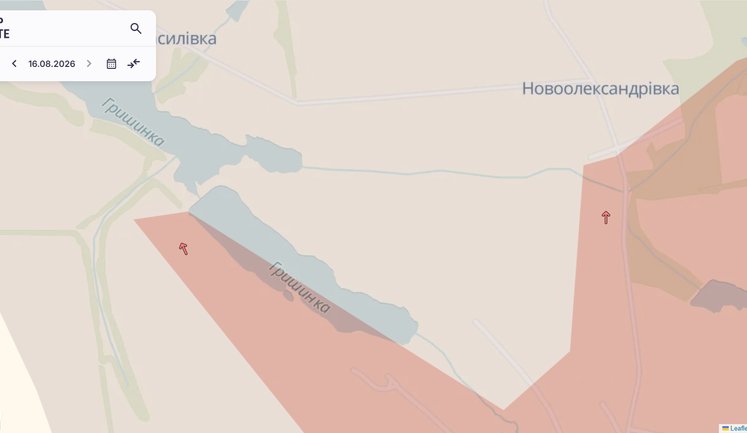
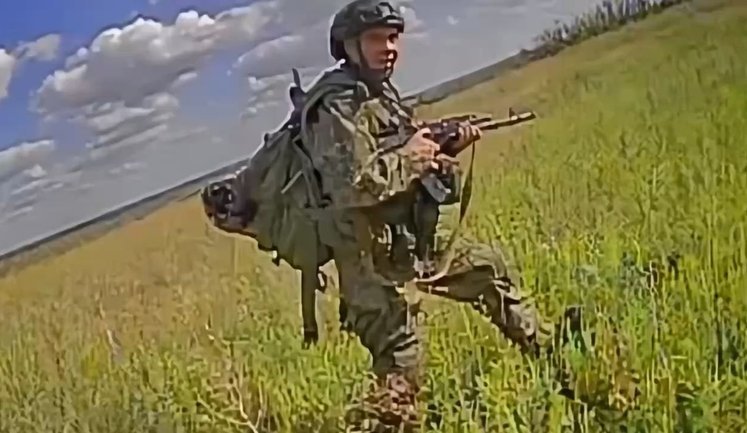
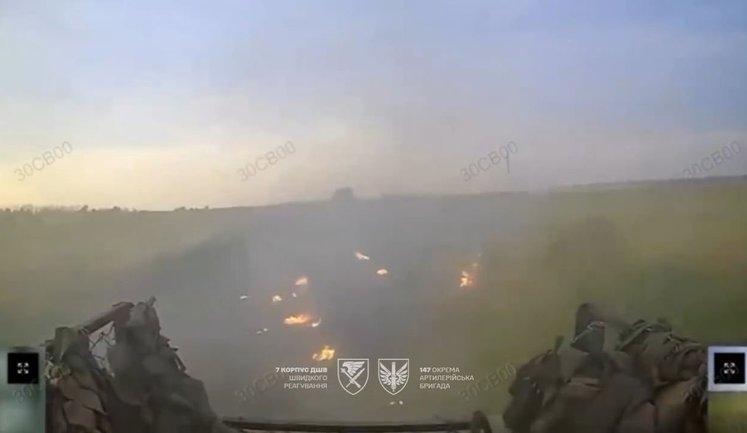
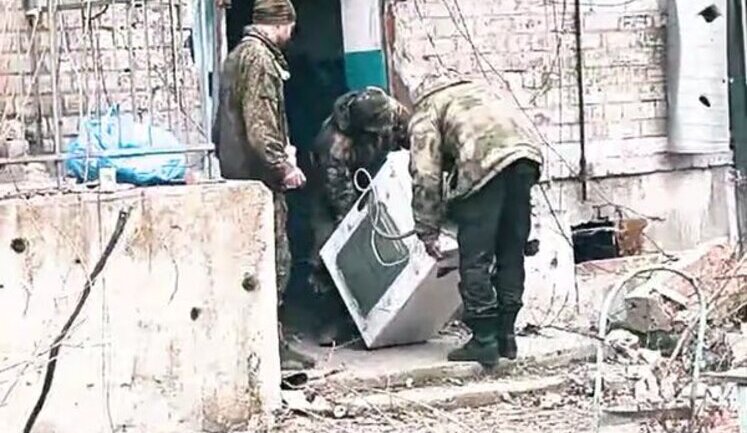
The Pokrovskyy district in Donetsk region continues to be a hotspot of military activity. Russian forces are advancing near key locations like Sukhetske and Rodynske, causing concern about the security of surrounding areas. Recent reports indicate heavy shelling in Donetsk and Kharkiv, resulting in significant civilian casualties and damage to infrastructure. Meanwhile, Ukrainian defense forces are responding with strategic HIMARS strikes and drone operations to disrupt Russian logistics. The conflict has intensified, highlighting the unpredictable nature and evolving strategies of both sides in the ongoing war in Ukraine. Military analysts emphasize the strategic importance of Pokrovskyy for controlling the broader Donetsk region.
What are the key locations under threat in Pokrovskyy district?
Recent reports highlight Sukhetske and Rodynske as critical locations experiencing Russian advances in the Pokrovskyy district of Donetsk. These areas are strategically important for controlling the broader region.
How has the Ukrainian military responded to the Pokrovskyy threat?
The Ukrainian military has launched precision strikes using HIMARS and drones, aiming to disrupt Russian logistics and counter the advances in the Pokrovskyy sector. These efforts are part of broader defensive operations.
What impact have the recent conflicts in Pokrovskyy had on civilians?
The ongoing military actions in the Pokrovskyy district have led to civilian casualties, with reports of deaths and injuries due to shelling in residential areas. The destruction of infrastructure adds to the humanitarian challenges.
What strategic importance does Pokrovskyy district hold?
Pokrovskyy district is strategically located in the Donetsk region, making it a focal point for control over key supply routes and military positions. Its capture and defense are crucial for both Russian and Ukrainian forces.
How are unmanned systems being used in the Donetsk conflict?
Unmanned systems, including drones, are playing a pivotal role in reconnaissance and direct attacks on enemy positions. Both sides utilize this technology to enhance their operational effectiveness and strategy in Donetsk.