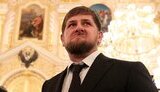
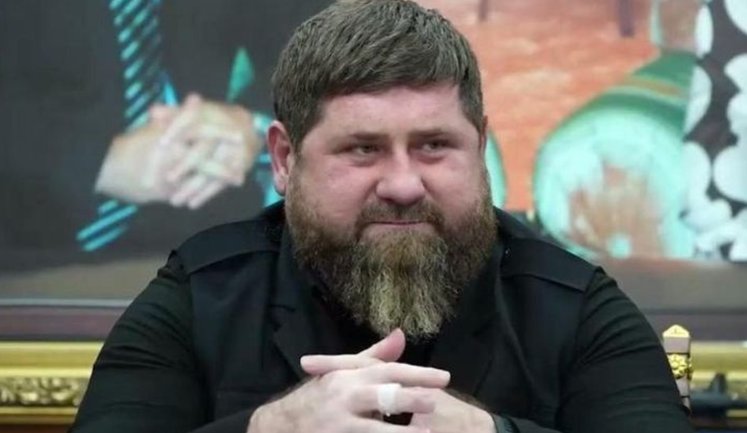
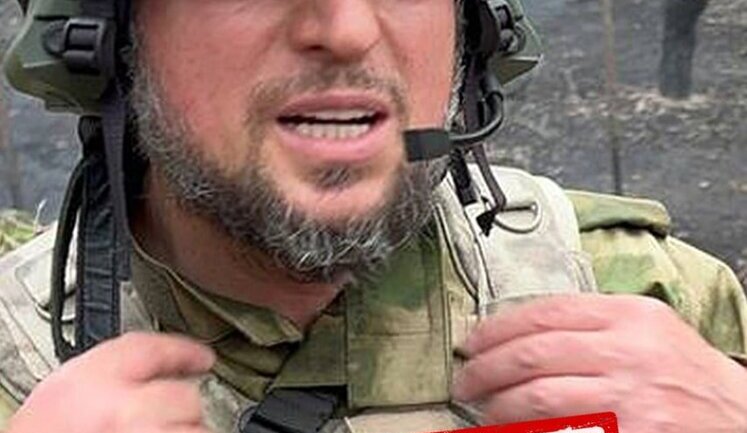
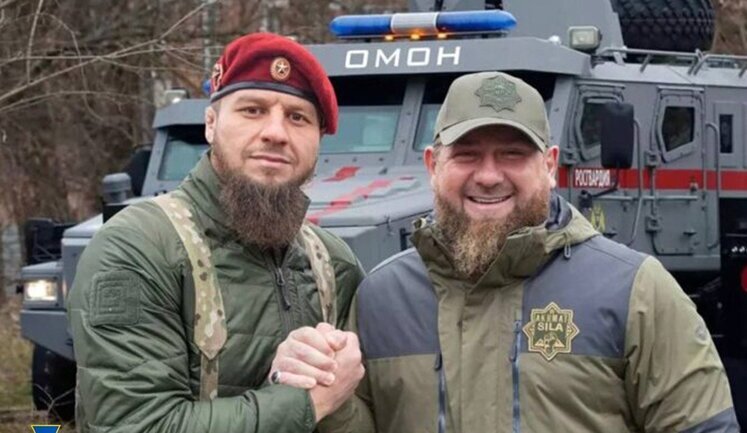
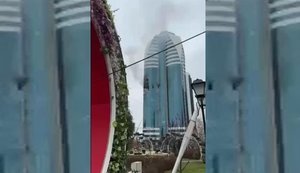
Ramzan Kadyrov, the influential Chechen leader, is at the center of numerous incidents involving military conflicts and international sanctions. Several recent attacks have targeted prominent sites associated with Kadyrov, such as the Grozny City complex, which suffered damage from a drone strike. The Akhmat unit, a faction loyal to Kadyrov, experienced similar assaults in Gudermes and Grozny. The United Kingdom has imposed sanctions on individuals connected to the deportation of Ukrainian children, with Kadyrov's mother included. These developments highlight Kadyrov's extensive influence across Russian operations, prompting global scrutiny. This ongoing situation intensifies the geopolitical tensions involving Russia and reinforces the critical position Kadyrov holds in these narratives.
What is the Grozny City complex and why was it attacked?
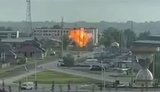
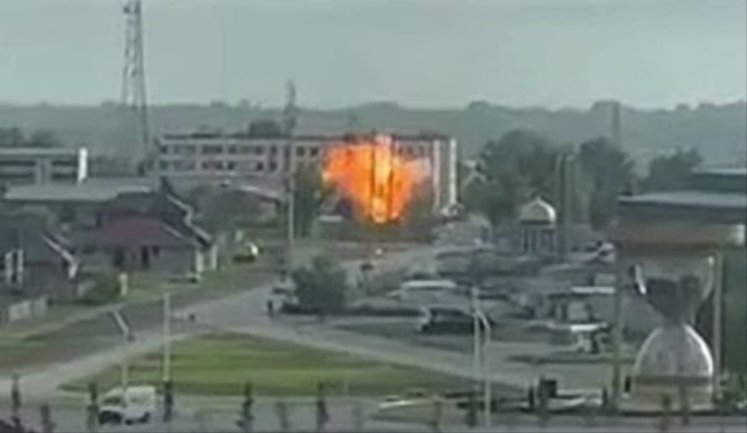
The Grozny City complex, located in Chechnya's capital, is a significant architectural site. Recently, it was subjected to a drone attack that severely damaged its structure. This assault is part of ongoing conflicts in the region, which have seen repeated targeting of sites connected to influential figures like Ramzan Kadyrov, reflecting the persistent unrest and opposition within and outside Chechnya.
Who are the "Kadyrovites" mentioned in recent news?
The "Kadyrovites" refer to troops loyal to Ramzan Kadyrov, the current head of the Chechen Republic. They are known for their involvement in various military actions and operations both within Chechnya and in broader Russian military activities. These forces are often in the spotlight due to their aggressive tactics and Kadyrov's controversial policies.
Why did the UK impose sanctions related to Kadyrov?
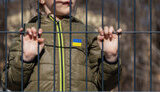
The United Kingdom imposed sanctions on entities and individuals associated with the forced deportation and militarization of Ukrainian children. These sanctions include members of Kadyrov's inner circle, highlighting international disapproval of such practices. This move underscores the growing international tensions surrounding Kadyrov and his methods, further isolating him and his allies on the global stage.
What impact does Kadyrov's influence have on international relations?
Kadyrov's influence significantly affects international relations, primarily due to his close ties with the Kremlin and his controversial actions that often defy international law. His military units' involvement in aggressive tactics and reported human rights abuses contribute to strained diplomatic ties, particularly with Western nations who have imposed sanctions in response to these issues.
How have Kadyrov's forces responded to military setbacks?
Kadyrov's forces have faced numerous military setbacks, yet they remain a persistent element in regional conflicts. Despite losses, such as the recent drone strikes and territorial retreats, these forces often regroup and continue their operations, showcasing resilience and a strategic recalibration to maintain their influence and objectives in ongoing conflicts.
What are the recent developments in Kadyrov's military tactics?
Recent developments in Kadyrov's military tactics include increased use of drone warfare and targeting of strategic facilities. These tactics reflect an adaption to modern warfare norms and the ongoing need to project power despite substantial opposition. The escalation of such tactics also highlights the geopolitical strain and the readiness for unconventional warfare in the region.
Are there humanitarian consequences to Kadyrov's actions?
Yes, Kadyrov's actions have had significant humanitarian consequences, particularly in regions like Ukraine and Chechnya, where military operations often lead to civilian displacement and casualties. The international community remains concerned about reports of human rights abuses, including forced deportations and indoctrination, which further exacerbate humanitarian crises in the affected areas.