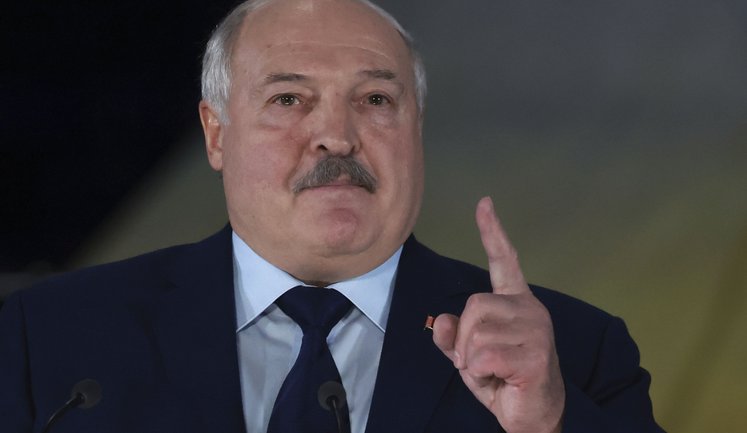
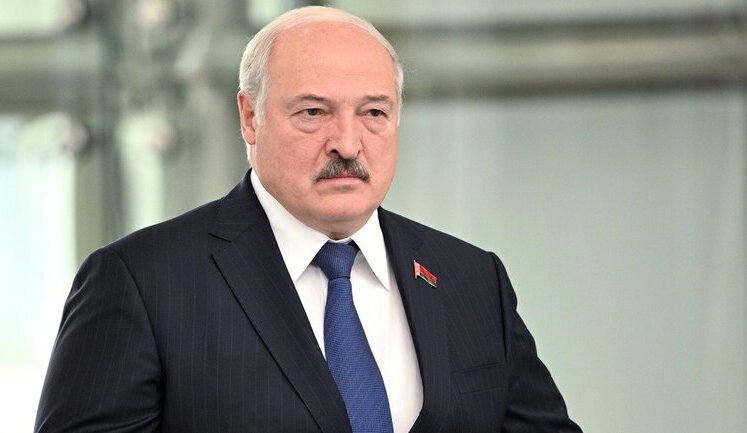
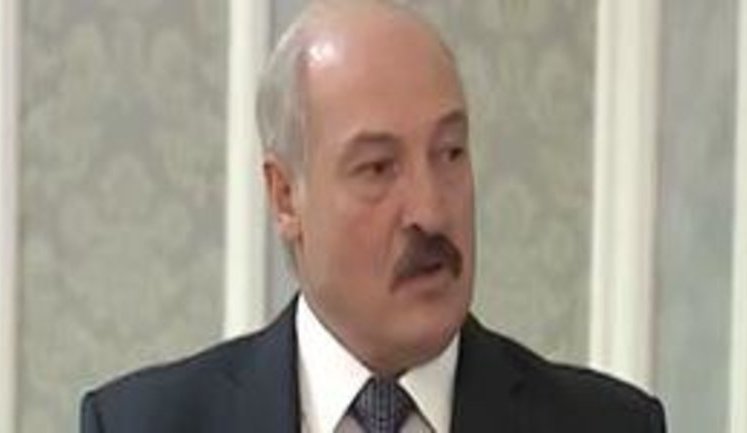
Belarusian leader Alexander Lukashenko continues to make headlines with his bold geopolitical strategies amidst complex global dynamics. Recently, his contemplation on face-to-face meetings with Donald Trump highlights his ongoing desire for international recognition, despite being labeled a dictatorial figure. Meanwhile, tensions remain high as he threatens Ukraine and NATO with the "Oreshnik" missile system, amplifying regional insecurity. Lukashenko’s recent inclusion in Trump's "Peace Council" on the Gaza Strip reflects his attempts to insert Belarus into significant international dialogues, while Ukraine escalates sanctions against his regime, showcasing the global friction his actions provoke.
What are the current sanctions against Alexander Lukashenko?
Ukraine has expanded its sanctions against Alexander Lukashenko, targeting his family and close associates. This is part of a broader strategy to apply pressure on his regime, which is deemed dictatorial by many international observers. The sanctions are a response to Belarus's perceived aggression and Lukashenko's controversial political maneuvers.
How has Lukashenko threatened Ukraine and NATO recently?
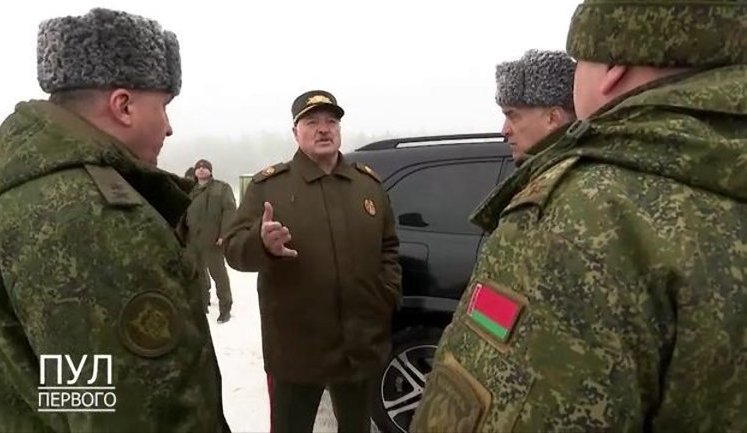
Belarusian leader Alexander Lukashenko has recently escalated tensions by threatening both Ukraine and NATO with the deployment of the Russian "Oreshnik" missile system within Belarus. These threats heighten regional insecurity and emphasize his willingness to leverage military capabilities as a political tool in his international relations.
Why might Lukashenko be meeting with Donald Trump?
The consideration of a meeting between Alexander Lukashenko and Donald Trump reflects ongoing political maneuvering by the Belarusian leader to establish and maintain foreign relations. Such a meeting could serve Lukashenko's interests in gaining legitimacy and influence on the international stage, despite his contentious standing worldwide.
What role does Belarus play in the conflict between Ukraine and Russia?
Belarus, under Alexander Lukashenko's leadership, has been embroiled in the conflict narrative between Ukraine and Russia, often aligning with Russian interests. His regime has been accused of facilitating Russian military operations and refusing EU peacekeeper deployments in Ukraine, thus entrenching its controversial role in regional geopolitics.
Has Alexander Lukashenko shown any interest in peace negotiations?
Alexander Lukashenko has expressed a dubious interest in peace negotiations, claiming readiness to host discussions in Minsk. However, his threats towards neighboring countries and alignment with Russia cast doubt on his genuine commitment to peaceful resolutions, raising questions about his true intentions behind these proposals.
What is the significance of the "Peace Council" on Gaza for Belarus?
By joining Donald Trump's proposed "Peace Council" on Gaza, Alexander Lukashenko aims to extend Belarus's diplomatic reach and portray itself as a contributor to international peace efforts. This involvement is also seen as a strategic move to offset negative perceptions about his leadership style and alignments.