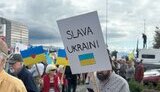
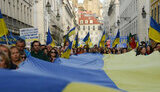
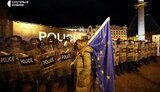
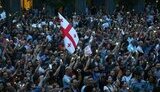
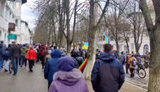
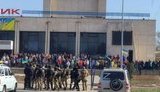
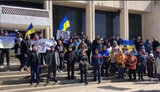
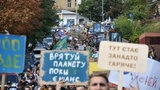
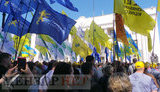
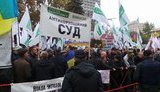
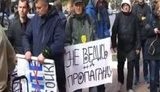
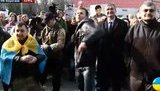
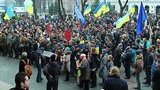
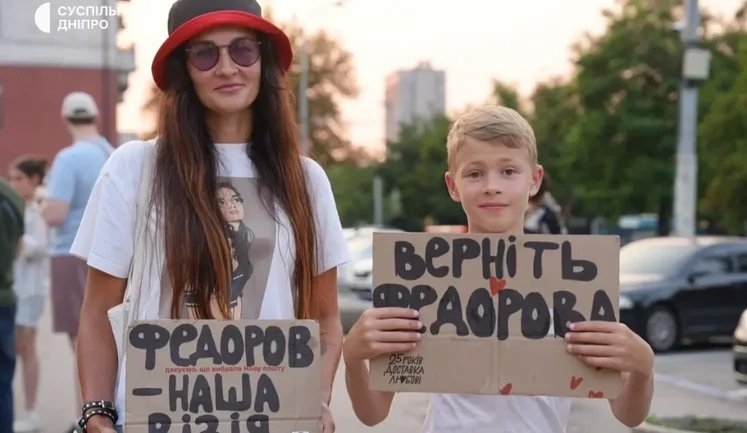
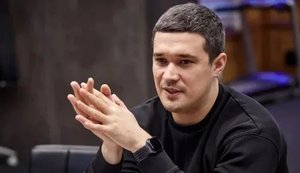
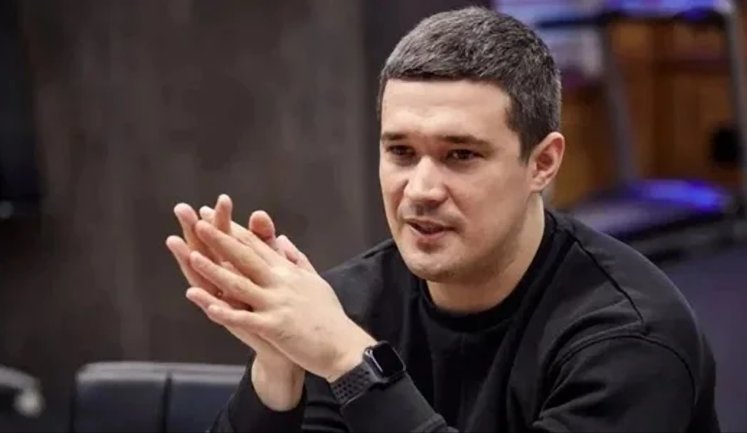
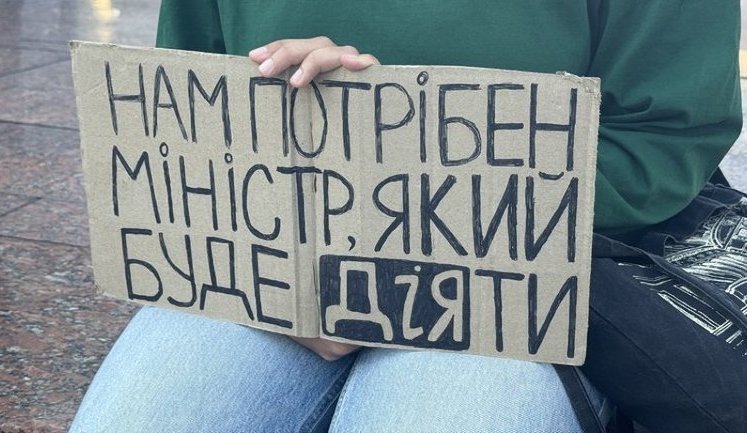
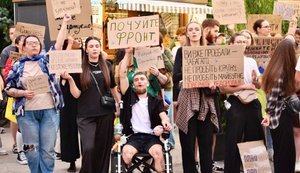
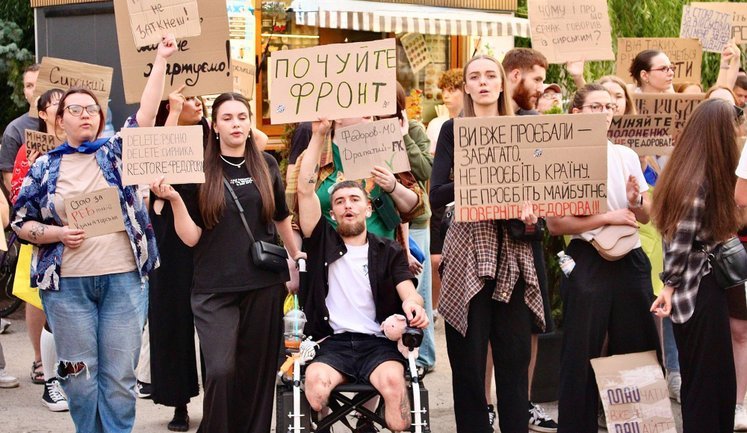
Massive public meetings and protests continue in Ukraine, centered around the former Defence Minister Mykhailo Fedorov. As supporters rally across cities, they demand his reinstatement, showing their dedication through sustained gatherings for over three weeks. Despite stepping down and not engaging in meetings with protesters, Fedorov's impact remains significant in Ukraine's society. Citizens insist on change, also targeting high-profile figures like Commander-in-Chief Oleksandr Syrskyi, urging for leadership changes. The meetings echo larger societal and political sentiments, reflecting challenges amid martial law and the dynamic political landscape. Public demonstrations highlight the power of collective voices in Ukraine's complex political environment.
What led to the mass protests in Ukraine for 23 consecutive days?
The resignation of Mykhailo Fedorov as Defence Minister has sparked consistent rallies across Ukraine. Demonstrators demand his reinstatement, demonstrating their continued support despite martial law. Fedorov's leadership and the public desire for change in defense policies play significant roles in these meetings.
Why has Mykhailo Fedorov refused to meet with protesters?
Although previously influential, Mykhailo Fedorov has abstained from joining any formal meetings with protesters. He respects the ongoing martial law and refrains from opposition politics, advocating for stability and focusing on responsible transitions within Ukraine's government.
How has the public reacted to Oleksandr Syrskyi's leadership amidst these protests?
Public sentiment has turned critical towards Oleksandr Syrskyi, with frequent calls for his dismissal. Protests indicate a desire for new leadership, driven by perceived inadequacies in his handling of military affairs and the public's call for comprehensive reforms in Ukraine's defense sector.
What are the broader implications of these protests for Ukraine?
The protests signify strong public advocacy for political reform, emphasizing accountability and transparency. They underline significant societal demands for effective governance, reflecting larger national and international pressures on Ukraine's political system to evolve and meet citizens' needs.
What challenges does the Ukrainian government face due to these protests?
The government faces increasing pressure to address public grievances while maintaining stability amid martial law. Balancing civic freedoms with security, managing leadership transitions, and responding to the public's demands for policy reforms are pivotal challenges for Ukraine's leaders.
How have these meetings and protests impacted Ukraine's political scenario?
Meetings and protests reflect the dynamic political landscape in Ukraine, with citizens actively engaging in demanding political reform and accountability. These demonstrations have heightened political discourse and pressured the government to align policies with public expectations and democratic values.