8582 visitors online
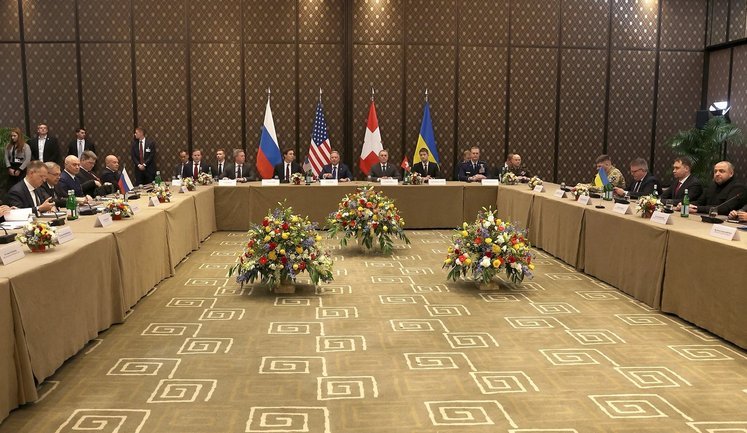
As 2026 unfolds, negotiations surrounding Ukraine feature prominently on the global stage. Despite Ukraine's readiness to negotiate peace, progress remains stymied by complex geopolitical dynamics. President Zelenskyy emphasizes the need for talks, suggesting venues outside of Russia and Belarus, though no concrete dates are set for a new trilateral meeting between Ukraine, the US, and Russia. Erdogan has offered Turkey as a venue, showcasing Turkey's commitment to facilitating peaceful resolutions. Meanwhile, Europe's involvement in negotiations is urged by Finnish Prime Minister Orpo. Information discrepancies and shifting global focus, particularly towards the Middle East, complicate direct dialog, leaving security agreements and specific negotiation outcomes uncertain.

What are the primary goals of the Ukraine negotiations?

The Ukraine negotiations primarily aim to achieve a peaceful resolution to the ongoing conflict between Ukraine and Russia. These talks seek to establish security guarantees, territorial understandings, and ultimately, a comprehensive peace agreement. The discussions typically involve multiple parties, including the United States, as they navigate the challenges of diplomacy in a war-torn region, with a focus on creating a stable and secure future for Ukraine.

Why are the trilateral talks between Ukraine, the US, and Russia delayed?

The trilateral talks are delayed due to several factors, including complex security conditions and the shifting diplomatic focus, particularly towards conflicts in the Middle East involving Iran. These dynamics complicate setting a concrete schedule for meetings, as all sides navigate both their immediate and broader regional priorities, balancing domestic pressures and international diplomatic commitments.

Is Europe involved in the Ukraine peace negotiations?

European involvement in the Ukraine peace negotiations has been advocated, notably by Finnish Prime Minister Petteri Orpo, who has called for Europe to take more responsibility in the peace process. However, the precise role Europe will play remains to be formalized, as talks predominantly feature Ukraine, Russia, and the United States, amid varying geopolitical interests and capacity for mediation.

What impact does the Middle East conflict have on Ukraine negotiations?

The Middle East conflict impacts Ukraine negotiations by redirecting diplomatic focus and resources from the United States and other geopolitical players. This diversion stalls efforts and delays scheduled talks, as involved parties prioritize their responses to the emergent crises in the Middle East, thereby affecting the consistency and momentum required for productive peace talks regarding Ukraine.

What venues are considered for future Ukraine peace talks?

Future venues for Ukraine peace talks have been suggested to include Turkey, Switzerland, and other neutral locations. President Zelenskyy has proposed talks could occur anywhere except Russia and Belarus, as Ukraine seeks environments perceived as impartial to facilitate dialogue. The selection of venues is also influenced by ongoing security assessments and diplomatic opportunities.

What are the main challenges to achieving peace in Ukraine?

The main challenges to achieving peace in Ukraine include geopolitical complexities, such as differing interests between negotiating parties, fluctuations in international focus, and security concerns. Russia's position on territorial concessions and the dynamics of the trilateral relations involving the United States further complicate reaching a viable and lasting peace settlement. Additionally, domestic and international pressures contribute to the delicate nature of negotiations.

How does the Ukrainian public view the ongoing peace negotiations?

A significant portion of the Ukrainian public remains skeptical about the efficacy and outcome of the ongoing peace negotiations. Surveys indicate that many Ukrainians doubt that these discussions will lead to a sustainable resolution. This sentiment reflects public awareness of the challenging geopolitical landscape and the uncertainty surrounding the negotiation processes.

What strategies are being considered to advance the Ukraine peace talks?

To advance Ukraine peace talks, strategies involve identifying neutral venues, engaging new diplomatic mediators, and balancing pressures among involved parties to sustain focus on dialogue. Engaging Europe more actively has been suggested, as well as intensifying diplomatic pressure on Russia for concessions while maintaining communications with international allies.

Why is Russia reportedly hesitant in the Ukraine peace talks?

Russia's hesitancy in Ukraine peace talks stems from strategic calculations and priorities, including territorial interests and conditions for negotiating concessions. Moscow's position often fluctuates based on perceived military changes and international diplomatic pressure, complicating interactions with Ukraine and allied parties attempting to negotiate a settlement.

What role does the United States play in Ukraine's negotiations?

The United States plays a crucial role in Ukraine's negotiations by providing support, facilitating dialogues, and leveraging its diplomatic influence to encourage peaceful resolutions. The U.S. participates directly in trilateral talks while balancing other geopolitical priorities, like those in the Middle East, that could influence its level of engagement and focus on Ukraine.

show details

Articles negotiations

Greetings "You can’t keep piss in people’s faces" "You can’t keep piss in people’s faces," I yelled at Zelenskyy today in my dream. "People aren’t ready to die and fight for a country that disrespects them and hypocritically deceives them." 41 145 207 Previously in trend: Peace negotiations

At the talks in Turkey on 15 May, Ukraine will demand only one thing: a 30-day ceasefire. 28 points: peace that reeks of defeat "Ukraine may now face a very difficult choice: either a loss of dignity or the risk of losing a key partner; either a complex 28-point plan or an extremely hard winter," President Volodymyr Zelenskyy said in his address to the nation on 21 November. This is his response to a draft peace plan put forward by the United States. 5 848 17 Previously in trend: Peace negotiations Peace plan

US President Donald Trump Attrition talks, or how to say "no" right way This is one of those cases where Ukraine can, in good conscience, use the ruscist "diplomatic" model of denial: "Yes, but…" 8 497 17 Previously in trend: Negotiations with the USA US demands for Ukraine in peace talks

Trump Zelenskyy Trump vs Zelenskyy. Impact on war of events related to negotiations On the latest developments related to the negotiations that the United States is currently conducting with the Russian Federation regarding the end of the war in Ukraine. 8 129 22
Стамбульські домовленості Declaration "against" state sovereignty, or what is worst in Istanbul drafts The recently published drafts of the so-called "Istanbul agreements" are interesting primarily for their preamble with a reference to the Declaration of State Sovereignty of Ukraine. 21 733 55 Previously in trend: War

Ukraine needs peace but not at all costs Ukraine needs peace but not at all costs Ukraine is at the center of a U.S. domestic political crisis that may impact the American presidency and weaken Ukraine at a critical moment. 4 803 29 Previously in trend: Russian aggression against Ukraine

трамп Anxious Ukraine holds its breath ahead of Trump-Putin Summit Aboard Air Force One on June 29, U.S. President Donald Trump suggested he may consider recognizing Russia's claim to Crimea, which was forcibly annexed from Ukraine in 2014. 3 129 0 Previously in trend: Russian aggression against Ukraine Occupation of Crimea Occupied territories - Crimea and Donbas

Ukraine Deserves Debt Relief Ukraine Deserves Debt Relief The war-torn country is working hard on the reforms that will get the economy back on its feet. 373 0

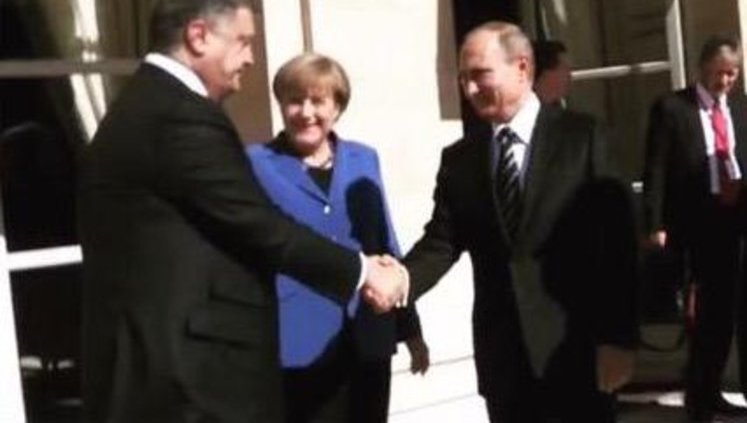
Leaders in Ukraine Talks Announce Cease-Fire Agreement Leaders in Ukraine Talks Announce Cease-Fire Agreement 16-hour overnight negotiations in Minsk between leaders of Ukraine, Germany, France, and Russia ended with a renewed cease-fire and a number of other agreements regarding the Ukraine's troubled Donbas region. Censor.NET reprints The New York Time's article analyzing the talks outcome. 168 0