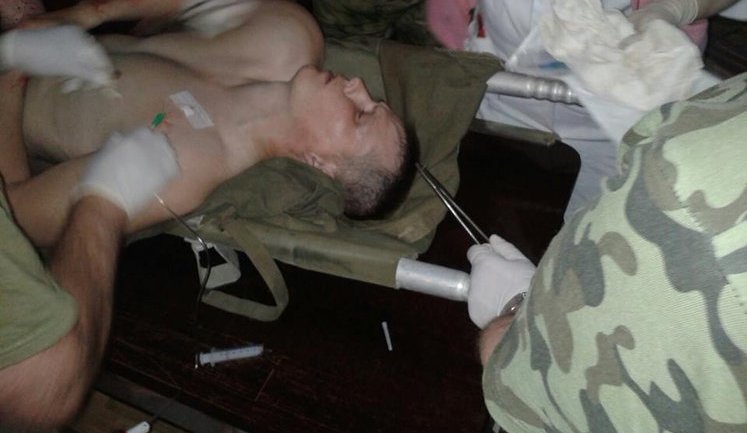
In the continuing saga of captivity during the conflict between Russia and Ukraine, various key developments have emerged. Notably, Ukrainian efforts have led to the release of over 8,000 captives over four years, showing the importance of coordinated strategies for freeing prisoners. The use of advanced technologies, such as drones and robotic systems, has been pivotal in capturing enemy soldiers, highlighting the evolving nature of warfare. Furthermore, the psychological and physical challenges faced by captives, including journalists and military personnel, underline the humanitarian aspect of the conflict. The capture and exchange of prisoners remain central to the conflict's narrative and ongoing attempts to resolve tensions.
What has been the impact of drones on captives during the conflict?
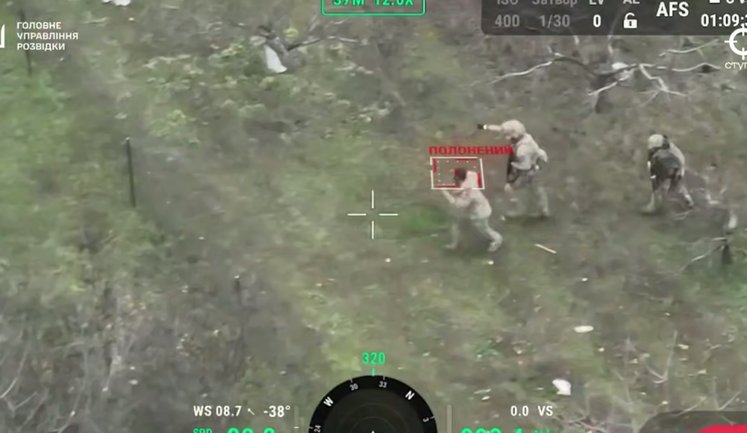
Ukrainian drones and ground-based robotic systems have significantly impacted the conflict by capturing enemy soldiers with less risk to human military personnel. This approach has forced many Russians to surrender, underscoring the critical role of technology in modern warfare and prisoner capture efforts.
How many Ukrainian individuals have been released from captivity since the conflict began?
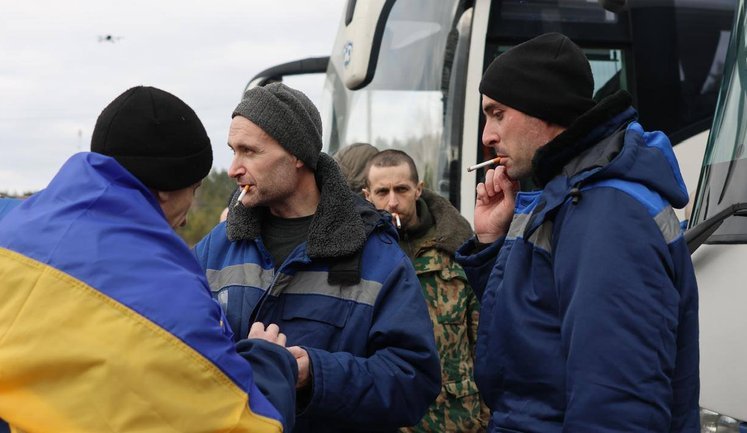
According to the Coordination Headquarters, over 8,000 Ukrainians have been freed from Russian captivity since the beginning of the full-scale conflict. This achievement is attributed to coordinated diplomatic and military efforts aimed at securing their release.
What are the conditions and challenges faced by Ukrainian captives in Russia?
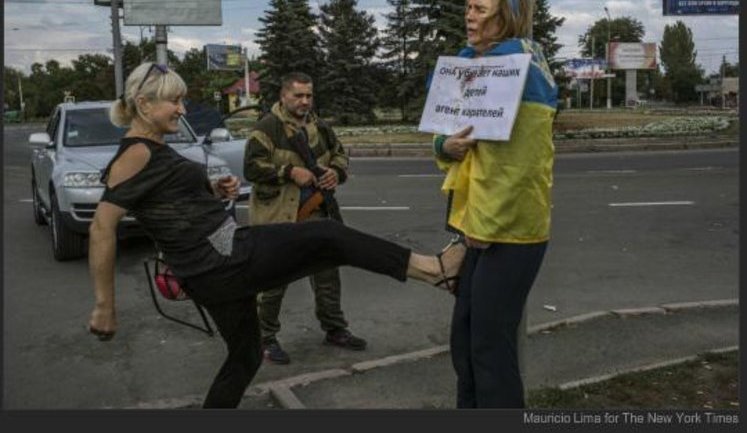
Ukrainian captives face severe conditions, including psychological pressure, physical torture, and inadequate access to medical care. Notable cases reveal instances of self-harm attempts and prolonged solitary confinement, shedding light on the harsh realities of captivity.
What humanitarian efforts are in place for captives affected by the conflict?
Humanitarian efforts for captives focus on diplomatic negotiations, psychological support, and medical assistance. Organizations and governments work together to facilitate exchanges and provide former captives with much-needed care and support upon their release.
How are former prisoners reintegrated into society after their release?
The reintegration process for former prisoners involves psychological counseling, medical treatment, and community support programs. These steps are crucial in helping them adjust to life after captivity and address the trauma experienced during their detainment.