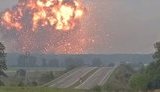
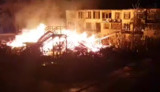
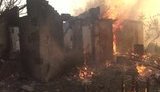
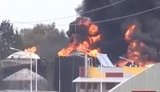
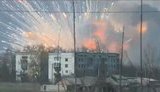
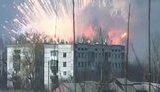
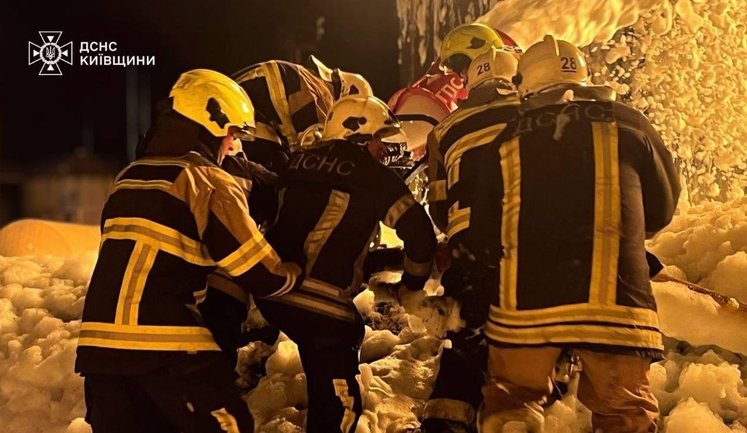
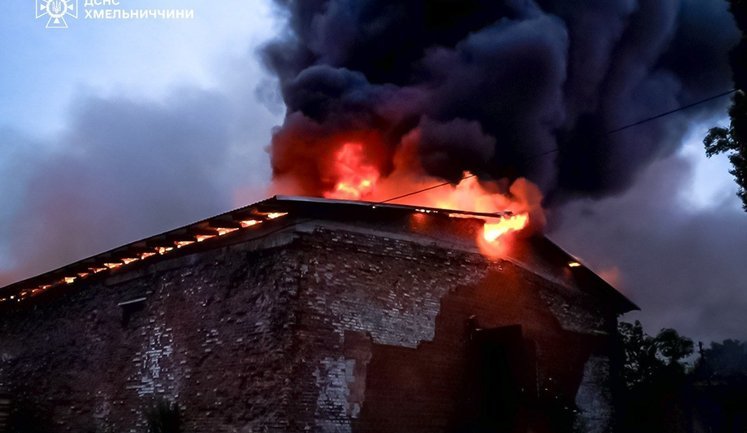
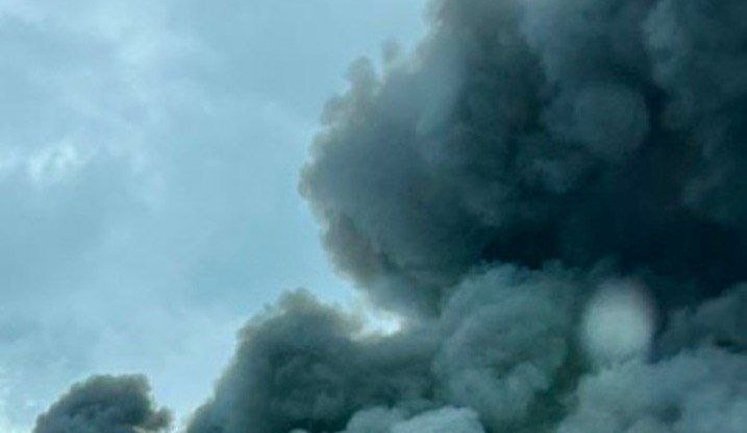
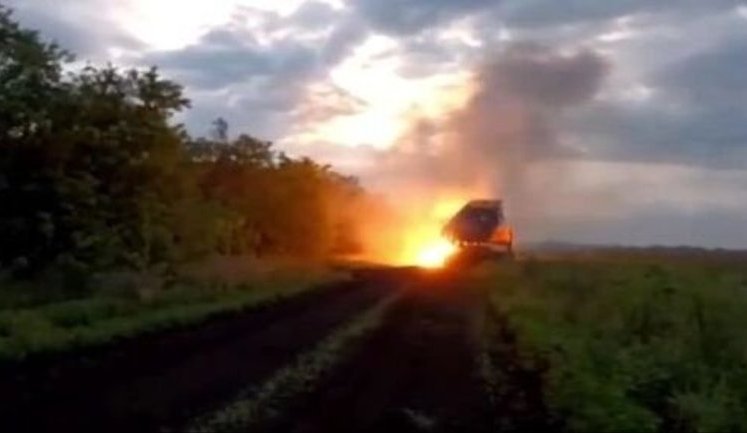
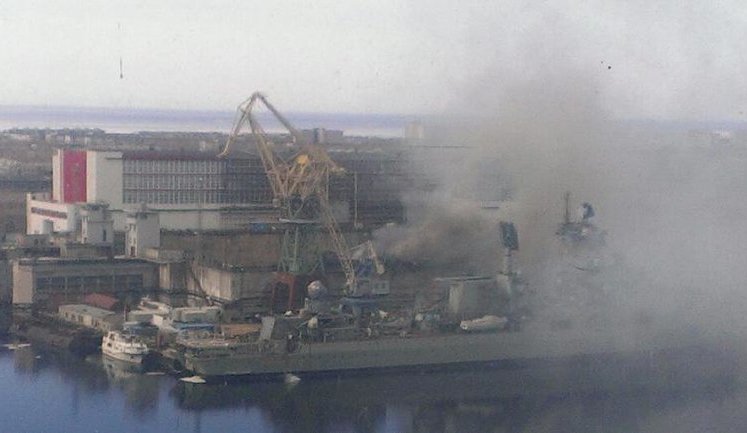
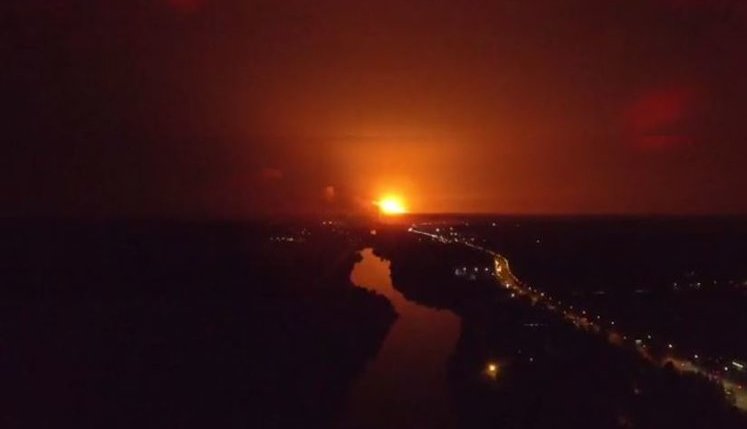
Recent events have heightened concerns about fire outbreaks across Ukraine and Russia. Drone attacks in Dnipro and Chuhuiv resulted in significant fires, impacting infrastructure and natural resources. In Ukraine's Rivne and Chernihiv regions, extensive forest fires, exacerbated by drone crashes, have devastated hectares of woodland. The situation is critical in the Exclusion Zone and near the Russian border, where ongoing blazes are challenging firefighting efforts due to hostile conditions. Furthermore, major fires at Russian oil facilities in the Tuapse and Nizhny Novgorod regions underscore the geopolitical tensions contributing to these hazardous incidents. These events highlight the escalating threat posed by such attacks, impacting both the environment and human safety.
What caused the fires in the Rivne region of Ukraine?
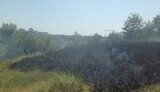
The fires in the Rivne region were the result of a Russian "Shahed" drone crashing in the area. The incident led to a forest fire that destroyed nearly a hectare of woodland. Emergency services have been working tirelessly to control and extinguish the flames to prevent further damage.
How are drone strikes impacting the fire situation in Ukraine?
Drone strikes have significantly exacerbated the fire situation in Ukraine. They have been responsible for causing fires in regions such as Dnipro, Chuhuiv, and the Exclusion Zone, leading to widespread destruction of infrastructure and natural areas. Firefighting efforts are hindered by ongoing military activities, complicating an already challenging situation.
What is the status of the forest fires in the Chernihiv region?
The forest fires in the Chernihiv region have caused extensive damage, burning across thousands of hectares. The situation has prompted considerations of evacuations in affected areas. Local authorities and emergency services are involved in a continuous battle to contain and extinguish these major blazes.
What are the consequences of the fires in the Chornobyl Exclusion Zone?
Fires in the Chornobyl Exclusion Zone have reported increased challenges in managing the situation due to the sensitive nature of the area. Despite the fires, radiation levels remain stable. Efforts are ongoing to prevent the blazes from spreading further, with emergency services working under challenging conditions.
How have Russian oil facilities been affected by recent fires?
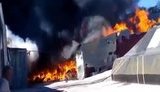
Russian oil facilities, particularly in Tuapse and Nizhny Novgorod, have experienced major fires following drone strikes. These incidents have led to severe infrastructure damage, with significant amounts of smoke stretching across regions. The fires represent a critical risk to both environmental safety and economic stability in these areas.
What measures are being taken to control fires in conflict zones?
In conflict zones, firefighting efforts are heavily reliant on the coordination between emergency services and military operations. In Ukraine, local authorities are employing all available resources, including aerial firefighting and ground crews, to control and extinguish fires amid the conflict, despite facing logistical and security challenges.