Propaganda plays a pivotal role in shaping perceptions within Russia and globally. Recent discussions by Z-bloggers highlight potential changes to Russia’s Victory Day celebrations amid rising missile threats. The Lithuanian army reports intensified Russian information operations, underscoring the need for vigilance. Additionally, the Kremlin faces challenges in spreading its narratives abroad due to restrictions on social media access. Meanwhile, propaganda is heavily employed to reinforce narratives about ongoing conflicts, as seen in the Kremlin's portrayal of Ukraine. This information warfare aims to sway public opinion and fortify domestic support for government policies, illustrating propaganda's powerful impact in contemporary geopolitics.
How is propaganda influencing the Victory Day celebrations in Russia?
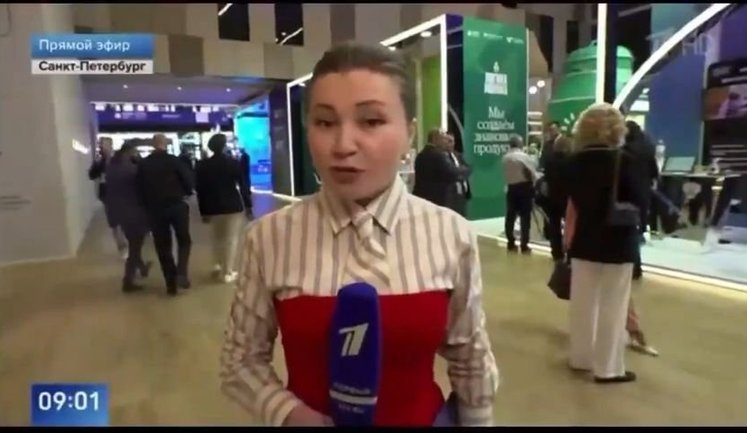
Russian propagandists are discussing significant changes to Victory Day celebrations in Moscow and St Petersburg. Growing missile threats may alter traditional parades or result in cancellations, reflecting increased security concerns and shifting public narratives. This highlights the impact of propaganda on national events and public sentiment.
What has the Lithuanian army reported about Russian information operations?
The Lithuanian army warned of intensified information activity by hostile states, indicating an increase in Russian propaganda efforts. This heightened activity is part of ongoing attempts to disrupt and influence public perception within Lithuania and beyond, using strategic misinformation as a tool of geopolitical influence.
In what ways is Russia struggling to propagate its narratives internationally?
Kremlin spokesman Dmitry Peskov highlighted struggles due to restricted access to social media platforms like Telegram abroad. This limitation hampers Russia's ability to disseminate its narratives effectively, illustrating challenges faced by authoritarian regimes in controlling information flow in open, global networks.
How does propaganda affect social and political stability within Russia?
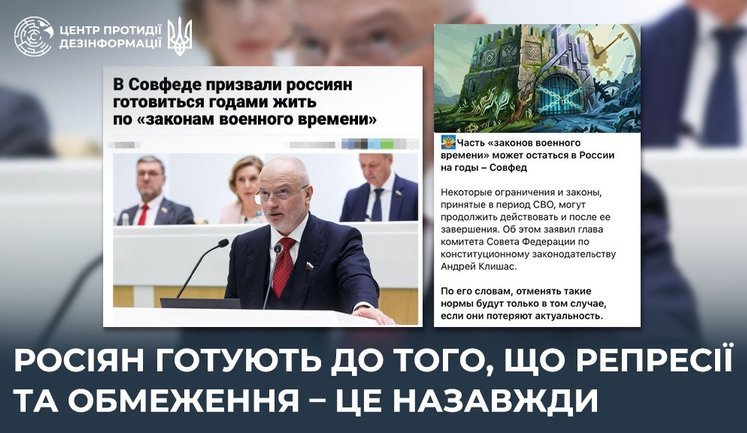
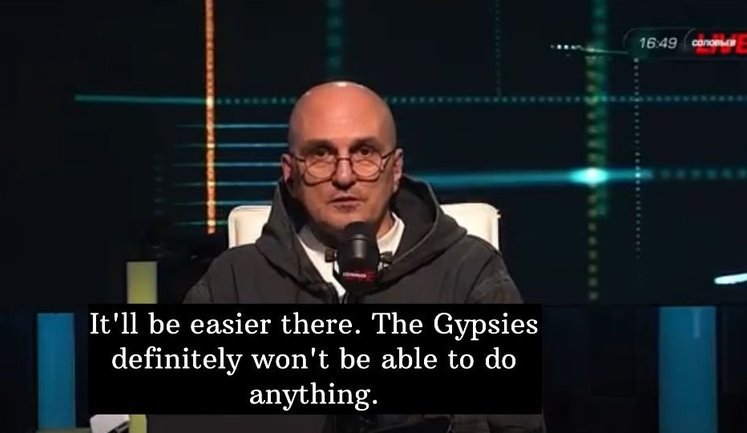
Propaganda reinforces government narratives, cementing public support for policies and normalizing wartime restrictions. By portraying repression and restrictions as permanent, the authorities prepare citizens for ongoing sacrifices, linking national security with loyalty, thus maintaining stability amid tensions.
What role does propaganda play in the militarization of Russian youth?
Propaganda is leveraged to militarize youth within Russia, often framing military involvement as patriotic duty. This involves training programs and media reinforcing nationalist sentiments, ensuring a future generation aligns with state ideologies, thus perpetuating the cycle of militarization and indoctrination.